
Bhutan lake burst puts north Bengal on alert
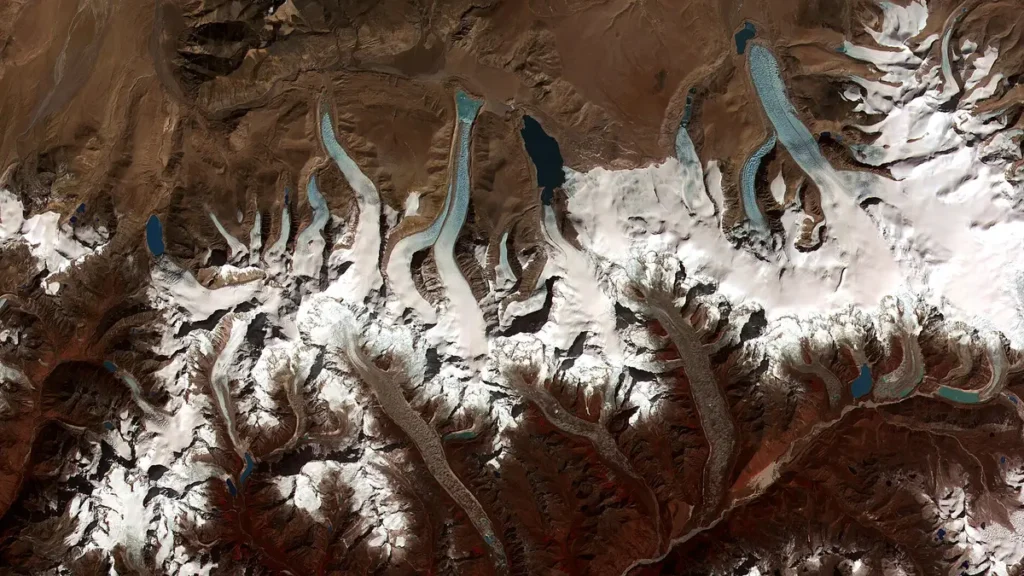
High in the Himalayas, melting glaciers leave behind lakes held back by loose walls of rock and ice. When such a wall breaks, a wall of water rushes downhill. On Thursday, Shintaphu Lake in Bhutan burst, and its water raced down the Sankosh river towards India. Read it to revise glacial lake outburst floods and how India can prepare.
- Lake
- Shintaphu, Gasa district, Bhutan
- River
- Sankosh
- People moved
- Over 4,000 in north Bengal
- Missing
- All 47 found safe
The Bhutan lake burst: what happened?
A glacial lake can sit quietly for decades and then empty in a few hours. That is why a burst in Bhutan put towns in India on alert.
- A glacial lake outburst flood (GLOF) at Shintaphu Lake in Bhutan’s Gasa district sent mud, rocks and debris downstream on Thursday.
- The water rushed down the Sankosh river towards India.
- Parts of the Darjeeling hills and the Dooars in West Bengal were put on high alert.
- Over 4,000 people from 10 places in Kumargram and Tufanganj were shifted to a safe zone.
- Chief Minister Suvendu Adhikari said all 47 people reported missing were safe, and the situation was “completely normal”.
What is a glacial lake outburst flood?
As glaciers melt and shrink, water collects in front of them. These lakes are often held back by moraines, which are loose heaps of rock and soil left by the glacier.
If the moraine wall breaks, because of heavy rain, an earthquake, an avalanche or ice falling into the lake, the water rushes out suddenly. This is a glacial lake outburst flood.
In October 2023, a GLOF at South Lhonak Lake in Sikkim swept down the Teesta river and destroyed the Teesta III dam at Chungthang.
The Sankosh rises in Bhutan, flows along the Assam–West Bengal border and joins the Brahmaputra in Dhubri district, Assam. Rising temperatures are making Himalayan glacial lakes grow.
What can set off a GLOF?
| Trigger | How | Example of risk |
|---|---|---|
| Heavy rain | Raises water and weakens the wall | Monsoon cloudbursts |
| Ice or rock fall | Pushes a wave over the wall | Avalanches into the lake |
| Earthquake | Cracks the moraine | Young, active Himalayas |
Which laws and Articles apply?
- Disaster Management Act, 2005: sets up the National Disaster Management Authority (NDMA), chaired by the Prime Minister.
- NDMA guidelines on managing glacial lake outburst floods (2020).
- National Disaster Response Force: specialised rescue force under the Act.
- India–Bhutan cooperation on hydrology and flood forecasting on shared rivers.
Why does the Bhutan lake burst matter?
| Angle | What to note |
|---|---|
| Climate change | Warming makes glacial lakes grow. |
| Cross-border risk | A burst in Bhutan floods India. |
| Early warning | Hours of warning can save lives. |
| Hydropower | Dams in the hills face GLOF risk. |
What are the problems with the Bhutan lake burst?
- Many glacial lakes are in remote places with no sensors.
- Warnings may reach villages too late.
- Dams and towns are built in GLOF paths.
- Data sharing across borders is not always quick.
What should be done next on the Bhutan lake burst?
- Put sensors and sirens at risky lakes.
- Share real-time river data with Bhutan and Nepal.
- Lower water levels in dangerous lakes by siphoning or cutting channels.
- Keep homes and dams out of high-risk flood paths.
What can Prelims ask on the Bhutan lake burst?
Prelims probability: Expect a question on glacial lake outburst floods: a moraine dam fails suddenly; Sikkim, 2023.
- GLOF: sudden release of water when a moraine or ice dam fails.
- South Lhonak Lake, Sikkim, October 2023: Teesta III dam destroyed.
- Sankosh rises in Bhutan and joins the Brahmaputra in Dhubri, Assam.
- NDMA GLOF guidelines, 2020.
- Disaster Management Act, 2005: NDMA chaired by the Prime Minister.
How to write about the Bhutan lake burst in Mains
Practice question (15 marks, 250 words): Glacial lake outburst floods are an emerging threat in the Himalayas. Discuss the causes and suggest measures to reduce the risk, with reference to recent events.
- Intro: Shintaphu Lake burst; north Bengal alert.
- Causes: glacier melt, weak moraines, triggers.
- Past case: South Lhonak, Sikkim, 2023.
- Measures: sensors, warnings, lake lowering, safe planning, cross-border data.
- Conclusion: prepare before the lake breaks.
Ready lines for your answer
- Warming glaciers leave behind lakes that can burst.
- Hours of warning can save thousands of lives.
Quotable data pointOver 4,000 people from 10 places were moved; all 47 people reported missing were found safe.
Photo: NASA, Public domain, via Wikimedia Commons
Exam angle
Prelims: GLOF, Sankosh, South Lhonak 2023, NDMA. · Mains GS-III: disaster management, climate change.
Practice MCQs
Original practice questions (not PYQs).
A glacial lake outburst flood happens mainly when:
Answer (d) & explanation
Glacial lakes are often held back by loose moraines. When these give way, water rushes down suddenly.
The Sankosh river, which carried the Bhutan flood towards India, finally joins which river?
Answer (a) & explanation
The Sankosh rises in Bhutan, flows along the Assam–West Bengal border and joins the Brahmaputra in Dhubri district, Assam.
Questions students ask about this
What is a glacial lake outburst flood?
A sudden flood when a lake held back by a glacier's moraine or ice breaks and its water rushes downhill.
Where did the latest GLOF happen?
At Shintaphu Lake in Bhutan's Gasa district; the water flowed down the Sankosh river.
How many people were moved in north Bengal?
Over 4,000 people from 10 places in Kumargram and Tufanganj.
Which earlier GLOF hit India badly?
The South Lhonak Lake burst in Sikkim in October 2023, which destroyed the Teesta III dam.