
Your 30 minutes at Dholpur House
You've cleared Prelims and survived Mains. Now it's just you, a chair and a conversation. Let's walk through that day together, so when it comes, it already feels familiar.
💚 Nervous? That's normal. The board expects it, and it isn't what they're marking.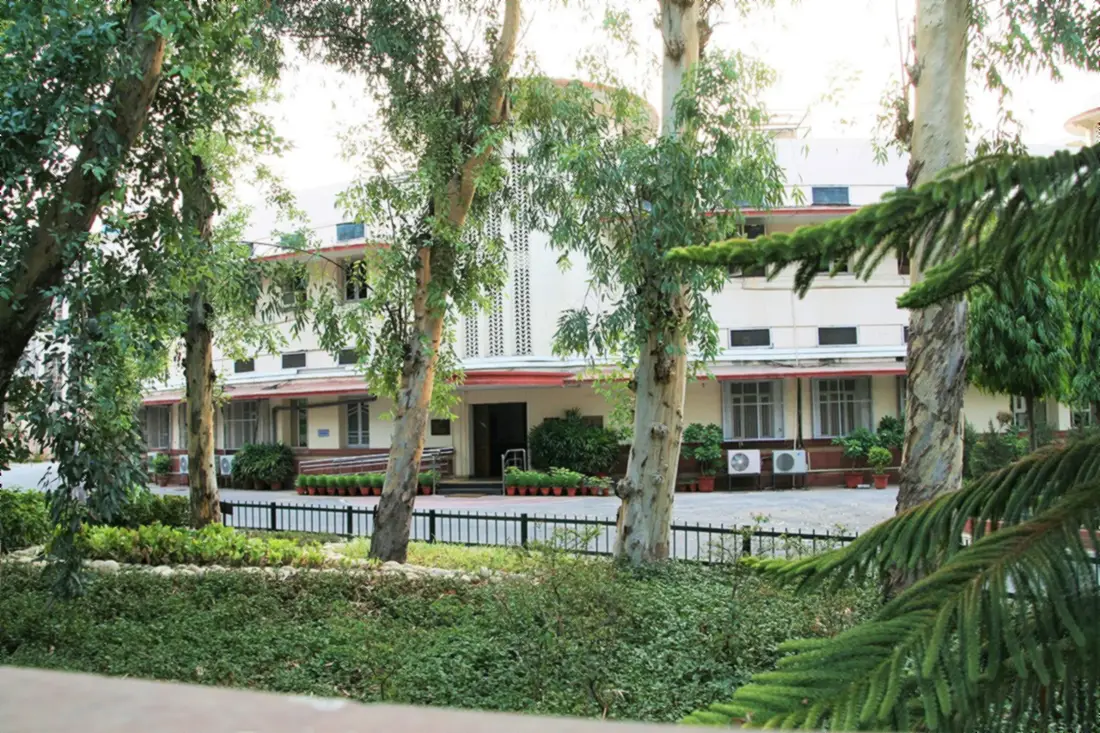
Dholpur House, Shahjahan Road, New Delhi, where UPSC holds its interviews.
The waiting hall
You'll reach early, get your documents checked, then wait. Everyone around you looks calmer than you feel. They aren't.
The bell
When your name is called, breathe out slowly. You're about to discuss the one subject you know best: yourself.
The board room
You'll knock, ask "May I come in?", greet the Chairperson, and sit when asked. Small courtesies, steady pace.
Five people, one conversation
A Chairperson and four members will take turns. Think of it as a conversation, not an interrogation.
Not a viva. A personality test.
UPSC says the aim is to assess your "personal suitability for a career in public service", judged by a board of "competent and unbiased observers".
⚖️ Balance
Can you see both sides of a debate and still take a reasoned stand?
🤝 Honesty
Saying "I don't know" cleanly beats bluffing. The board can tell.
📰 Awareness
Do you notice what is happening in your district, your field and your country?
Sources: UPSC Civil Services Examination Notice (Scheme of Examination, Appendix I); UPPSC Combined State/Upper Subordinate Services notification (Scheme of examination).
Decode a DAF
Your Detailed Application Form is the board's script. Tap any line of this fictional DAF to see what it signals and what you could be asked.
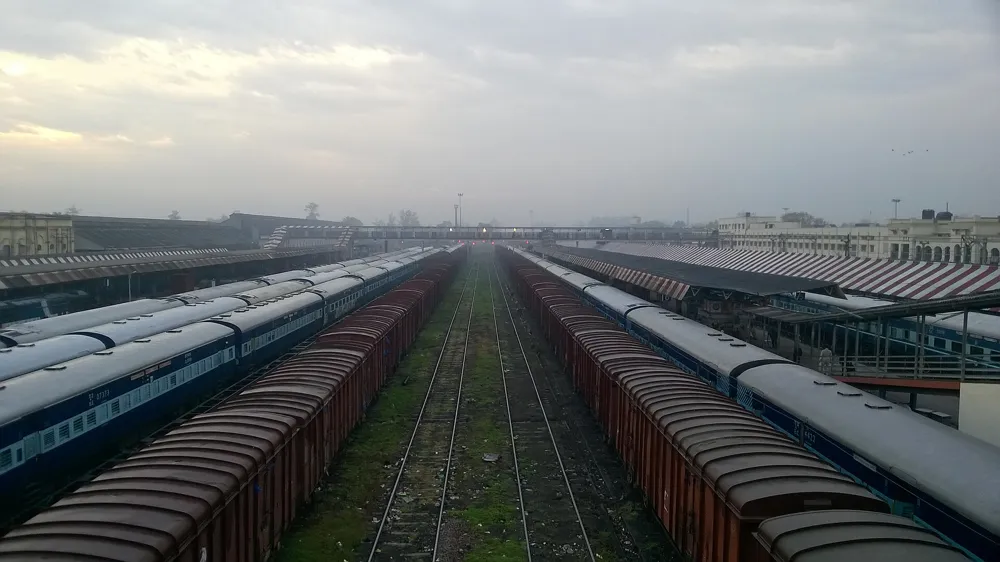 Our sample candidate's home town: Gorakhpur Junction
DETAILED APPLICATION FORM · SAMPLE CANDIDATE (FICTIONAL)
Sit in front of a mock board
Pick a profile. A board member asks. Compare a weak answer with a strong one.
Real interview experiences
These are questions candidates reported after their UPSC interviews (2024–2026), paraphrased. Names are changed and boards are labelled A to F, so you can focus on the patterns, not the personalities.
Four lines they always read
Hover or tap to flip.
Home district
Tap to flip- What is your district famous for?
- Its biggest problem, and one fix you'd try as DM?
- Which central scheme has worked best there?
Hobby
Tap to flip- When did you last do it?
- What has it taught you about people?
- How can government promote it?
Graduation subject
Tap to flip- Explain a basic concept simply.
- Why leave your field for civil services?
- How does your subject help governance?
Job / work experience
Tap to flip- What exactly did you do day to day?
- Biggest problem in your organisation?
- Why quit a secure job?
"You are the DM…"
Use one structure every time: Immediate (safety first) → Stakeholders → Law & rules → Long-term fix.
Flood breaches an embankment at 2 a.m.
See a model approach
"First, lives: I'd activate the district emergency operation centre and evacuation. Then food, water, health camps. Later, an inquiry into the breach and a pre-monsoon embankment audit."
A local MLA asks you to stop a demolition drive
See a model approach
"I'd hear the concern, because it may reveal a genuine gap like no rehabilitation. But if the drive follows the law, I'd continue, record everything, and inform seniors."
Dos, don'ts and "I don't know"
✓ Do
- Formal, simple, well-fitted clothes
- Eye contact with whoever asks; include others
- Pause two seconds before answering
- Re-read your DAF the night before
✕ Don't
- Bluff numbers you aren't sure of
- Argue to win; discuss to understand
- Give extreme or one-sided views
- Memorise speeches
💬 Saying "I don't know"
- "I'm sorry, Sir, I don't recall that right now."
- "I haven't read about it, Ma'am, but I'll look it up today."
- Then stop. Don't guess.
Common fears, honestly answered
You can take the interview in Hindi or another language from the Eighth Schedule if you chose it. Clarity of thought matters, not accent.
Boards do ask. One honest line about what you did and why is enough. Don't apologise or over-explain.
Ask for a moment: "May I take a second to think?" It's allowed, and it looks composed.
Your district is your strength. Boards love candidates who know their ground reality first-hand.
Have a question about your DAF?
Send it to the Battle IAS team on WhatsApp. We're happy to help.