
Hasina seeks new passport; Dhaka firm on extradition
Sheikh Hasina, Bangladesh’s former Prime Minister, fled to India in August 2024 after an uprising; her passport was later revoked. A London law firm has asked Dhaka for a new passport and national identity card. Acting Foreign Minister Humayun Kabir called her a terrorist, refused a passport, and said India should hand her over under the extradition treaty. Read it to revise the 2013 treaty and the India–Bangladesh border.
- Fled to India
- August 2024
- Treaty
- India–Bangladesh extradition treaty, 2013
- Border length
- About 4,096 km with five Indian States
- Dhaka stand
- No passport; seek extradition
UPSC has already asked about this. Read the story with these questions in mind.
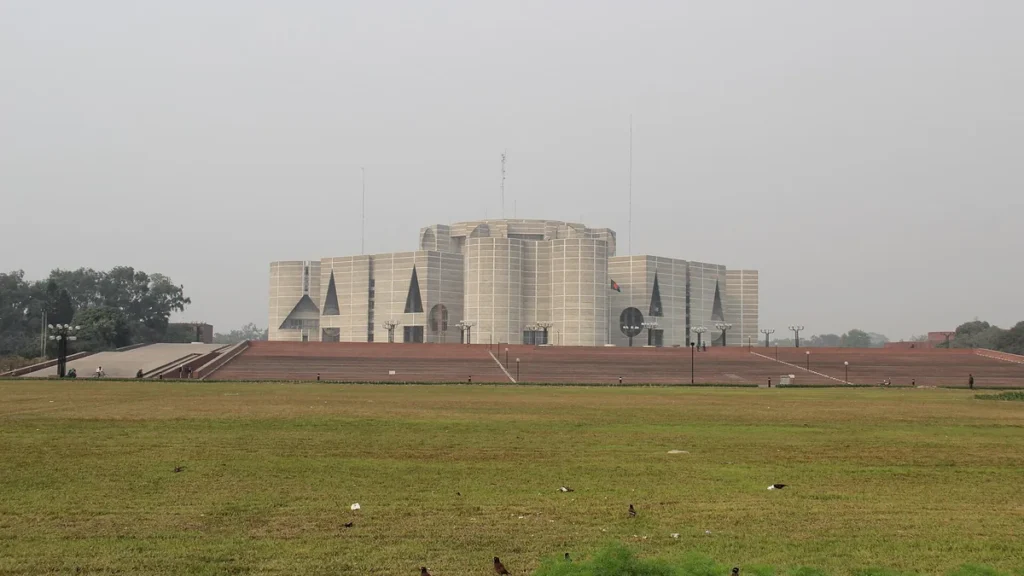
Hasina passport and extradition: what happened?
A cancelled passport in Dhaka has become a diplomatic test for New Delhi.
- Sheikh Hasina fled to India in August 2024 after an uprising toppled her government; her passport was later revoked.
- A London-based law firm, Matrix Chambers, has asked Bangladesh’s Foreign Ministry for a new passport and national identity card; her Awami League party says she applied through the Bangladesh High Commission in New Delhi.
- Acting Foreign Minister Humayun Kabir called her a terrorist, said no passport would be issued, and said India should hand her over under the extradition treaty through an acceptable prisoner exchange.
- Bangladesh’s mission in Delhi said it is not sure if the request is genuine, because the law firm’s email carried no letter of authorisation.
- India has received extradition requests but has not decided; a source said refusing a passport will complicate matters further, as one would be needed if India considered extradition.
What is the extradition backdrop?
India and Bangladesh signed an extradition treaty in 2013.
India shares its longest international land border with Bangladesh — about 4,096 km along West Bengal, Assam, Meghalaya, Tripura and Mizoram.
The Teesta water-sharing dispute and BIMSTEC cooperation remain longer-term issues in the relationship.
BIMSTEC was set up by the Bangkok Declaration of 1997 and now has seven members.
India–Bangladesh basics
| Item | Fact |
|---|---|
| Extradition treaty | 2013 |
| Land border | About 4,096 km |
| Indian border States | WB, Assam, Meghalaya, Tripura, Mizoram |
| BIMSTEC origin | Bangkok Declaration, 1997 |
Which instruments apply?
- India–Bangladesh Extradition Treaty, 2013.
- Domestic criminal and asylum-related procedures in India.
- BIMSTEC as a Bay of Bengal regional grouping.
- Bilateral talks on Teesta and border management.
Why does the Hasina passport row matter?
| Angle | What to note |
|---|---|
| Neighbourhood | Tests India–Bangladesh trust after 2024. |
| Law | Passport, extradition and due process. |
| Borders | Longest land border; five States. |
| Prelims | 2013 treaty, BIMSTEC 1997, Teesta. |
What are the problems with the Hasina passport row?
- Political labels harden diplomacy.
- Extradition needs strong legal grounds and process.
- Passport refusal can create a procedural bind.
- Domestic opinion in both countries is sensitive.
What should be done next on the Hasina passport row?
- Handle any request through due process and treaty rules.
- Keep working channels on border and trade open.
- Separate humanitarian and legal tracks carefully.
- Use BIMSTEC for broader regional confidence.
What can Prelims ask on the Hasina passport row?
Prelims probability: Medium. Trend: the Teesta (2017) and the Bay of Bengal grouping (2025). Freshness: passport request and extradition demand. Static link: 2013 extradition treaty. Testable fact: about 4,096 km border with five Indian States.
- Hasina fled August 2024; passport revoked.
- Extradition treaty: 2013.
- Border about 4,096 km with five States.
- BIMSTEC: Bangkok Declaration 1997.
- Teesta remains a water-sharing issue.
How to write about the Hasina passport row in Mains
Practice question (15 marks, 250 words): Extradition requests between neighbours test both law and diplomacy. Discuss with reference to India–Bangladesh relations.
- Intro: passport request and extradition demand.
- 2013 treaty basics.
- Border and Teesta context.
- Due process constraints.
- Conclusion: law with neighbourhood care.
Ready lines for your answer
- A passport can be paperwork; extradition is politics under law.
- The longest border needs the calmest process.
Quotable data pointFled Aug 2024; treaty 2013; border ~4,096 km; BIMSTEC 1997.
Photo: Gary Todd, CC0, via Wikimedia Commons
Exam angle
Prelims: extradition treaty 2013, BIMSTEC, border States. · Mains GS-II: neighbourhood.
Practice MCQs
Original practice questions (not PYQs).
Consider the following statements:
1. India shares its longest international land border with Bangladesh.
2. Mizoram shares a border with Bangladesh.
3. The Teesta river joins the Brahmaputra in Bangladesh.
How many of the above statements are correct?
Answer (c) & explanation
All three are correct. The border is about 4,096 km, along West Bengal, Assam, Meghalaya, Tripura and Mizoram.
The Bay of Bengal Initiative for Multi-Sectoral Technical and Economic Cooperation came into existence through the:
Answer (d) & explanation
It was set up by the Bangkok Declaration of 1997 and now has seven members.
Questions students ask about this
When did Sheikh Hasina flee to India?
In August 2024.
When was the extradition treaty signed?
In 2013.
How long is the India–Bangladesh land border?
About 4,096 km.
Which Indian States border Bangladesh?
West Bengal, Assam, Meghalaya, Tripura and Mizoram.
How was BIMSTEC created?
By the Bangkok Declaration of 1997.