
India’s Ramsar sites reach 103: first in Asia, third in the world
India now has 103 wetlands of international importance under the Ramsar Convention, up from 26 in 2014 and covering over 13.87 lakh hectares in 28 States and Union Territories. That puts India first in Asia and third in the world. For you, this connects the 1971 Convention, the Montreux Record and the Wetlands Rules, 2017.
- Ramsar sites
- 103 (26 in 2014)
- Area
- Over 13.87 lakh hectares
- Spread
- 28 States and Union Territories
- Rank
- First in Asia, third in the world
- Latest additions
- Sukhna Wetland (Chandigarh), Sauj Jheel (Mainpuri, U.P.)
- India joined
- 1 February 1982
UPSC has already asked about this. Read the story with these questions in mind.
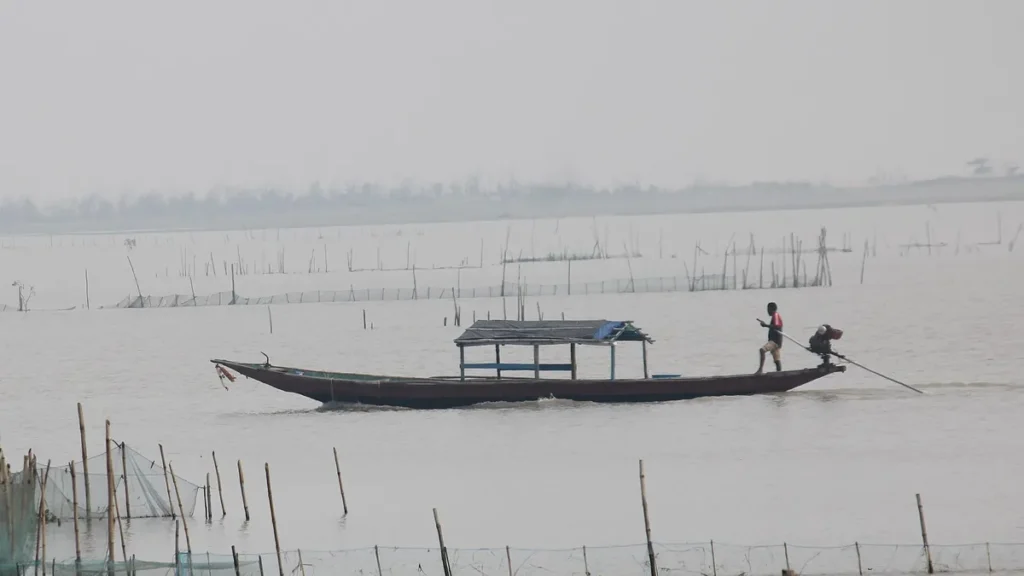
India’s Ramsar network: what happened?
A Ramsar tag does not make a wetland a protected area by law, but it commits the country to wise use of the site and brings it under international reporting. India has added sites faster in the last decade than in the three decades before.
- India’s count of Ramsar sites has risen to 103, up from 26 in 2014.
- The network covers more than 13.87 lakh hectares across 28 States and Union Territories.
- India is now first in Asia and third in the world by number of Ramsar sites.
- The 103 mark was reached on October 15, 2026 with Sukhna Wetland in Chandigarh and Sauj Jheel in Mainpuri, Uttar Pradesh, the Environment Ministry announced.
What is the Ramsar Convention?
- Intergovernmental treaty for conservation and wise use of wetlands; adopted 2 February 1971 at Ramsar, Iran; in force 1975.
- 172 Contracting Parties; over 2,536 sites worldwide.
- World Wetlands Day: 2 February.
- It is not a UN treaty; the Secretariat is separate, though it works with UNESCO as depositary.
How is a site selected?
- Nine criteria in all.
- A site qualifies if it regularly supports 20,000 or more waterbirds.
- Or if it regularly supports 1% of the individuals in a population of one species or subspecies of waterbird.
- Other criteria cover rare wetland types, threatened species and fish.
How does India protect wetlands at home?
- Wetlands (Conservation and Management) Rules, 2017 under the Environment (Protection) Act, 1986: State Wetland Authorities, ban on encroachment and waste dumping.
- National Plan for Conservation of Aquatic Ecosystems (NPCA): central support for lakes and wetlands.
- Amrit Dharohar and MISHTI (mangroves, 2023) and Mission Sahbhagita for community action.
Key records for Prelims
| Item | Fact |
|---|---|
| First Indian sites | Chilika Lake (Odisha), Keoladeo National Park (Rajasthan) |
| On the Montreux Record now | Keoladeo National Park, Loktak Lake (Manipur) |
| Removed from Montreux Record | Chilika Lake, 2002 |
| State with most sites | Tamil Nadu (20) |
| Uttar Pradesh | 14 sites |
State counts as of October 2026.
Why does India’s Ramsar network matter?
| Angle | What to note |
|---|---|
| Climate | Wetlands are carbon sinks and flood buffers. |
| Water security | They recharge aquifers and feed rivers. |
| Livelihoods | Fisheries, grazing and tourism. |
| Diplomacy | A higher rank shows India’s environmental commitment. |
What are the challenges in India’s Ramsar network?
- Designation is not protection: encroachment, sewage and siltation continue.
- Several sites lack notified boundaries and management plans.
- Two Indian sites remain on the Montreux Record.
What should be done next on India’s Ramsar network?
- Notify all sites under the 2017 Rules with clear boundaries.
- Fund management plans and hydrological monitoring.
- Involve local communities as stewards, as Mission Sahbhagita intends.
What can Prelims ask on India’s Ramsar network?
- Ramsar Convention: 1971, Iran; in force 1975; India joined 1982.
- India: 103 sites, first in Asia, third in world.
- Montreux Record: Keoladeo and Loktak; Chilika removed 2002.
- Criteria: 20,000 waterbirds or 1% of a population.
- Wetlands Rules: 2017, under EPA 1986.
How to write about India’s Ramsar network in Mains
Practice question (10 marks, 150 words): Adding wetlands to the Ramsar list is easier than protecting them. Examine the gaps in wetland conservation in India and suggest measures.
- Intro: 103 sites, up from 26 in 2014.
- Value of wetlands: carbon, water, floods, livelihoods.
- Gaps: encroachment, pollution, weak notification, Montreux listings.
- Measures: 2017 Rules, NPCA, community stewardship, monitoring.
- Conclusion: count is a start, health is the test.
Ready lines for your answer
- India's Ramsar network has grown from 26 sites in 2014 to 103, covering over 13.87 lakh hectares; India is first in Asia and third in the world.
- Designation must be matched by notification under the Wetlands (Conservation and Management) Rules, 2017 and site-level management plans.
Quotable data point103 Ramsar sites over 13.87 lakh hectares in 28 States and Union Territories.
Exam angle
Prelims: Ramsar Convention, criteria, Montreux Record, India's sites and rank. · Mains GS-III: conservation and wetland management.
Practice MCQs
Original practice questions (not PYQs).
Consider the following statements about the Ramsar Convention:
1. It was adopted at Ramsar, Iran in 1971 and came into force in 1975.
2. India became a party to it in 1982.
3. India has the largest number of Ramsar sites in the world.
Which of the statements given above are correct?
Answer (a) & explanation
India is first in Asia but third in the world.
Which of the following Indian wetlands are currently on the Montreux Record?
Answer (b) & explanation
Chilika was removed from the Montreux Record in 2002.
Sauj Jheel, recently designated a Ramsar site, is located in which district of Uttar Pradesh?
Answer (a) & explanation
Sauj Jheel (Mainpuri) and Sukhna Wetland (Chandigarh) took India to 103 sites on 15 October 2026.
Questions students ask about this
How many Ramsar sites does India have?
103, covering over 13.87 lakh hectares in 28 States and Union Territories.
What was the count in 2014?
26.
What is the Montreux Record?
A register of Ramsar sites where ecological change has occurred or is likely due to human interference.
When did India join the Convention?
On 1 February 1982.