
Nobel winner backs genetically modified crops
Richard J. Roberts, who won the Nobel Prize in Medicine in 1993, told a science conclave in Delhi that India should grow genetically modified (GM) crops and make them in its own labs. He called fears about depending on foreign seed companies “nonsense”. Read it to understand GM and gene-edited crops, how CRISPR works and India’s rules on them.
- Speaker
- Richard J. Roberts, Nobel Prize in Medicine, 1993
- His term
- ‘Biotechnologically modified’
- Tool
- CRISPR-Cas9 gene editing
- India’s only approved GM crop
- Bt cotton (2002)
GM crops: what happened?
Humans have changed crops for thousands of years by picking the best seeds. GM technology does the same job faster, in a laboratory. Whether India should use it is one of its longest science debates.
- At the science conclave in Delhi, Nobel winner Richard J. Roberts backed GM crops for India.
- He called the fear of depending on foreign seed companies “nonsense”, and said Indian labs can make and own such crops.
- He said the term ‘genetically modified’ is “very misleading” and suggested ‘biotechnologically modified’ instead.
- His reason: “every life form on this planet has been genetically modified by evolution.”
- He said anyone can learn to make CRISPR-modified plants in six to eight weeks.
- In India, GM crops are still a divided debate.
What are GM and gene-edited crops?
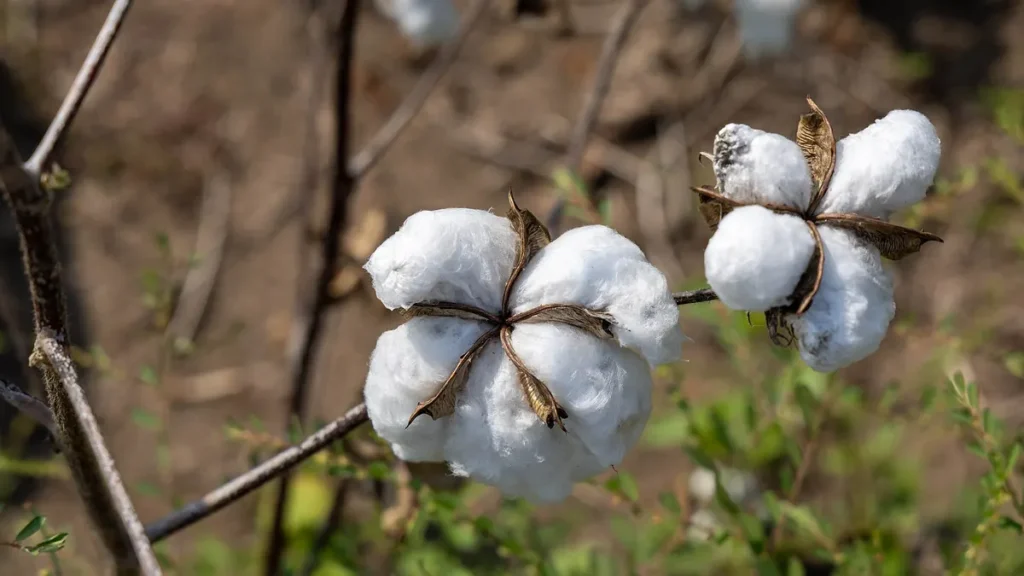
A GM crop has a gene added from another living thing. For example, Bt cotton carries a gene from a soil bacterium, Bacillus thuringiensis, which makes the plant toxic to bollworm pests.
Gene editing is different. It makes small changes in a plant’s own DNA, often without adding any foreign gene. The main tool is CRISPR-Cas9: a guide RNA leads the Cas9 enzyme to an exact spot in the DNA, where it cuts like molecular scissors.
In India, Bt cotton was approved in 2002 and is the only GM crop grown commercially. GM mustard (Dhara Mustard Hybrid-11), developed at Delhi University, got approval for environmental release in 2022, but the matter is still before the Supreme Court.
In 2022, India exempted some gene-edited plants without foreign DNA (called SDN-1 and SDN-2) from strict GM rules. In 2025, India released its first two genome-edited rice varieties.
GM versus gene-edited crops
| Point | GM crop | Gene-edited crop (SDN-1, SDN-2) |
|---|---|---|
| Foreign gene? | Yes, added from another organism | No foreign DNA |
| Example in India | Bt cotton, GM mustard | Genome-edited rice varieties (2025) |
| Approval | GEAC under strict rules | Exempt from GM rules since 2022 |
Which laws and Articles apply?
- Environment (Protection) Act, 1986 and the Rules of 1989 govern GM organisms.
- Genetic Engineering Appraisal Committee (GEAC), under the Ministry of Environment, Forest and Climate Change, approves GM crops for release.
- Cartagena Protocol on Biosafety: India is a party.
- Seeds Act, 1966 and the Protection of Plant Varieties and Farmers’ Rights Act, 2001 cover seeds and farmers’ rights.
Why does GM crops matter?
| Angle | What to note |
|---|---|
| Food security | Crops that resist pests, drought or heat can protect yields. |
| Climate change | Hardier crops help farmers face heat and erratic rain. |
| Self-reliance | Indian labs making their own seeds reduces dependence on foreign firms. |
| Safety | Effects on health, soil and other plants must be tested well. |
What are the problems with GM crops?
- Safety fears: critics worry about long-term effects on health and biodiversity.
- Pest resistance: pink bollworm later became resistant to Bt cotton.
- Seed control: farmers fear high seed prices and control by big companies.
- Trust: approvals have been slow and court cases unresolved for years.
What should be done next on GM crops?
- Keep strong, open, science-based testing for every new crop.
- Fund public labs and universities to make affordable seeds.
- Label and track GM produce clearly, and share data openly.
- Talk to farmers and consumers before release to build trust.
What can Prelims ask on GM crops?
Prelims probability: Expect a question on CRISPR-Cas9: Cas9 cuts DNA at a spot chosen by a guide RNA; and Bt cotton is India’s only approved genetically modified crop.
- Cas9 = enzyme that cuts DNA; a guide RNA takes it to the chosen spot.
- Bt cotton: approved 2002; India’s only commercially grown GM crop.
- GEAC works under the Ministry of Environment, Forest and Climate Change (not Agriculture).
- GM mustard DMH-11: developed at Delhi University.
- Richard J. Roberts: Nobel Prize in Physiology or Medicine, 1993, for split genes.
How to write about GM crops in Mains
Practice question (15 marks, 250 words): Genetically modified crops can help India meet the challenges of food security and climate change, but they remain a divided debate. Discuss the benefits and concerns, and suggest a balanced way forward.
- Intro: Nobel laureate’s support at the Delhi conclave; Bt cotton the only approved crop.
- Benefits: higher yields, pest and drought resistance, less pesticide, self-reliance.
- Concerns: safety, biodiversity, pest resistance, seed monopoly, trust.
- Way forward: strong GEAC testing, public sector seeds, gene editing rules, farmer consultation.
- Conclusion: decide by evidence, not fear or hype.
Ready lines for your answer
- “Every life form on this planet has been genetically modified by evolution” (Richard J. Roberts).
- India should decide on GM crops by evidence and strong testing, not fear or hype.
Quotable data pointBt cotton, approved in 2002, is still the only GM crop grown commercially in India.
Exam angle
Prelims: CRISPR-Cas9, Bt cotton, GEAC, GM mustard. · Mains GS-III: biotechnology in agriculture, food security.
Practice MCQs
Original practice questions (not PYQs).
In gene editing, what is Cas9?
Answer (a) & explanation
Cas9 is an enzyme that works like molecular scissors. A guide RNA takes it to the exact spot in the DNA, where it cuts.
Consider the following statements:
1. Bt cotton was approved for commercial use in India in 2002.
2. The Genetic Engineering Appraisal Committee works under the Ministry of Agriculture.
3. Genetically modified mustard (Dhara Mustard Hybrid-11) was developed at Delhi University.
How many of the above statements are correct?
Answer (b) & explanation
Statements 1 and 3 are correct. The Genetic Engineering Appraisal Committee works under the Ministry of Environment, Forest and Climate Change.
Questions students ask about this
Who is Richard J. Roberts?
A scientist who won the Nobel Prize in Physiology or Medicine in 1993. He backed GM crops for India at a Delhi conclave.
What is CRISPR-Cas9?
A gene-editing tool. A guide RNA takes the Cas9 enzyme to a chosen spot in DNA, where it cuts.
Which GM crop is grown commercially in India?
Only Bt cotton, approved in 2002.
Who approves GM crops in India?
The Genetic Engineering Appraisal Committee, under the Ministry of Environment, Forest and Climate Change.