
Globalisation and Indian Society: Meaning, the 1991 Reforms, Economic, Social and Cultural Effects (UPSC Notes)
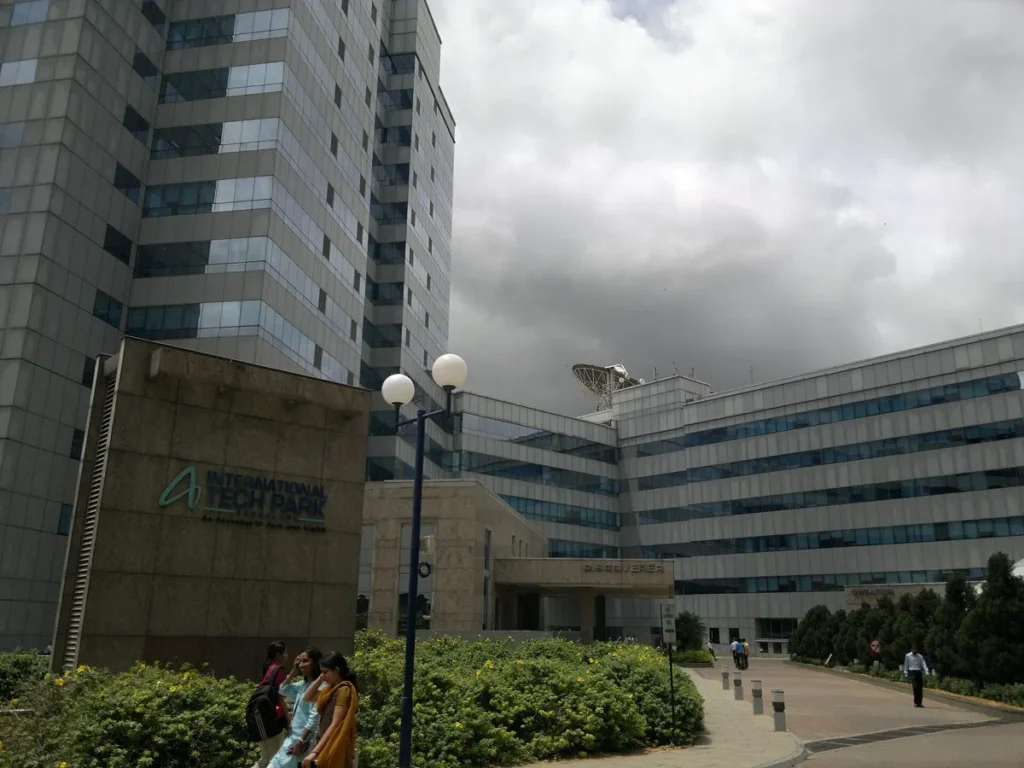
Drivers
Cheaper transport (the shipping container), the internet and mobile phones, multinational supply chains, the WTO’s lower tariffs, and capital that moves at a click. Globalisation is old (the Silk Road, colonial trade), but the speed since the 1990s is new.
India’s 1991 turn
In mid-1991 India had foreign exchange for barely two weeks of imports and pledged gold abroad. The reforms ended most industrial licensing, cut tariffs from peak rates above 150%, devalued the rupee, opened sectors to FDI, and began disinvestment. GDP growth averaged around 6-7% for the next two decades; poverty fell sharply.
Effects on Indian society
| Area | Gains | Costs |
|---|---|---|
| Economy and jobs | IT-BPM services, FDI, consumer choice | Jobless growth phases, informal work, competition for MSMEs |
| Women | Jobs in services and garments, mobility | Low-paid, insecure work; female labour force participation fell till 2017-18 |
| Agriculture | Export markets for rice, spices | Price volatility; cotton farmer distress |
| Culture | Global exposure, Indian soft power (yoga, cinema, diaspora) | Consumerism, homogenisation, erosion of local languages and crafts |
| Family and cities | Nuclear families, migration for jobs | Care burden on the elderly, urban slums |
Glocalisation and deglobalisation
McDonald’s McAloo Tikki is the textbook example of global brands adapting locally. Since 2008, and more after COVID-19 and the US-China trade war, countries have turned to “friend-shoring”, tariffs and self-reliance. India’s Aatmanirbhar Bharat and PLI schemes, alongside new FTAs with the UAE, Australia and the UK, show the balancing act.
Globalisation: UPSC angle
For UPSC CSE
Mains GS-I: effects of globalisation on Indian society, women, culture. GS-III: reforms, trade, jobs. Essays often use the theme.
Globalisation UPSC PYQs (Prelims)
Questions UPSC has actually asked, from the official papers. Pick an option to check yourself.
No Prelims question in the Battle IAS bank is directly on this topic yet.
Mains PYQs on this topic
Questions from the official UPSC Mains papers (2023-2026 in the Battle IAS Mains bank), newest first. Each links to a model answer.
- UPSC Mains 2026 · GS Paper I · Q20 · 15 marks
Evaluate the impact of globalization on Indian youths with reference to social, political, economic and cultural spheres.
- UPSC Mains 2025 · GS Paper I · Q10 · 10 marks
Do you think that globalization results in only an aggressive consumer culture ? Justify your answer.
- UPSC Mains 2024 · GS Paper I · Q19 · 15 marks
Globalization has increased urban migration by skilled, young, unmarried women from various classes. How has this trend impacted upon their personal freedom and relationship with family?
Quick quiz
The 1991 reforms in India were triggered by
Foreign exchange reserves fell sharply.Answer (b)
“Glocalisation” means
For example, menu changes.Answer (b)
LPG stands for
1991.Answer (a)
FAQs
Is globalisation only economic?
No. It covers culture, technology, migration, ideas and governance too.
How did globalisation affect Indian women?
It opened jobs in services and manufacturing but much of the work is low paid and insecure.
What is deglobalisation?
A slowdown or reversal of integration, through tariffs, reshoring and supply-chain diversification.
What did India pledge in 1991?
Gold reserves, to raise emergency loans.
Spotted an error? Tell us. We correct within 48 hours.
Image: Rameshng, Wikimedia Commons, CC BY-SA 3.0
How to use this in Mains
If asked: UPSC Mains 2026, GS-I: Evaluate the impact of globalization on Indian youths with reference to social, political, economic and cultural spheres.
Quote: “McDonald’s McAloo Tikki is the textbook example of global brands adapting locally.”
Use it: A neat example of glocalisation to use in the cultural section.
In the news
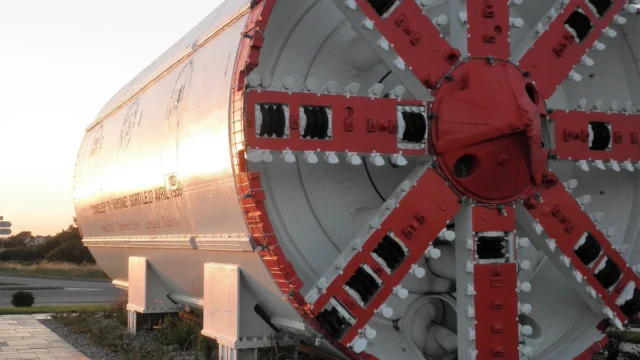
China to impose export controls on tunnel boring machines from 18 November: what it means for India
On 19 October 2026 China’s Commerce Ministry announced export controls on tunnel boring machines (TBMs) and related items from 18 November, calling them clearly dual-use. India imports TBMs for metro, rail and border tunnels and has faced customs delays on Chinese machines since 2024. China also announced controls on some drones.
19 Oct 2026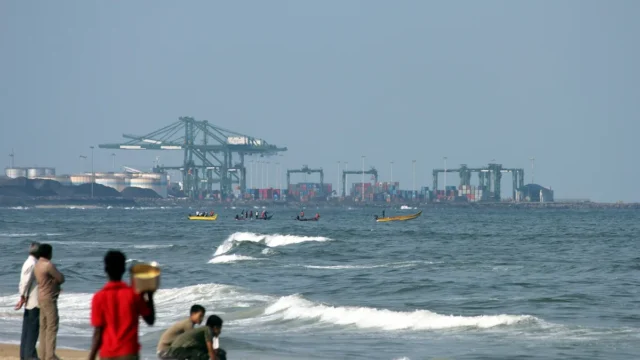
September 2026 trade data: merchandise exports up 23% to US$ 44.40 billion
India's merchandise exports rose 23.04% to US$ 44.40 billion in September 2026, data released by the Commerce Ministry on 15 October show. Imports were US$ 74.61 billion, leaving a goods trade deficit of US$ 30.21 billion. Counting services, exports reached about US$ 80.75 billion and the combined deficit was US$ 13.30 billion.
15 Oct 2026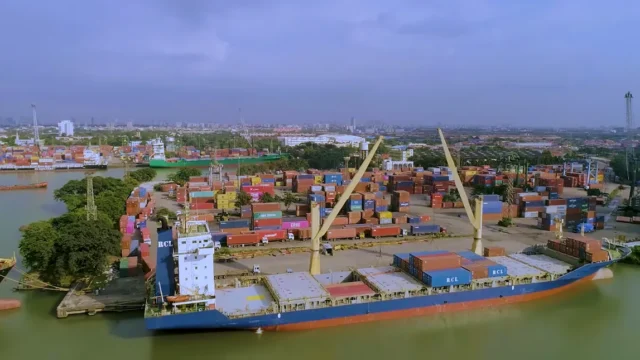
India-UK JETCO: first review of the trade deal (CETA) since it came into force
The 16th India-UK Joint Economic and Trade Committee (JETCO) met in New Delhi on 12 October 2026. It was the first JETCO since CETA talks began in January 2022. Both sides reviewed early trade under CETA, agreed to share data every year on its use, and fixed the 17th JETCO for the UK in 2027.
12 Oct 2026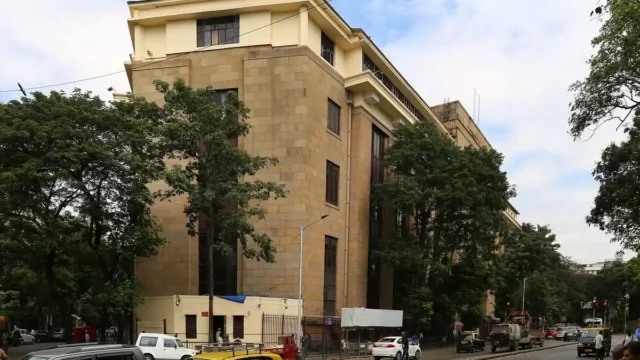
RBI tightens forex derivative rules and opens a dollar window for oil companies
On 10 October 2026 RBI issued two circulars to curb speculation in the rupee: cancelled INR forex derivatives cannot be rebooked, the no-proof hedging limit falls from USD 100 million to USD 5 million, and banks must keep a 20% cash reserve on large dollar-buying hedges. RBI also opened a dollar window for three public sector oil companies.
10 Oct 2026