
Chapter 19 · Topic 19.3 · Prelims + Mains3 of 3
Contemporary World: Chapter test
Key points
- Global terror: al-Qaeda (9/11, 2001), ISIS (2014–19); India pushes the UN Comprehensive Convention proposed in 1996.
- Climate talks moved from the UNFCCC (1992) and Kyoto (1997) to the Paris Agreement (2015); India targets net zero by 2070.
- A multipolar world: BRICS, SCO, G20, Quad; India practises strategic autonomy.
1 PYQ 2016–2025
Prelims box: facts and traps
- Paris Agreement: Prelims 2016, answer (b) 2 only.
- International Solar Alliance: 2015, with France.
- UNSC Resolution 1373: 2001.
On this page (3 sections)
Global terrorism
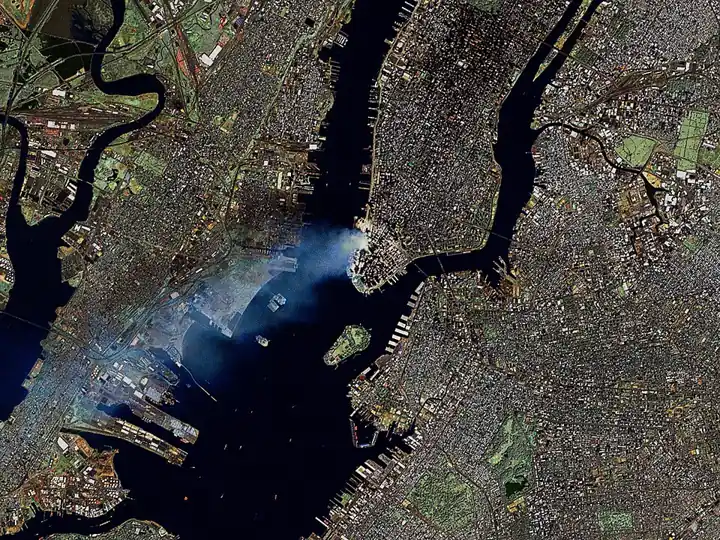
| Point | Detail |
|---|---|
| Al-Qaeda | 9/11 attacks (2001); bin Laden killed (2011) |
| ISIS | Self-declared caliphate in Iraq and Syria (2014–19) |
| Cross-border terrorism | Mumbai attacks (2008), Pulwama (2019); India’s push for a UN Comprehensive Convention (proposed 1996) |
| Responses | UN Security Council Resolution 1373 (2001); FATF on terror financing |
FATF is a global watchdog on money that funds terror.
Climate change diplomacy
| Step | Detail |
|---|---|
| UNFCCC (1992) | Rio Earth Summit; principle of common but differentiated responsibilities |
| Kyoto Protocol (1997) | Binding targets for developed countries only |
| Paris Agreement (2015) | Nationally determined contributions from all; well below 2°C, pursuing 1.5°C |
| India | International Solar Alliance (2015, with France); net zero by 2070 (announced at COP26, 2021) |
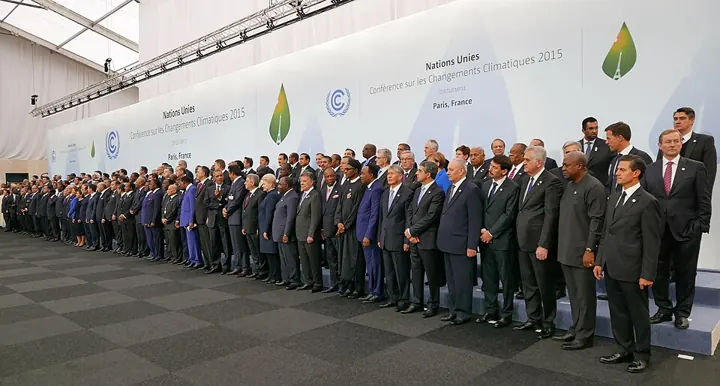
“Common but differentiated responsibilities”: all act, but rich countries, which polluted first, do more. Net zero means removing as much carbon as you emit.
Prelims 2016: not every UN member signed for 2017, and the goal was $100 billion, not $1000 billion. Only the 2°C/1.5°C aim was right: 2 only (b).
With reference to the Agreement at the UNFCCC Meeting in Paris in 2015, which of the following statements is/are correct? 1. The Agreement was signed by all the member countries of the UN and it will go into effect in 2017. 2. The Agreement aims to limit the greenhouse gas emissions so that the rise in average global temperature by the end of this century does not exceed 2°C or even 1.5°C above pre-industrial levels. 3. Developed countries acknowledged their historical responsibility in global warming and committed to donate $ 1000 billion a year from 2020 to help developing countries to cope with climate change. Select the correct answer using the code given below.
- 1 and 3 only
- 2 only
- 2 and 3 only
- 1, 2 and 3
Show answer
Answer: (b) · UPSC official key
Towards a multipolar world
| Trend | Detail |
|---|---|
| New groupings | BRICS (2009; expanded from 2024), SCO (India joined 2017), G20 |
| Indo-Pacific | Quad: India, US, Japan, Australia |
| Global South | India’s G20 presidency (2023): African Union made a permanent member |
| Strategic autonomy | India keeps ties with the US, Russia and others at once |
| Contests | US–China rivalry, Russia–Ukraine war, West Asia conflicts |
Multipolar means many power centres, like a class with several strong groups, not one bully.
Mains box: analysis and answer points
- Climate justice: common but differentiated responsibilities.
- Strategic autonomy: BRICS and Quad together.
Practice
Mains PYQs on this topic (1)
Write an answer
In 150 words, explain the significance of Contemporary World with one recent example.
Flashcards (10)
9/11?
11 September 2001.
Terror-financing watchdog?
FATF.
India's proposed UN terror convention?
CCIT (1996).
UNSC anti-terror resolution of 2001?
Resolution 1373.
Kyoto Protocol?
1997.
Paris temperature goal?
Well below 2°C, aiming for 1.5°C.
India's net-zero year?
2070.
India joined SCO?
2017.
Quad members?
India, US, Japan, Australia.
G20 member added in 2023?
African Union.
Read more: related explainers
 Next chapter · 20. Renaissance →Renaissance: Causes, humanism and figures
Syllabus: GS-I · History of the world will include events from 18th century such as industrial re…