
Chapter 13 · Topic 13.2 · Prelims + Mains2 of 3
Decolonisation: Suez and borders
Key points
- Suez.
- Borders.
Prelims box: facts and traps
| Step | Detail |
|---|---|
| Mandates end | Lebanon, Syria (1946), Jordan (1946), Israel (1948) |
| Egypt | Free Officers' revolution (1952); Nasser |
| Nationalisation | Nasser nationalised the Suez Canal Company (26 July 1956) after the US and UK withdrew Aswan Dam funding |
| Invasion | Israel, Britain and France attacked (October–November 1956) |
| Retreat | US financial pressure and Soviet threats forced withdrawal; UN Emergency Force (with Indian troops) |
| Result | Eden resigned; Britain's world-power image ended; Nasser a hero of Arab nationalism. |
The Middle East and the Suez Crisis
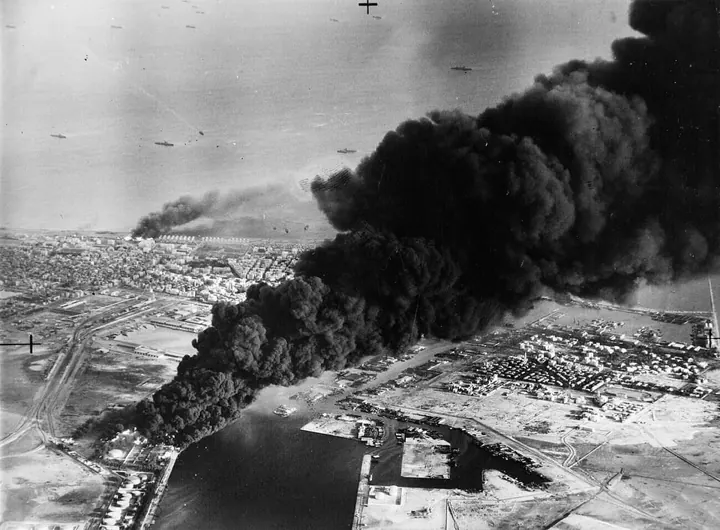
| Step | Detail |
|---|---|
| Mandates end | Lebanon, Syria (1946), Jordan (1946), Israel (1948) |
| Egypt | Free Officers’ revolution (1952); Nasser |
| Nationalisation | Nasser nationalised the Suez Canal Company (26 July 1956) after the US and UK withdrew Aswan Dam funding |
| Invasion | Israel, Britain and France attacked (October–November 1956) |
| Retreat | US financial pressure and Soviet threats forced withdrawal; UN Emergency Force (with Indian troops) |
| Result | Eden resigned; Britain’s world-power image ended; Nasser a hero of Arab nationalism |
Mains 2014: ‘What were the events that led to the Suez Crisis in 1956? Mains 2014 How did it deal a final blow to Britain’s self-image as a world power?’ Britain could not act without US consent, and the crisis hastened its retreat from empire east of Suez.
What were the events that led to the Suez Crisis in 1956? How did it deal a final blow to Britain’s self-image as a world power?
Redrawal of national boundaries
| Case | Detail |
|---|---|
| Africa | Colonial borders from the Berlin Conference (1884–85) kept by the OAU (1964) |
| South Asia | Partition (1947); Bangladesh (1971) |
| Palestine | UN partition plan (1947) |
| Korea and Vietnam | Divided along the 38th and 17th parallels |
| Ethnic conflicts | Biafra (Nigeria, 1967–70), Katanga (Congo), Eritrea |
Mains 2013: ‘Africa was chopped into States artificially created by accidents of European competition. Analyze.’ Straight-line borders split peoples such as the Somali and Maasai and joined rivals, producing civil wars and secession movements after independence.
“Africa was chopped into States artificially created by accidents of European competition.” Analyze.
Mains box: analysis and answer points
- Analyze.' Straight-line borders split peoples such as the Somali and Maasai and joined rivals, producing civil wars and secession movements after independence.
- Likely next angle: End of British power
- Asked: Mains 2014 (GS Paper I, 10 marks): What were the events that led to the Suez Crisis in 1956? How did it deal a final blow to Britain’s self-image as a world power?
- Asked: Mains 2013 (GS Paper I, 10 marks): Africa was chopped into States artificially created by accidents of European competition." Analyze.
Practice
Write an answer
In 150 words, explain the significance of Decolonisation with one recent example.
Flashcards (5)
Suez Canal nationalised?
26 July 1956.
British PM who resigned after Suez?
Anthony Eden.
Egypt's 1952 revolution?
Free Officers.
Conference that drew Africa's borders?
Berlin (1884–85).
Nigerian secession war?
Biafra (1967–70).
 Next topic · 13.3 →Decolonisation: Impact of decolonisation
Syllabus: GS-I · History of the world will include events from 18th century such as industrial re…