
UPSC Mains 2024 GS1 Q9: model answer
Intercaste marriages between castes which have socio-economic parity have increased, to some extent, but this is less true of interreligious marriages. Discuss.
What the question wants
Explain why intercaste marriages among similar-status castes rise while interreligious ones remain rare.
How to structure it
Intro: data. Body: reasons for intercaste rise; reasons for interreligious resistance; State role. Conclusion.
- 1Reasons for intercaste rise
- 2Reasons for interreligious resistance
- 3State role
Model answer
Marriage remains Indian society's firmest boundary. The India Human Development Survey found only about 5% of marriages intercaste and around 2% interreligious.
Why intercaste marriages rise, mostly between equals
- Urbanisation, education and shared workplaces widen contact.
- Families accept a partner of similar class from another caste more easily; marriages across wide gaps, especially with Dalits, still meet violence.
- Incentives such as the Dr. Ambedkar Scheme for Social Integration through Inter-Caste Marriages.
Why interreligious marriages stay rare
- Religion carries community identity, personal law and conversion questions.
- Political mobilisation and anti-conversion laws in several States.
- The Special Marriage Act's 30-day public notice exposes couples to pressure.
- Residential segregation limits contact.
Courts have backed adult choice in Lata Singh (2006) and Shafin Jahan (2018). Class mobility is softening caste lines faster than religious ones; social acceptance will set the pace.
Keywords, cases and data to drop in
endogamy IHDS Special Marriage Act anti-conversion laws Shafin Jahan
Where most answers lose marks
- Unsourced statistics.
Fresh examples from current affairs
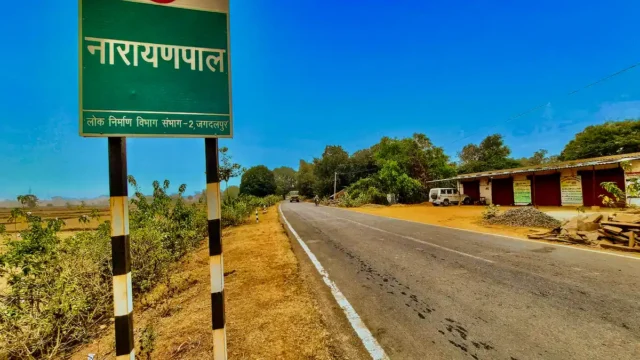
Forest Rights Act: second regional review conference for eight eastern and central States
On 9 October 2026 the Tribal Affairs Ministry held the second regional review of the Forest Rights Act, 2006 in Kolkata with eight States. Nationally, over 54 lakh claims have been filed, about 25 lakh titles given, about 11 lakh are pending and over 18 lakh rejected. The focus is quick disposal, record updating, CFR rights and PVTG habitat rights.
UPSC angle: Prelims: FRA provisions, PVTG habitat rights. · Mains GS-II: welfare of STs; GS-III: forest governance.
10 Oct 2026
FRA digital platform: all SIH finalists brought in
Most FRA disputes come from missing or poor records. Digitisation helps only if claimants can see and track their files.
UPSC angle: Prelims: FRA 2006.
6 Jan 2026
Constitution published in Santhali for the first time
Reading the Constitution in one's own language is part of legal literacy. Tribal languages have had little official material so far.
UPSC angle: Prelims: Eighth Schedule, Ol Chiki.
25 Dec 2025
PM-JANMAN: 25 roads for 30 PVTG habitations in Tripura
PVTG hamlets are small and scattered, which is why normal PMGSY population norms missed them.
UPSC angle: Prelims: PVTGs, PM-JANMAN.
9 Dec 2025Learn the concept
Question text as printed in the official UPSC question paper: https://www.upsc.gov.in/sites/default/files/QP_CSM_2024_GenStud_I_03102024.pdf The model answer is original Battle IAS work; use it to learn structure, not to memorise.