
UPSC Mains 2024 GS2 Q17: model answer
In a crucial domain like the public healthcare system the Indian State should play a vital role to contain the adverse impact of marketisation of the system. Suggest some measures through which the State can enhance the reach of public healthcare at the grassroots level.
What the question wants
Effects of marketised healthcare and measures to strengthen grassroots public health.
How to structure it
Intro: India's private sector now provides most outpatient and much inpatient care. Body: (1) Adverse impact of marketisation; (2) Measures to expand grassroots public healthcare: Raise spending, Primary care, Human resources, Free medicines and tests. Conclusion: Kerala and Tamil Nadu show that strong public primary care lowers costs and improves outcomes. Health.
- 1(1) Adverse impact of marketisation
- 2(2) Measures to expand grassroots public healthcare: Raise spending, Primary care, Human resources, Free medicines and tests
Model answer
India's private sector now provides most outpatient and much inpatient care. Without a strong public system, health becomes a commodity that the poor cannot afford.
Adverse impact of marketisation
- High out-of-pocket spending: though falling, it was still about 39% of total health spending in 2021-22 (National Health Accounts).
- Medical expenses push millions into poverty each year.
- Urban concentration of hospitals; rural shortage of specialists.
- Over-treatment and unregulated prices.
Measures to expand grassroots public healthcare
- Raise spending: government health spending is under 2% of GDP; National Health Policy 2017 targets 2.5%.
- Primary care: strengthen Ayushman Arogya Mandirs (health and wellness centres) with staff, medicines and diagnostics; tele-consultation through eSanjeevani.
- Human resources: fill vacancies at PHCs and CHCs, rural service incentives, community health officers, empower ASHAs with better pay.
- Free medicines and tests: Jan Aushadhi, Free Drugs and Diagnostics initiatives; Tamil Nadu's medical procurement model.
- Insurance with regulation: PM-JAY covers hospitalisation; extend to outpatient care, and audit claims.
- Regulate private care: enforce the Clinical Establishments Act, cap prices of essential drugs and stents.
- Public health cadre: separate cadre for preventive care, as Tamil Nadu has.
- Community participation: Rogi Kalyan Samitis, village health committees, social audits.
- Digital health: ABHA health IDs for continuity of care.
Kerala and Tamil Nadu show that strong public primary care lowers costs and improves outcomes. Health must remain a public good, with the market as a complement, not a master.
Keywords, cases and data to drop in
out-of-pocket expenditure NHP 2017 Ayushman Arogya Mandir PM-JAY public health cadre eSanjeevani
Where most answers lose marks
- Arguing to abolish private healthcare.
Fresh examples from current affairs
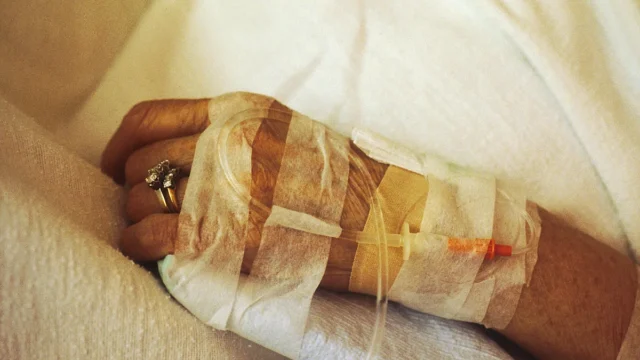
NPPA caps trade margins on 137 anti-cancer drugs: prices to fall up to 70% from 9 November
On 17 October 2026 the National Pharmaceutical Pricing Authority (NPPA) capped trade margins on 137 non-scheduled anti-cancer drugs at 30%, using its special public-interest power under Paragraph 19 of the Drugs (Prices Control) Order, 2013. The Government expects the retail price of these medicines to fall by up to 70%, and the new prices apply from 9 November 2026. The list includes costly immunotherapy drugs such as pembrolizumab and durvalumab.
UPSC angle: Prelims: NPPA, DPCO 2013 Para 19, trade margin, scheduled vs non-scheduled drugs. · Mains GS-II: affordable medicines and health equity.
18 Oct 2026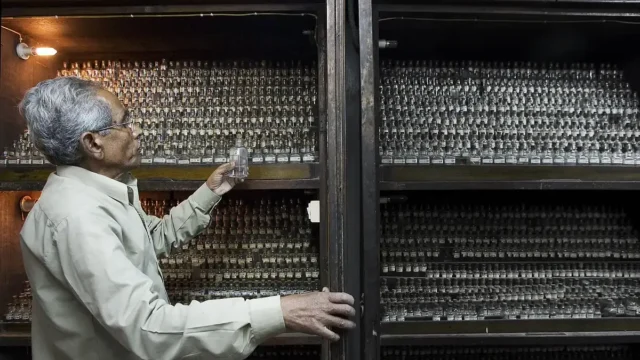
Draft rule to stop drug retailers and wholesalers from advertising prescription-only medicines
The Health Ministry has proposed amending the Drugs Rules, 1945 so that drug retailers, wholesalers and distributors also need prior Central Government sanction to advertise Schedule H, H1 and X medicines. Manufacturers already face this rule. The draft, G.S.R. 861(E) of 28 September 2026, follows DTAB advice and is open for comments for 30 days.
UPSC angle: Prelims: Drug schedules, DTAB. · Mains GS-II: health regulation; GS-III: AMR.
9 Oct 2026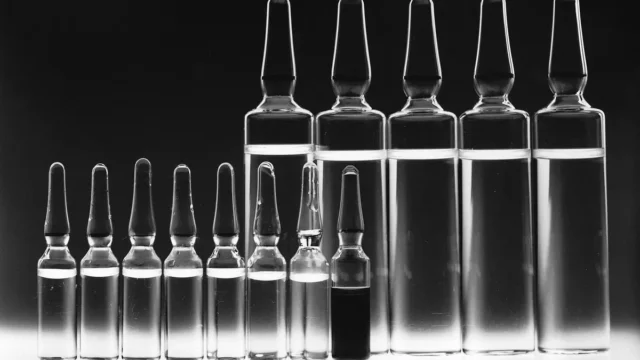
Trade-margin cap of 30% extended to non-scheduled cancer medicines
The government has approved a cap on trade margins for non-scheduled anti-cancer medicines at 30% of MRP. It expects prices to fall by up to 70% and patients to save about ₹2,500 crore a year. NPPA found average mark-ups of about 170% on such drugs. A 2019 cap on 42 cancer drugs saved ₹984 crore a year.
UPSC angle: Prelims: NPPA, DPCO. · Mains GS-II: health; GS-III: pharma regulation.
8 Oct 2026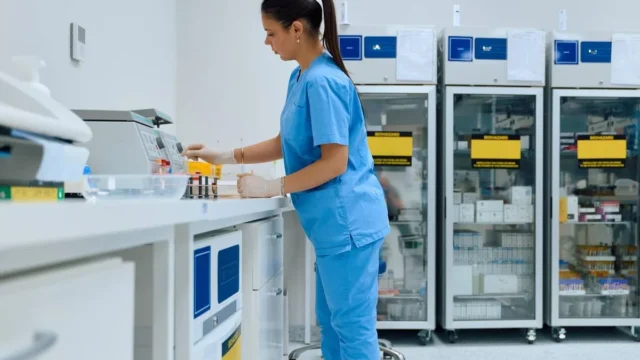
NCAHP notifies autonomous boards and digital registration for allied and healthcare professionals
The National Commission for Allied and Healthcare Professions has notified regulations for Autonomous Boards and a Central Assessment Committee, and for registering allied and healthcare professionals with unique IDs in State and Central Registers. It also notified a two-year competency-based Diploma in Medical Radiology and Imaging Technology with a six-month internship.
UPSC angle: Prelims: NCAHP Act year, D.MRIT. · Mains GS-II: health human resources.
7 Oct 2026Question text as printed in the official UPSC question paper: https://www.upsc.gov.in/sites/default/files/QP_CSM_2024_GenStud_II_03102024.pdf The model answer is original Battle IAS work; use it to learn structure, not to memorise.