
NPPA caps trade margins on 137 anti-cancer drugs: prices to fall up to 70% from 9 November
Next story · 18 OctNBA shares Rs 1.19 crore with 29 State Biodiversity Boards from use of crop genetic resources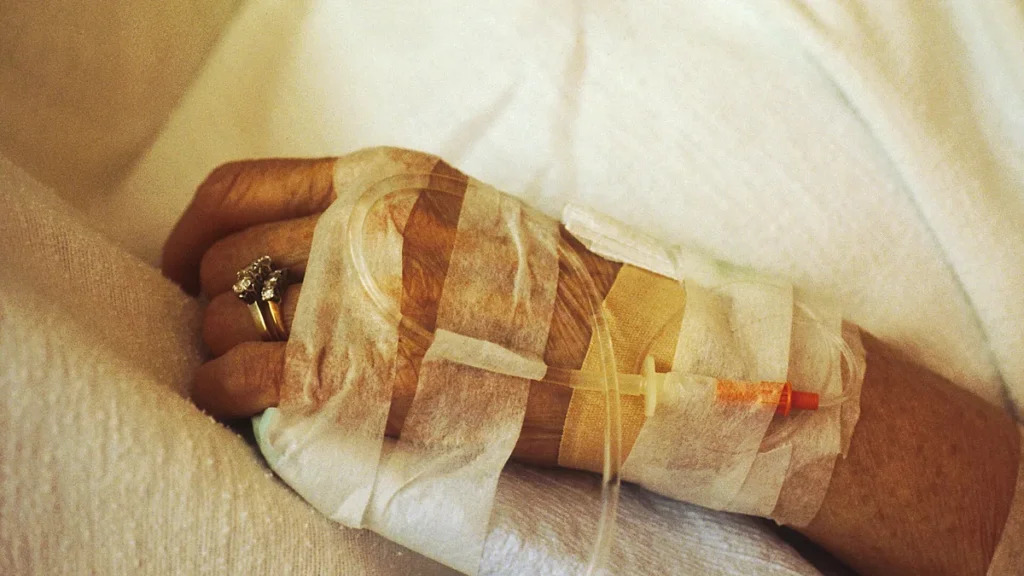
On 17 October 2026 the National Pharmaceutical Pricing Authority (NPPA) capped trade margins on 137 non-scheduled anti-cancer drugs at 30%, using its special public-interest power under Paragraph 19 of the Drugs (Prices Control) Order, 2013. The Government expects the retail price of these medicines to fall by up to 70%, and the new prices apply from 9 November 2026. The list includes costly immunotherapy drugs such as pembrolizumab and durvalumab.
- Drugs covered
- 137 anti-cancer
- Margin cap
- 30%
- Price cut
- Up to 70%
- Effective
- 9 Nov 2026
Cancer drug margins capped: what happened?
A cancer diagnosis brings two kinds of fear into a home: the disease itself, and the bill. Many families sell land or jewellery to pay for a few cycles of treatment. A large part of what they pay is not the cost of making the medicine but the margin added on its way from factory to patient. That margin is what the Government has now cut.
- 17 Oct 2026: NPPA, under the Department of Pharmaceuticals, Ministry of Chemicals and Fertilizers, notified Trade Margin Rationalisation (TMR) for 137 non-scheduled anti-cancer drugs (PIB).
- Trade margin capped at 30%, under Paragraph 19 of the Drugs (Prices Control) Order (DPCO), 2013. The MRP is expected to fall by up to 70%, depending on the present price structure.
- The list covers immunotherapy drugs used for over 20 types of cancer, denosumab (breast and prostate cancer), pegfilgrastim (to prevent neutropenia) and bevacizumab (colon, ovary and cervical cancer). Pembrolizumab, durvalumab and osimertinib are named as drugs that should become more affordable.
- Makers must report revised prices to NPPA within 7 days of the Gazette notification. Retailers and hospitals must charge the reduced prices from 9 November 2026 and display them.
What is trade margin rationalisation?
- Trade margin is the gap between the price at which a company sells a medicine to the distribution chain and the MRP the patient finally pays. In costly drugs this gap can be very large, and it often goes into commissions rather than into the medicine.
- Scheduled drugs are those in the National List of Essential Medicines; their ceiling prices are fixed by NPPA. Non-scheduled drugs, like these 137, are outside direct price control.
- Paragraph 19 of DPCO, 2013 lets the Government fix or revise the price of any drug, scheduled or not, in extraordinary circumstances and in public interest. TMR uses this power.
- The 2019 pilot: NPPA capped trade margins for 42 non-scheduled anti-cancer drugs at 30%. MRPs of 526 brands came down by up to 90% (PIB). The 2026 list is over three times bigger.
- The 137 drugs were recommended by an Expert Committee of oncologists, specialists and officials under the Directorate General of Health Services (DGHS). The list is to be updated periodically.
How does 2026 compare with the 2019 pilot?
| Point | 2019 pilot | 2026 exercise |
|---|---|---|
| Drugs covered | 42 non-scheduled anti-cancer drugs | 137 non-scheduled anti-cancer drugs |
| Trade margin cap | 30% | 30% |
| Legal power | Para 19, DPCO 2013 | Para 19, DPCO 2013 |
| Price effect | 526 brands cheaper by up to 90% | MRP expected to fall by up to 70% |
| Who picked the drugs | NPPA | DGHS Expert Committee; list to be updated |
Which constitutional and legal provisions apply?
- Seventh Schedule, Concurrent List Entry 19: drugs and poisons. Both Parliament and States can make laws; price control is done by the Centre.
- Essential Commodities Act, 1955, Section 3: the DPCO, 2013 is issued under this power, and drugs are an essential commodity.
- DPCO, 2013, Paragraph 19: price fixing in extraordinary circumstances, in public interest. State Drug Controllers enforce compliance on the ground.
- Article 47 (DPSP) makes improving public health a primary duty of the State, and the Supreme Court has read the right to health into Article 21.
How does the cap reach the patient?
From Gazette to chemist counter
- DGHS Expert Committee recommends 137 drugs
- NPPA caps trade margin at 30% (Gazette, 17 Oct 2026)
- Makers report revised MRPs within 7 days
- Price lists go to retailers and hospitals
- Patients pay the new MRP from 9 Nov 2026; check on the Pharma Sahi Daam app
Which numbers should you remember?
| Number | What it means |
|---|---|
| 137 | Non-scheduled anti-cancer drugs under TMR |
| 30% | Cap on trade margin |
| Up to 70% | Expected fall in MRP |
| 15,33,055 | Estimated cancer cases in India in 2024 (ICMR-NCRP, Lok Sabha reply) |
Hospitals buy a large share of cancer drugs directly. So the order makes hospitals and medical institutions responsible for charging revised prices, and asks them to display the prices on their websites too.
Why does this matter?
| Angle | What to note |
|---|---|
| Health equity | Cancer care is among the biggest causes of high out-of-pocket health spending. |
| Regulation | Shows how price control can work on non-scheduled drugs through margins, not ceiling prices. |
| Industry | Manufacturers’ legitimate revenue is protected; the cut falls on the distribution chain. |
| Governance | Centre fixes prices; State Drug Controllers enforce; patients can check on an app. |
What are the challenges?
- Enforcement is the weak link. Hospitals and chemists across thousands of outlets must actually charge the new MRP.
- Companies may cut supply of low-margin drugs. That is why the order requires them to keep present production and supply levels.
- Margins are only part of the bill. Diagnostics, surgery, radiation and hospital stays still cost a lot.
- New cancer drugs keep arriving; a fixed list can fall behind unless it is reviewed often.
What should be done next?
- Publish brand-wise revised prices early and keep the Pharma Sahi Daam app up to date.
- Let State Drug Controllers run surprise checks in hospital pharmacies, where most of these drugs are sold.
- Review the list regularly, as the PIB release itself promises.
- Pair cheaper drugs with early screening and wider cover under Ayushman Bharat PM-JAY, so patients reach treatment in time.
What can Prelims ask on cancer drug price control?
- NPPA: set up in 1997; works under the Department of Pharmaceuticals, Ministry of Chemicals and Fertilizers (not the Health Ministry).
- DPCO, 2013 is issued under the Essential Commodities Act, 1955.
- Paragraph 19 of DPCO: price fixing in extraordinary circumstances, for scheduled or non-scheduled drugs.
- TMR 2026: 137 drugs, 30% margin cap, effective 9 November 2026.
- 2019 pilot: 42 drugs; 526 brands cheaper by up to 90%.
- Drugs and poisons: Concurrent List Entry 19.
How to write about drug pricing in Mains
Practice question (10 marks, 150 words): “Affordable medicines are the first step towards universal health coverage.” Discuss with reference to recent steps on cancer drug pricing.
- Intro: cancer burden of over 15 lakh cases a year; high out-of-pocket costs.
- Body: TMR on 137 drugs, 30% cap, prices down by up to 70% from 9 Nov 2026; built on the 2019 pilot.
- Mechanism: Para 19 of DPCO; State Drug Controllers; Pharma Sahi Daam app.
- Limits: enforcement, supply risk, other costs of care.
- Conclusion: price control plus screening plus insurance cover.
Image: Linda Bartlett, National Cancer Institute, via Wikimedia Commons, public domain
How to use this in Mains
If asked: Out-of-pocket expenditure remains the biggest barrier to healthcare in India. Suggest measures to reduce it. (GS-II)
Quote: “The intervention is expected to bring down the MRP of the identified non-scheduled anti-cancer drugs by up to 70%, depending on their existing price structures.”
Use it: Use it as your freshest example under ‘medicine costs’, right after you say that drugs make up a large share of what families pay from their own pockets.
If asked: Critically examine the role of price control in ensuring access to essential medicines. (GS-II)
Quote: “The measure for TMR on anti-cancer drugs aims to control excessive trade margins in the distribution and retail channel while safeguarding legitimate manufacturer revenues and preventing artificial market shortages.”
Use it: This line gives you both sides in one sentence: relief for patients and protection for makers. Follow it with the supply risk to keep the answer balanced.
Exam angle
Prelims: NPPA, DPCO 2013 Para 19, trade margin, scheduled vs non-scheduled drugs. · Mains GS-II: affordable medicines and health equity.
Practice MCQs
Original practice questions (not PYQs).
With reference to the National Pharmaceutical Pricing Authority (NPPA), consider the following statements:
1. It works under the Ministry of Health and Family Welfare.
2. In October 2026 it capped trade margins on 137 non-scheduled anti-cancer drugs at 30%.
Which of the statements given above is/are correct?
Answer (b) & explanation
NPPA works under the Department of Pharmaceuticals, Ministry of Chemicals and Fertilizers. Statement 2 is from PIB, 17 Oct 2026.
The Drugs (Prices Control) Order, 2013 has been issued under which Act?
Answer (b) & explanation
The DPCO is issued under Section 3 of the Essential Commodities Act, 1955.
Paragraph 19 of the DPCO, 2013, recently in the news, empowers the Government to
Answer (b) & explanation
Para 19 allows price fixing for scheduled or non-scheduled drugs in extraordinary circumstances, in public interest. NPPA used it for the 2019 and 2026 cancer drug margin caps.
Questions students ask about this
What has NPPA done?
It capped trade margins on 137 non-scheduled anti-cancer drugs at 30%, which is expected to cut their MRP by up to 70%.
From when will prices fall?
Retailers and hospitals must charge the revised prices from 9 November 2026.
Which drugs are covered?
Immunotherapy drugs used for over 20 cancers, and others such as denosumab, pegfilgrastim and bevacizumab. Pembrolizumab, durvalumab and osimertinib are named in the release.
How can a patient check the new price?
On the Pharma Sahi Daam app or the NPPA website.
Keep studying
Go deeper
Official source: PIB, 17 Oct 2026: Trade Margin Rationalisation on 137 Anti-Cancer Drugs; revised prices effective from November 9, 2026
facts from cited sources only; faculty review pending