
Cabinet extends NSAP to 2030-31 and renames it Pradhan Mantri Samajik Sahayata Yojana
Next story · 14 OctPM addresses Bloomberg New Economy Forum in New Delhi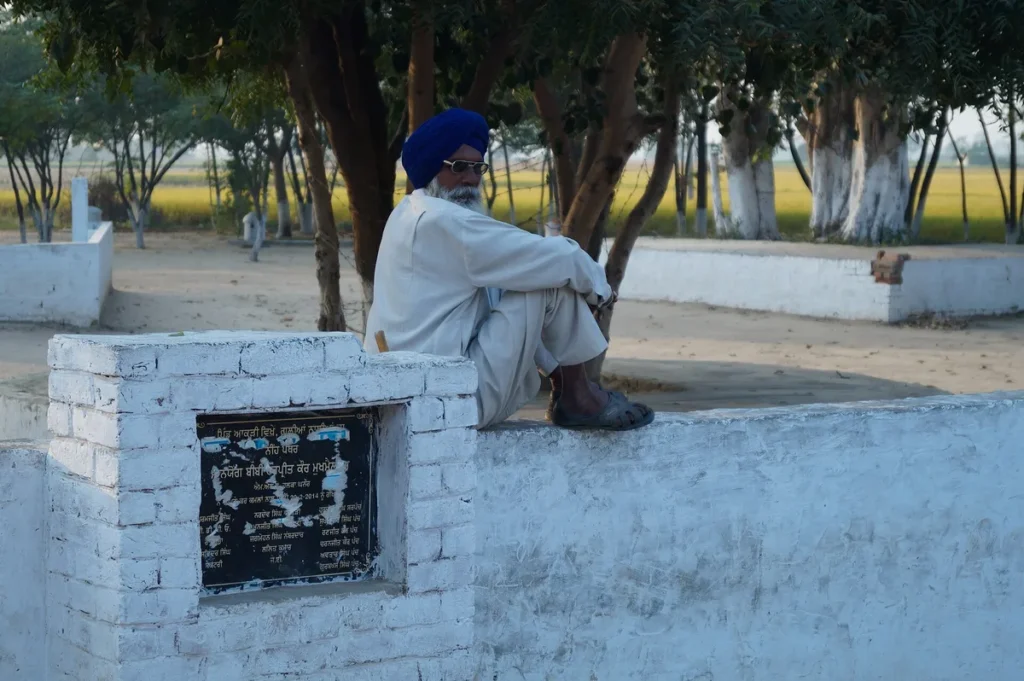
UPSC has already asked about this. Read the story with these questions in mind.
On 14 October 2026 the Union Cabinet extended the National Social Assistance Programme for five years, 2026-27 to 2030-31, with Rs. 53,428 crore. It is renamed Pradhan Mantri Samajik Sahayata Yojana. The disability pension now needs 40% benchmark disability instead of 80%, starts from birth, and pays Rs. 375 or Rs. 625 a month.
- Period
- 2026-27 to 2030-31
- Outlay
- ₹53,428 crore
- New name
- PM Samajik Sahayata Yojana
- Disability bar
- 40% (was 80%)
The National Social Assistance Programme: what happened?
NSAP is the Centre’s basic pension net for poor elderly people, widows and persons with disabilities, plus a one-time family benefit. The scheme was due for continuation. The Cabinet kept the old-age and widow parts as they are, renamed every component, and rewrote the disability pension to match the 2016 disability law.
- On 14 October 2026 the Union Cabinet approved continuation of the National Social Assistance Programme (NSAP) for five years, 2026-27 to 2030-31, with a total outlay of Rs. 53,428 crore.
- NSAP becomes Pradhan Mantri Samajik Sahayata Yojana; its old-age, widow and disability pension schemes and the National Family Benefit Scheme get new Pradhan Mantri names.
- Disability pension changes: Rs. 375 a month for ages 0-79 and Rs. 625 for 80 and above; benchmark disability cut from 80% to 40%; eligibility from birth. About 3.20 crore beneficiaries in all 36 States/UTs.
What is NSAP?
- Launched on 15 August 1995 for poor households, to discharge the Central Government’s responsibility under the Directive Principles in Article 41.
- It carries 100 per cent central assistance. The release says this is so that help reaches beneficiaries everywhere in the country on the same footing.
- The Department of Rural Development runs it.
What are the new names?
| Old name | New name |
|---|---|
| National Social Assistance Programme (NSAP) | Pradhan Mantri Samajik Sahayata Yojana |
| Indira Gandhi National Old Age Pension Scheme (IGNOAPS) | Pradhan Mantri Vridhavastha Pension Yojana |
| Indira Gandhi National Widow Pension Scheme (IGNWPS) | Pradhan Mantri Vidhawa Pension Yojana |
| Indira Gandhi National Disability Pension Scheme (IGNDPS) | Pradhan Mantri Divyangjan Pension Yojana |
| National Family Benefit Scheme | Pradhan Mantri Parivar Labh Yojana |
Which constitutional provisions sit behind NSAP?
- Article 41 (Directive Principle): “The State shall, within the limits of its economic capacity and development, make effective provision for securing the right to work, to education and to public assistance in cases of unemployment, old age, sickness and disablement, and in other cases of undeserved want.”
- Seventh Schedule, List II Entry 9: “Relief of the disabled and unemployable.” So the subject is with States; the Centre acts through a fully funded scheme.
- List III Entry 23: “Social security and social insurance; employment and unemployment.” Entry 24 includes “invalidity and old age pensions”.
- The Rights of Persons with Disabilities Act 2016, says the release, ties disability assistance to 40% benchmark disability and requires it to be 25% higher than similar schemes for other groups.
What exactly changes in the disability pension?
| Feature | Before | After |
|---|---|---|
| Benchmark disability | 80% | 40% |
| Minimum age | Not from birth | From birth |
| Monthly assistance | (rate not given in release) | Rs. 375 (age 0-79); Rs. 625 (80 and above) |
| Guidelines | — | To be issued and implemented within three months |
Old-age pension, widow pension and the family benefit scheme continue in their existing form.
How will the change reach beneficiaries?
From Cabinet to pension account
- Cabinet approves continuation and changes (14 Oct 2026)
- Department of Rural Development issues guidelines within three months
- States identify newly eligible persons with 40% or more disability
- Pension paid under the renamed sub-schemes
- Coverage target: about 3.20 crore beneficiaries in 36 States/UTs
Why does the National Social Assistance Programme matter?
| Angle | What to note |
|---|---|
| Constitutional | A working example of Article 41: public assistance in old age and disablement. |
| Social justice | Halving the disability threshold from 80% to 40% widens the net to many who were left out. |
| Legal alignment | Brings the pension in line with the benchmark disability standard of the 2016 Act. |
| Federal | List II subject, but 100 per cent central funding keeps a national floor. |
| Fiscal | Rs. 53,428 crore over five years for about 3.20 crore people. |
What are the challenges in the National Social Assistance Programme?
- The release does not change old-age and widow pension amounts; any State top-up still decides how much a person actually gets.
- Moving from 80% to 40% needs fresh disability certification; delays in certificates can delay pensions.
- Eligibility from birth means children with disabilities can now get the pension; families will need clear guidance on how to apply.
- Renaming costs nothing in money but forms, portals and awareness material all need updating.
What should be done next on the National Social Assistance Programme?
- Issue the guidelines within the promised three months and publish State-wise beneficiary targets.
- Run certification camps so that people with 40% to 79% disability are not left waiting.
- Keep the 25% higher rate rule of the 2016 Act in view when other pension rates are revised.
- Link the pension database with disability ID records to cut duplicate and missing entries.
What can Prelims ask on the National Social Assistance Programme?
- NSAP launched 15 August 1995; Article 41 cited in the release.
- New name: Pradhan Mantri Samajik Sahayata Yojana; five components renamed.
- Outlay Rs. 53,428 crore for 2026-27 to 2030-31.
- Disability pension: 40% benchmark (was 80%); from birth; Rs. 375 / Rs. 625.
- About 3.20 crore beneficiaries in 36 States/UTs.
- List II Entry 9: relief of the disabled and unemployable.
How to write about the National Social Assistance Programme in Mains
Practice question (10 marks, 150 words): “Directive Principles are not enforceable, yet they shape welfare law.” Illustrate with reference to the revamped National Social Assistance Programme. (150 words)
- Intro: Article 41 and NSAP since 1995.
- Cabinet decision: outlay, renaming, 3.20 crore beneficiaries.
- Disability pension: 40% benchmark, from birth, link to the 2016 Act.
- Gaps: certification, old-age amounts unchanged, State variation.
- Conclusion: DPSP as a guide that budgets turn into rights-like benefits.
Image: Satdeep Gill, Wikimedia Commons, CC BY-SA 4.0
How to use this in Mains
If asked: Evaluate how social assistance schemes give effect to the Directive Principles. (GS-II)
Quote: “Launched on 15 August 1995 for poor households, to discharge the Central Government’s responsibility under the Directive Principles in Article 41.”
Use it: Open with this Article 41 link, then use the 40% disability threshold as your 2026 example in the body.
Exam angle
Prelims: launch date, new names, outlay, 40% benchmark, Article 41. · Mains GS-II: welfare schemes for vulnerable sections; DPSPs; rights of persons with disabilities.
Practice MCQs
Original practice questions (not PYQs).
With reference to the National Social Assistance Programme (NSAP), consider the following statements:
1. It was launched in 1995.
2. After the October 2026 decision, the disability pension requires 80% benchmark disability.
3. It has been renamed Pradhan Mantri Samajik Sahayata Yojana.
Which of the statements given above are correct?
Answer (c) & explanation
PIB Cabinet release, 14 Oct 2026: launched 15 August 1995; benchmark cut to 40%; renamed.
"Relief of the disabled and unemployable" is an entry in
Answer (b) & explanation
Constitution of India, Seventh Schedule, List II Entry 9.
Questions students ask about this
What is the new name of NSAP?
Pradhan Mantri Samajik Sahayata Yojana, approved by the Cabinet on 14 October 2026.
How much has been approved for NSAP till 2030-31?
Rs. 53,428 crore for five years, 2026-27 to 2030-31.
What changed in the disability pension?
The benchmark disability is now 40% instead of 80%, eligibility starts from birth, and the rate is Rs. 375 a month (age 0-79) or Rs. 625 (80 and above).
When was NSAP launched?
On 15 August 1995.
Which Article of the Constitution does NSAP serve?
Article 41, a Directive Principle on public assistance in old age, sickness and disablement.
Keep studying
Go deeper
Official source: PIB: Cabinet approves continuation of the National Social Assistance Programme for five years from 2026-27 to 2030-31, 14 Oct 2026
facts from cited sources only; faculty review pending