
Project Seabird Phase IIA: new housing, 409-bed hospital and green infrastructure inaugurated at Karwar
Next story · 17 OctIITM Pune holds first consultation of the Climate Science into Services for India Forum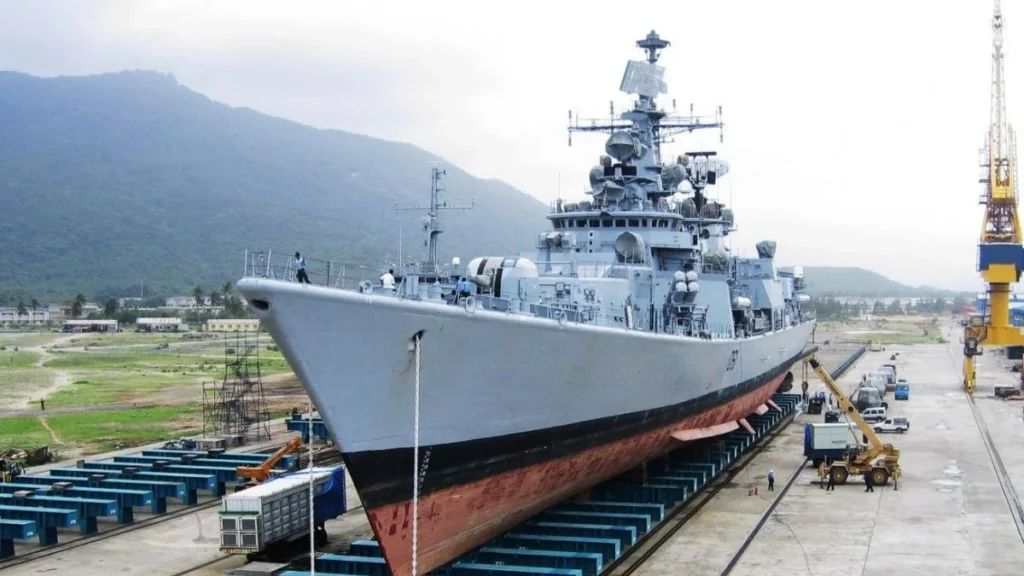
Vice Admiral Sanjay Vatsayan, Flag Officer Commanding-in-Chief, Western Naval Command, inaugurated new facilities under Project Seabird Phase IIA at Naval Base, Karwar, on 15 October 2026, the Defence Ministry said on 17 October. They include five residential towers with 300 homes for naval defence civilians and a Station Health Organisation complex that takes INHS Patanjali to 409 beds. Water, sewage, waste and four-lane access works were opened too.
- Location
- Karwar, Karnataka
- Homes
- 5 towers, 300 units
- Hospital
- INHS Patanjali, 409 beds
- Local sourcing
- Over 90%
Project Seabird: what was inaugurated?
We usually picture a naval base as warships and jetties. But a base also needs homes, hospitals, water and roads for thousands of families. Karwar’s new phase shows how much quiet civil work goes into sea power.
- Inaugurated in the presence of VAdm Vivek Dahiya, Director General Seabird (PIB).
- Supporting works: a two-lakh-litre hilltop water reservoir and a sewage treatment plant.
- An integrated solid waste management facility and an access gate with a four-lane bridge, pedestrian and cycle paths.
- The base will house about 10,000 uniformed and civilian personnel with families.
Why a base at Karwar?
- Karwar in Uttara Kannada, Karnataka, has a deep natural harbour on the west coast.
- Mumbai’s harbour is crowded with commercial and naval traffic, so the Navy needed space to grow.
- Phase I made INS Kadamba operational in 2005.
- The base sits close to Arabian Sea shipping lanes and can support large ships.
What does Phase IIA include?
| Component | Details |
|---|---|
| Inaugurated (Oct 2026) | 300 homes, 409-bed hospital, water, STP, waste, access bridge |
| Wider scope | Dual-use Naval Air Station, full naval dockyard, ship and aircraft logistics |
| Green norms | MoEF&CC norms; IGBC Gold rating on completion |
Which rules apply?
- Environment (Protection) Act, 1986 and the EIA Notification, 2006 for large projects.
- Coastal Regulation Zone Notification, 2019 for construction along the coast.
- Defence Acquisition Procedure, 2020 and Aatmanirbhar Bharat push for domestic sourcing.
- Land Acquisition Act, 2013 (RFCTLARR) for compensation and rehabilitation of displaced families.
What are the concerns?
- Fishing families and villages were displaced and have long sought better compensation.
- Coastal ecology, including mangroves and fish breeding areas, faces pressure.
- Long project timelines raise costs.
- Dual-use airfields need careful civil and military coordination.
What should be done next?
- Finish rehabilitation and settle pending claims of displaced families.
- Publish environmental monitoring results regularly.
- Start civil flights from the dual-use air station to boost the regional economy.
- Use local hiring and skilling in Uttara Kannada.
What can Prelims ask?
- Project Seabird: naval base at Karwar, Karnataka; INS Kadamba.
- Western Naval Command: headquartered in Mumbai.
- IGBC: Indian Green Building Council, under CII.
- Dual-use airfield: shared by military and civil aviation.
How to write about maritime infrastructure in Mains
Practice question (10 marks, 150 words): Examine the role of naval infrastructure in India’s maritime security. (GS-III)
- Intro: Project Seabird Phase IIA, Karwar, Oct 2026.
- Value: decongest Mumbai, west coast reach, dockyard, air station.
- Green and local: IGBC Gold, over 90% domestic sourcing.
- Concerns: displacement, ecology, delays.
- Conclusion: sea power rests on shore support.
Image: INS Delhi on the shiplift at the Naval Ship Repair Yard, INS Kadamba, Karwar. Indian Navy, Wikimedia Commons, Government Open Data Licence – India
How to use this in Mains
If asked: How do large defence projects affect regional development? (GS-III)
Quote: “The Naval base housing approx. 10,000 uniformed and civilian personnel with families, will significantly boost the local economy, industry and tourism and create numerous direct and indirect job opportunities for the Uttara Kannada region.”
Use it: Quote it, then add displacement and ecology as balance.
If asked: Discuss the role of Aatmanirbhar Bharat in defence infrastructure. (GS-III)
Quote: “The Project aligns with the concept of Aatmanirbhar Bharat, sourcing over 90% of materials and equipment domestically.”
Use it: Use the figure for indigenisation beyond weapons.
Exam angle
Prelims: Karwar, INS Kadamba, dual-use airfield. · Mains GS-III: maritime security infrastructure.
Practice MCQs
Original practice questions (not PYQs).
Project Seabird is associated with a naval base at
Answer (b) & explanation
Project Seabird is the naval base at Karwar, Karnataka (INS Kadamba).
Consider the following statements about Project Seabird Phase IIA:
1. It includes a dual-use Naval Air Station.
2. It is expected to be IGBC Gold rated on completion.
Which of the statements given above is/are correct?
Answer (c) & explanation
Both are correct as per PIB.
Karwar lies in which district?
Answer (c) & explanation
Karwar is in Uttara Kannada district, Karnataka.
Questions students ask about this
What was inaugurated at Karwar?
Housing, a hospital complex and utility infrastructure under Project Seabird Phase IIA.
Who inaugurated it?
VAdm Sanjay Vatsayan, FOC-in-C, Western Naval Command, on 15 October 2026.
What is the hospital capacity?
INHS Patanjali has been raised to 409 beds.
What else is in Phase IIA?
A dual-use Naval Air Station, a full dockyard and logistics facilities.
Keep studying
Official source: PIB, 17 Oct 2026: Inauguration of Project Seabird infrastructure by Vice Admiral Sanjay Vatsayan, FOC-in-C (WNC)
facts from cited sources only; faculty review pending