
A.P., Odisha evacuate as Cyclone Arnab nears coast
Cyclone Arnab is set to cross the Andhra Pradesh coast as a ‘very severe cyclonic storm’ near Yanam or Kakinada around noon on Wednesday, with gusts of up to 140 km/h. What stands out is the detail of preparation, right down to moving pregnant women to safe hospitals. Read it for how cyclones form, the IMD’s scale, spring tides and good disaster management.
- Landfall
- Near Yanam or Kakinada, Wednesday noon
- Strength
- Very severe cyclonic storm, gusts up to 140 km/h
- Red alert
- 7 of Andhra Pradesh’s 28 districts
- Boats back
- 30,043
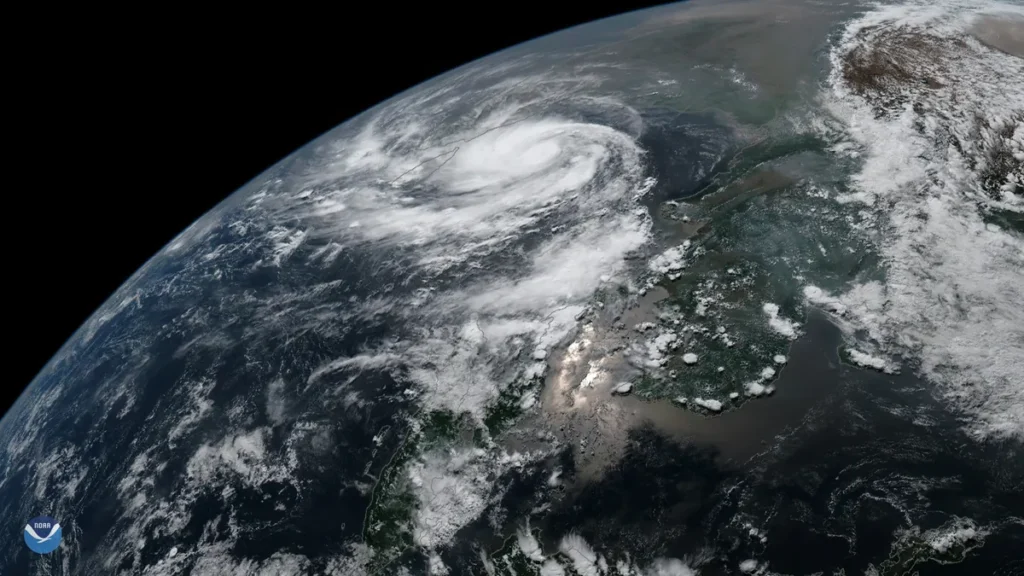
Cyclone Arnab: what is happening?
A cyclone gives a few days of warning. What a State does with those days decides whether people die. This time, officials are not only moving people from the coast but also tracking every pregnant woman by name.
- Seven of Andhra Pradesh’s 28 districts are on red alert; 200 mm or more of rain is possible in places.
- Mothers first: 4,711 pregnant women in Andhra Pradesh will be moved to safer health facilities; Odisha is tracking about 3,000.
- 30,043 fishing boats are back in harbour. Andhra Pradesh has seven NDRF (National Disaster Response Force) and eight SDRF (State Disaster Response Force) battalions in place; its eastern power company runs 41 control rooms.
- Odisha has opened over 1,700 shelters in five southern districts and placed eight NDRF and 40 ODRAF (Odisha Disaster Rapid Action Force) teams plus fire services. The Centre will send more forces, and the Army and Navy if needed, after a Cabinet Secretary review.
- Second danger: as the storm curves into Chhattisgarh, the Mahanadi may swell, and full-moon high tides will slow the flow of floodwater into the sea.
What is a tropical cyclone, and how does it form?
A tropical cyclone is a huge spinning storm that forms over warm seas. Warm, moist air rises, cools and forms clouds; more air rushes in to replace it and starts to spin because of the Earth’s rotation. The Bay of Bengal, with its warm water, is one of the world’s most cyclone-prone seas.
The India Meteorological Department (IMD) grades cyclones by wind speed. A ‘very severe cyclonic storm’ has winds of about 118–166 km/h; ‘extremely severe’ is about 167–221 km/h; a ‘super cyclonic storm’ is 222 km/h or more.
Tides are the regular rise and fall of the sea, caused by the pull of the Moon and the Sun. At full moon and new moon, the Sun, Earth and Moon are in a line and tides are highest; these are spring tides. A storm surge on top of a spring tide pushes much more water inland.
Who does what in a cyclone
| Level | Body | Role |
|---|---|---|
| National | NDMA and NDRF | Plans, guidelines and rescue teams |
| Forecast | IMD | Track, strength and warnings |
| State | SDMA, SDRF, ODRAF | Evacuation, shelters, rescue |
| District | Collector, health and power teams | Lists of vulnerable people, control rooms |
Which laws and Articles apply?
- Disaster Management Act, 2005: NDMA, SDMAs, DDMAs and the NDRF.
- Sendai Framework for Disaster Risk Reduction (2015–2030): the global plan India follows.
- National Disaster Response Fund and State Disaster Response Funds for relief money.
- IMD issues cyclone warnings and names come from the WMO/ESCAP Panel list for the North Indian Ocean.
Why does Cyclone Arnab matter?
| Angle | What to note |
|---|---|
| Zero-casualty model | Odisha’s approach since the 1999 super cyclone: move people before landfall. |
| Targeting the vulnerable | Named lists of pregnant women turn warnings into household action. |
| Keeping systems alive | Power control rooms and pre-placed teams speed recovery. |
| Compound hazard | Flood plus spring tide is the hidden danger inland. |
What are the problems with Cyclone Arnab?
- Inland flooding after landfall can hurt more than the wind.
- Storm surge plus spring tide needs combined forecasting.
- Cyclone shelters (often schools) must be maintained all year.
- Fishers lose income while boats stay in harbour.
What should be done next on Cyclone Arnab?
- Basin-level flood plans for rivers like the Mahanadi, not just coastal plans.
- Combined surge-and-tide forecasts and drainage planning.
- Train community volunteers and maintain shelters between seasons.
- Quick compensation for fishers and farmers after the storm.
What can Prelims ask on Cyclone Arnab?
- Tides are caused by the Sun’s and Moon’s pull and the Earth’s centrifugal force (UPSC 2015).
- IMD: very severe cyclonic storm about 118–166 km/h.
- Mahanadi rises near Sihawa in Chhattisgarh; Hirakud dam is on it.
How to write about Cyclone Arnab in Mains
Practice question (15 marks, 250 words): Preparedness before a cyclone saves more lives than relief after it. Discuss with reference to Cyclone Arnab, and suggest gaps that remain.
- Intro: Arnab’s landfall and the scale of evacuation.
- What worked: zero-casualty approach, lists of pregnant women, pre-placed forces.
- Gaps: inland floods, surge plus spring tide, shelter upkeep.
- Way forward: basin flood plans, combined forecasts, community volunteers.
- Conclusion: preparation down to the household is the model.
Ready lines for your answer
- “We have prepared district-specific plans to face an emergency situation. We are monitoring the condition of roughly 3,000 pregnant women” (Odisha Chief Secretary Anu Garg).
- “Since we are around the full moon day, discharge of water to the sea would not be that easy” (Odisha Revenue and Disaster Management Minister Suresh Pujari).
Quotable data point4,711 pregnant women in Andhra Pradesh to be moved; 30,043 boats in harbour; Odisha has over 1,700 shelters.
Exam angle
Prelims: cyclone formation, IMD scale, spring and neap tides, regional cyclone names. · Mains GS-I/III: disaster management (Mains 2013 asked about vulnerability assessment).
Practice MCQs
Original practice questions (not PYQs).
Which of the following is the most logical and rational inference that can be made from the passage?
Answer (b) & explanation
The passage argues that rain and tides can flood inland districts days after landfall, so planning must cover the whole basin and the period after the storm.
Questions students ask about this
Where will Cyclone Arnab make landfall?
Near Yanam or Kakinada on the Andhra Pradesh coast around noon on Wednesday, as a very severe cyclonic storm.
What is a very severe cyclonic storm?
An IMD category with wind speeds of about 118–166 km/h.
Why does a full moon make cyclone flooding worse?
At full moon, spring tides are highest, so floodwater drains into the sea more slowly.
What is the NDRF?
The National Disaster Response Force, a specialist rescue force set up under the Disaster Management Act, 2005.