
Bengal targets citizenship for 2.5 lakh Matuas
The Matuas are a Hindu Namasudra community with roots in Bangladesh, and many still lack citizenship papers. West Bengal’s Chief Minister says 2.5 lakh of them will get citizenship by 31 December and join the voter list in January. Read it to revise Part II of the Constitution, the Citizenship Act and the 2019 amendment.
- Target
- 2.5 lakh by 31 December
- Law
- Citizenship (Amendment) Act, 2019
- So far
- About 25,000 granted
- Where
- Thakurnagar, North 24 Parganas
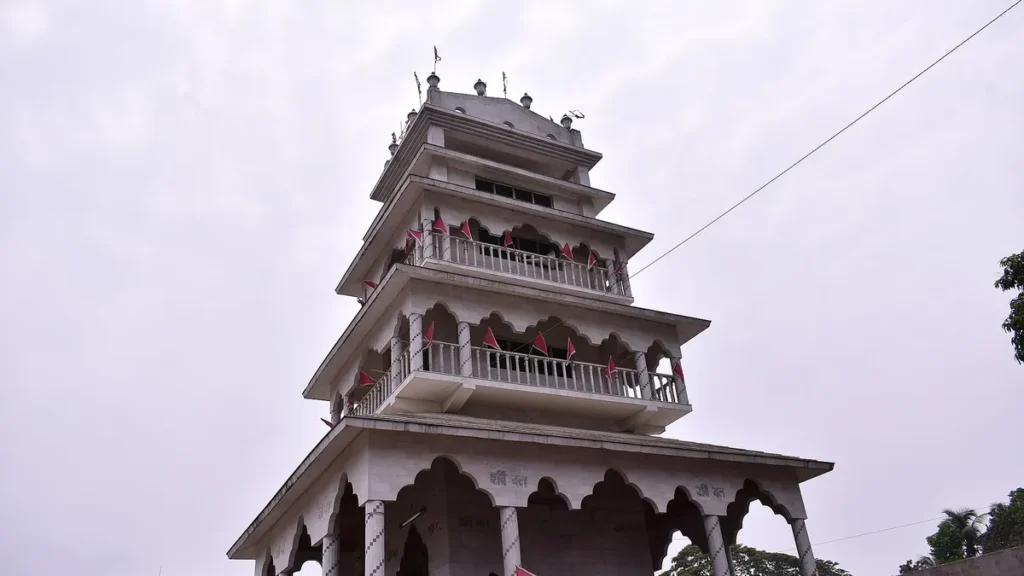
Citizenship for Matuas: what was promised?
Without citizenship papers, a person cannot vote or get many rights. For lakhs of Matuas, the papers matter more than any speech.
- West Bengal Chief Minister Suvendu Adhikari says 2.5 lakh Matuas will get citizenship by 31 December.
- Their names will then be added to the voter list in January.
- The Citizenship (Amendment) Act, 2019 will be used.
- So far, only 25,000 people have got citizenship under it.
- He spoke at the Matua headquarters in Thakurnagar.
- The promise was made in the Assembly poll; Matua-dominated seats are in North 24 Parganas and Nadia.
How does a person become an Indian citizen?
Articles 5 to 11 in Part II of the Constitution deal with citizenship at its start. Article 11 lets Parliament make laws on citizenship.
The Citizenship Act, 1955 sets five ways: birth, descent, registration, naturalisation and incorporation of territory.
The 2019 amendment offers a faster path to Hindus, Sikhs, Buddhists, Jains, Parsis and Christians from Afghanistan, Bangladesh and Pakistan who entered India on or before 31 December 2014.
For them, the residence period for naturalisation was cut from 11 years to 5 years. The rules were notified in 2024.
What does the 2019 amendment cover?
| Item | Detail | Note |
|---|---|---|
| Countries | Afghanistan, Bangladesh, Pakistan | Three neighbours |
| Communities | Six non-Muslim communities | Muslims not covered |
| Cut-off | 31 December 2014 | Entry date |
| Residence | 5 years | Earlier 11 |
Which laws and Articles apply?
- Part II, Articles 5–11: citizenship.
- Article 11: Parliament’s power on citizenship.
- Citizenship Act, 1955 and its 2019 amendment.
- Article 326: only citizens can vote.
Why does citizenship for Matuas matter?
| Angle | What to note |
|---|---|
| Rights | Citizenship opens the door to voting and welfare. |
| Equality debate | Critics say religion-based criteria test Article 14. |
| Federalism | Citizenship is a Union subject; States help in process. |
| Politics | Matua seats matter in Bengal elections. |
What are the problems with citizenship for Matuas?
- Only 25,000 citizenships so far; the target is very large.
- Many lack documents to prove entry before 2014.
- The amendment’s validity is challenged in the Supreme Court.
- Fear of exclusion among those not covered.
What should be done next on citizenship for Matuas?
- Make document rules simple and clear.
- Set up help desks in Matua areas.
- Process applications in a time-bound way.
- Keep the voter list update transparent.
What can Prelims ask on citizenship for Matuas?
Prelims probability: Expect a question on citizenship: Articles 5 to 11 in Part II; under the 2019 amendment, the entry cut-off date is 31 December 2014.
- Part II, Articles 5–11: citizenship.
- Citizenship Act, 1955: five ways to acquire citizenship.
- CAA 2019 cut-off: entry on or before 31 December 2014.
- Naturalisation period under CAA: 5 years (earlier 11).
- Citizenship is in the Union List.
How to write about citizenship for Matuas in Mains
Practice question (15 marks, 250 words): Discuss the constitutional and humanitarian aspects of granting citizenship under the Citizenship (Amendment) Act, 2019.
- Intro: Matua target of 2.5 lakh.
- Constitution: Part II, Article 11, 1955 Act.
- Humanitarian side: refugees without papers.
- Concerns: Article 14, documents, slow pace.
- Conclusion: fair, fast and lawful process.
Ready lines for your answer
- Citizenship is the right to have rights.
- Paper delayed is identity denied.
Quotable data pointOnly 25,000 people have got citizenship under the 2019 amendment so far.
Photo: Pinakpani, CC BY-SA 4.0, via Wikimedia Commons
Exam angle
Prelims: Part II, Citizenship Act, CAA cut-off. · Mains GS-II: citizenship and refugees.
Practice MCQs
Original practice questions (not PYQs).
The Citizenship (Amendment) Act, 2019 provides a faster path to citizenship for certain religious minorities from which of the following countries?
Answer (c) & explanation
The 2019 amendment covers Hindus, Sikhs, Buddhists, Jains, Parsis and Christians from Afghanistan, Bangladesh and Pakistan who entered India on or before 31 December 2014.
Consider the following statements:
1. Citizenship is dealt with in Part II of the Constitution, Articles 5 to 11.
2. Article 11 gives Parliament the power to make laws on citizenship.
3. The Constitution lays down all the ways of acquiring citizenship after its commencement.
How many of the above statements are correct?
Answer (b) & explanation
Statements 1 and 2 are correct. The Constitution covers citizenship at its commencement; ways of acquiring it later (birth, descent, registration, naturalisation, territory) are in the Citizenship Act, 1955.
Questions students ask about this
Who are the Matuas?
A Hindu Namasudra community with roots in Bangladesh, many of whom came to India as refugees.
Under which law will they get citizenship?
The Citizenship (Amendment) Act, 2019.
What is the cut-off date under the 2019 amendment?
Entry into India on or before 31 December 2014.
Which Articles cover citizenship?
Articles 5 to 11 in Part II of the Constitution.