
India rejects OHCHR remarks on Delhi events
Next story · 11 OctEAM in Ghana, Côte d’Ivoire and Ethiopia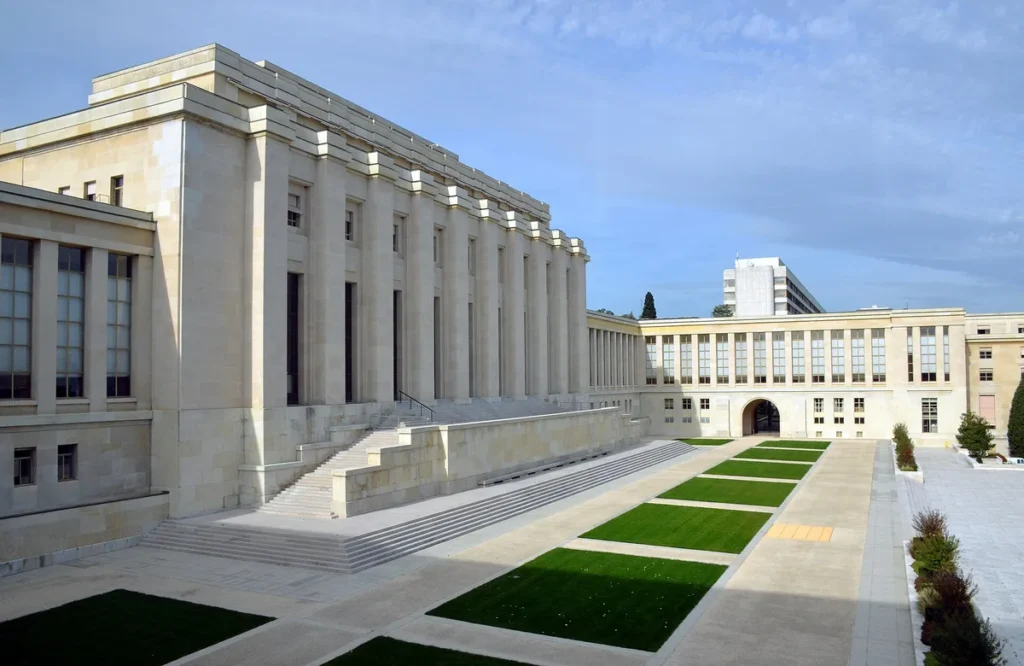
On 11 October 2026 India rejected remarks by the UN Office of the High Commissioner for Human Rights on events in New Delhi the day before. MEA said peaceful assembly is a constitutional right exercised subject to public order, courts are open to all, and the remarks were interference in internal affairs.
- Date
- 11 Oct 2026
- By
- MEA
- Target
- OHCHR remarks
- India's word
- "unacceptable interference"
Right to assembly and OHCHR: what happened?
When a UN human-rights office comments on events inside India, MEA usually replies the same way: our Constitution protects the right, our courts are open, and your comment is selective. This statement follows that pattern.
- India called remarks by the Office of the UN High Commissioner for Human Rights on the events of 10 October in New Delhi unwarranted and an unacceptable interference in internal affairs [MEA].
- MEA said the right to peaceful assembly is guaranteed by the Constitution and exercised subject to public order, with courts open to all [MEA].
What does the Constitution say on peaceful assembly?
- Article 19(1)(b): all citizens have the right to assemble peaceably and without arms.
- Article 19(3): the State may impose reasonable restrictions on this right in the interests of the sovereignty and integrity of India or public order.
- So the right exists, but limits for public order are also constitutional. MEA’s reply rests on this pairing.
Why does Right to assembly and OHCHR matter?
- Polity: Classic Article 19 question: right versus reasonable restriction.
- IR: Shows India’s line on outside comment: engage with UN bodies, but reject what it sees as selective criticism.
What can Prelims ask on Right to assembly and OHCHR?
- Article 19(1)(b): assemble peaceably and without arms; restrictions under Article 19(3).
- OHCHR is the UN office led by the High Commissioner for Human Rights.
Image: https://commons.wikimedia.org/wiki/File:Palace_of_Nations_Geneva_20102014_02.jpg
How to use this in Mains
If asked: The right to peaceful assembly is not absolute. Discuss with constitutional provisions. (GS-II)
Quote: “So the right exists, but limits for public order are also constitutional.”
Use it: A neat summary line just before your conclusion; it balances right and restriction.
Exam angle
Prelims: Article 19(1)(b) and 19(3). · Mains GS-II: fundamental rights; India and international human-rights bodies.
Practice MCQs
Original practice questions (not PYQs).
The right of citizens to assemble peaceably and without arms is in
Answer (b) & explanation
Article 19(1)(b); reasonable restrictions under Article 19(3) include public order.
Restrictions on the right to assemble can be imposed in the interests of
Answer (a) & explanation
Article 19(3) lists sovereignty and integrity of India and public order.
Questions students ask about this
Why did India reject the OHCHR remarks?
MEA said the right to peaceful assembly is constitutionally guaranteed, exercised subject to public order, courts are open to all, so the concerns were unwarranted interference.
Which Article guarantees the right to assemble?
Article 19(1)(b), subject to reasonable restrictions under Article 19(3).
What did MEA say about OHCHR's approach?
It accused the office of extreme selectivity and double standards.
Keep studying
Official source: MEA: Statement on remarks by OHCHR, 11 Oct 2026
facts from cited sources only; faculty review pending