
India–Bangladesh ties: tied by geography, divided by politics, and what New Delhi should learn
Next story · 23 OctHouthi attacks on Saudi Arabia: Indian killed at Dammam airport, 14 Indians on yacht safe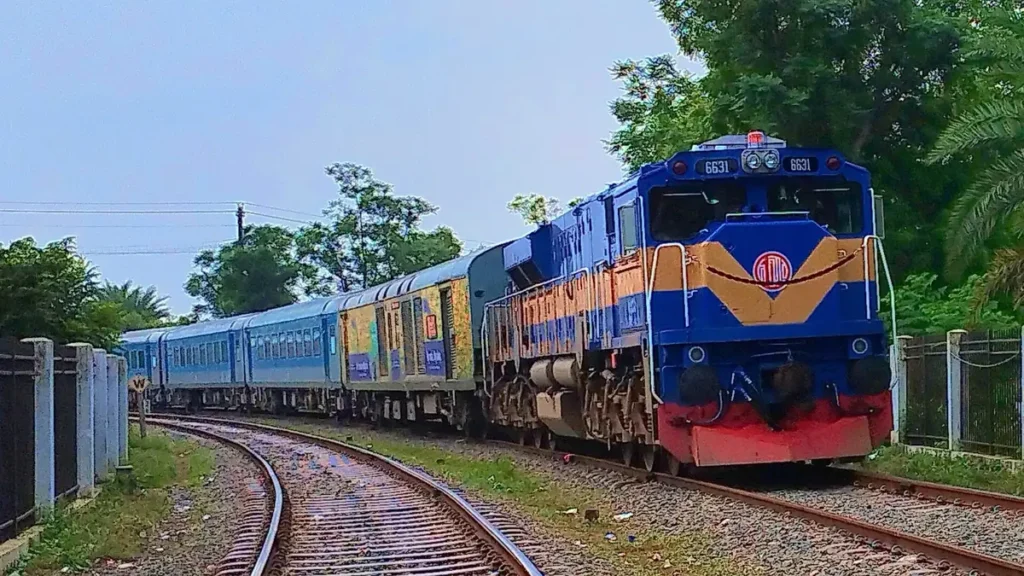
With Bangladesh’s new Prime Minister Tarique Rahman of the BNP expected to visit New Delhi in November or December, an op-ed in The Hindu (23 October 2026) looks at why ties keep swinging between warmth and suspicion. Its answer: gratitude for 1971 has turned into resentment, geography makes Bangladesh fear Indian dominance, and India tied itself too closely to Sheikh Hasina. The fix, it argues, is restraint, fair water sharing and a relationship built on national interest.
- Border
- Over 4,000 km
- BNP back
- February 2026
- Hasina ousted
- August 2024
- PM visit
- Nov–Dec (expected)
India–Bangladesh: what happened?
Picture a small house surrounded on three sides by a much bigger one, with the same rivers flowing through both yards. That is the geography this op-ed asks you to start from.
- 23 Oct 2026: an op-ed by Mohammed Ayoob in The Hindu assesses ties ahead of an expected visit by PM Tarique Rahman.
- The BNP returned to power in February 2026; functional engagement has resumed, but ‘substantial mutual suspicion’ remains.
- India’s refusal to extradite Sheikh Hasina, who fled to India in August 2024, remains a major irritant.
- The writer warns that repeatedly invoking 1971 can be counterproductive.
Why are ties so up and down?
- 1971: India’s decisive military role created gratitude, and later discomfort, as nations prefer to be authors of their own liberation.
- Geography: Bangladesh shares more than 4,000 km of border with India, and its main rivers rise in or flow through India.
- Politics: the Awami League favoured close ties; the BNP has been more suspicious of New Delhi.
- Under Ziaur Rahman, Bangladeshi nationalism was redefined in Islamic terms, and Dhaka reached out to Pakistan, China and the US.
How have phases of ties compared?
| Phase | Government in Dhaka | Tone of ties |
|---|---|---|
| 1971–75 | Sheikh Mujib (Awami League) | Warm |
| 1975–90s | Military and BNP governments | Distant |
| 2009–24 | Sheikh Hasina (Awami League) | Close: LBA 2015, connectivity, security |
| 2026– | Tarique Rahman (BNP) | Cautious re-engagement |
What agreements and laws matter?
- Land Boundary Agreement 1974, implemented through the Constitution (100th Amendment) Act, 2015, which swapped enclaves.
- Ganga Waters Treaty, 1996: a 30-year pact on sharing at Farakka, due to end in December 2026.
- India–Bangladesh Extradition Treaty, 2013: it has a political-offence exception.
- Maritime boundary settled by the Permanent Court of Arbitration in 2014.
What are the challenges?
- The Hasina extradition question.
- Teesta water sharing, still unsigned, and renewal of the Ganga treaty.
- Border killings, illegal migration and smuggling.
- China’s growing economic and defence footprint in Bangladesh.
What should be done?
- India should use its power with restraint and not demand gratitude or reciprocity.
- Renew the Ganga treaty and move on Teesta with West Bengal on board.
- Keep trade, power and rail links running, whoever is in power in Dhaka.
- Engage all parties in Bangladesh, not just one.
What can Prelims ask on India–Bangladesh?
- Bangladesh shares India’s longest land border (about 4,096 km).
- Indian States bordering Bangladesh: West Bengal, Assam, Meghalaya, Tripura, Mizoram.
- Ganga Waters Treaty: 1996, 30 years; Farakka Barrage.
- Land Boundary Agreement: 100th Constitutional Amendment, 2015.
- Maitree Express links Kolkata and Dhaka.
How to write about India–Bangladesh ties in Mains
Practice question (10 marks, 150 words): ‘Geography binds India and Bangladesh, but politics divides them.’ Discuss and suggest a way forward for India. (GS-II)
- Intro: BNP’s return, expected PM visit, 2026.
- Roots: 1971 memory, geography, party divide.
- Irritants: Hasina, water, border, China.
- Way forward: restraint, water treaties, multi-party engagement.
- Conclusion: interest, not gratitude, as the anchor.
Image: The Maitree Express (Dhaka–Kolkata) passing Poradah junction, Bangladesh. Md. Sakibul Hasan, Wikimedia Commons, CC BY-SA 4.0
How to use this in Mains
If asked: Examine the factors that shape Bangladesh’s attitude towards India. (GS-II)
Quote: “The seeds of their current tension lie in the liberation war of 1971 itself.”
Use it: Use it to open a history paragraph.
If asked: Suggest a way forward for India–Bangladesh relations. (GS-II)
Quote: “Gratitude is a transient sentiment; national interest especially when linked to issues of national identity is enduring.”
Use it: Quote it in your conclusion.
Exam angle
Prelims: border States, Ganga treaty, LBA (100th Amendment). · Mains GS-II: Neighbourhood First; India–Bangladesh.
Practice MCQs
Original practice questions (not PYQs).
Which of the following Indian States share a border with Bangladesh?
1. Assam
2. Manipur
3. Mizoram
4. Tripura
Select the correct answer using the code given below.
Answer (b) & explanation
West Bengal, Assam, Meghalaya, Tripura and Mizoram border Bangladesh. Manipur does not.
The India–Bangladesh Land Boundary Agreement was given effect by which Constitutional Amendment?
Answer (b) & explanation
The Constitution (100th Amendment) Act, 2015 gave effect to the LBA and the exchange of enclaves.
The Ganga Waters Treaty between India and Bangladesh was signed in
Answer (b) & explanation
The 30-year Ganga Waters Treaty on sharing at Farakka was signed in December 1996.
Questions students ask about this
Why does the op-ed say gratitude is not enough?
Because nations prefer to see themselves as authors of their own liberation; gratitude fades, interests last.
What is the main irritant now?
India’s refusal to extradite Sheikh Hasina.
Who leads Bangladesh now?
PM Tarique Rahman of the BNP, elected in February 2026.
Which water treaty is up for renewal?
The 1996 Ganga Waters Treaty, which runs for 30 years.
Keep studying
Go deeper
facts from cited sources only; faculty review pending