
Uttar Pradesh cracks down on colours in street food
Officials in Uttar Pradesh found non-food industrial dyes in chutney. So the State’s Food Safety and Drug Administration (FSDA) has issued detailed rules on food colours: where colours can be used, which ones are banned and how much is allowed. Street food, sweets, snacks and bakery items are the main focus before Diwali. Read it to revise banned dyes, the Food Safety and Standards Act, 2006 and who enforces food safety.
- Issued by
- U.P. Food Safety and Drug Administration
- Trigger
- Industrial dyes found in chutney
- Main banned dye
- Rhodamine-B
- Chutney rule
- No added colour at all
U.P.’s food colour rules: what happened?
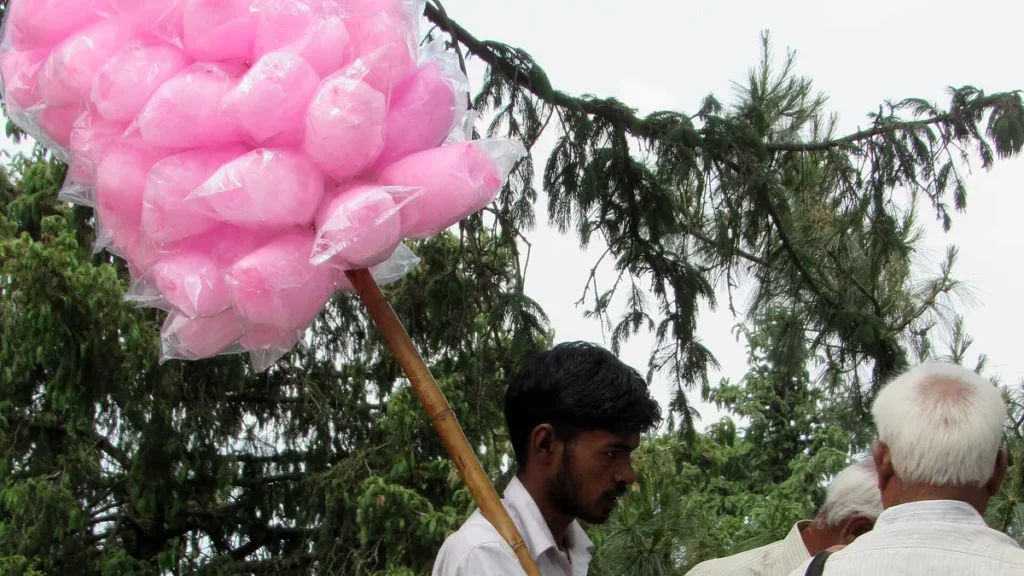
The bright pink of cotton candy or the deep red of a street chutney can come from a dye meant for cloth or paper. U.P. has now drawn a clear line on what colours can go into food.
- U.P. officials found non-food industrial dyes in chutney sold as street food.
- The FSDA issued detailed rules: where colours can be used, which are banned and how to measure them.
- Chutney: no colour may be added. Vendors should use natural ingredients like tomato, beetroot, coriander and mint.
- Banned: Rhodamine-B, a textile and paper dye used to make cotton candy pink and chutney red. Also banned: Metanil Yellow, Butter Yellow, Malachite Green, Auramine, Orange II and Sudan dyes.
- Health risks include toxic effects, possible liver and kidney damage and allergies. Long use of Rhodamine-B may cause cancer.
- Street food, sweets, snacks and bakery items are the main focus before Diwali.
Who keeps our food safe?
The Food Safety and Standards Act, 2006 is India’s main food law. It replaced older laws, including the Prevention of Food Adulteration Act, 1954.
It set up the Food Safety and Standards Authority of India (FSSAI), under the Ministry of Health and Family Welfare, which sets standards for food.
States enforce the law on the ground through a Commissioner of Food Safety and Food Safety Officers. In U.P., this is done by the FSDA.
Only a few synthetic colours are permitted in food, such as Tartrazine and Sunset Yellow (yellow), Carmoisine, Ponceau 4R and Erythrosine (red), Brilliant Blue and Indigo Carmine (blue) and Fast Green, and only in certain foods within set limits.
Allowed versus banned colours
| Type | Examples | Status |
|---|---|---|
| Natural colours | Turmeric, beetroot, tomato, coriander, mint | Safe; recommended |
| Permitted synthetic colours | Tartrazine, Sunset Yellow, Carmoisine, Ponceau 4R | Allowed only in some foods, within limits |
| Industrial dyes | Rhodamine-B, Metanil Yellow, Malachite Green, Sudan dyes | Banned in food |
Which laws and rules apply?
- Food Safety and Standards Act, 2006: India’s main food safety law.
- FSS (Food Products Standards and Food Additives) Regulations, 2011: list permitted colours and limits.
- Seventh Schedule, Concurrent List, Entry 18: adulteration of foodstuffs, so both Centre and States can make laws.
- Article 47: the State’s duty to improve public health.
Why does U.P.’s food colour rules matter?
| Angle | What to note |
|---|---|
| Public health | Industrial dyes can harm the liver and kidneys and may cause cancer. |
| Children | Bright street snacks are eaten most by children. |
| Festival season | Demand for sweets peaks before Diwali, and so does adulteration. |
| Enforcement | Food safety needs State action on the ground. |
What are the problems with U.P.’s food colour rules?
- Lakhs of street vendors are hard to inspect.
- Testing labs and Food Safety Officers are too few.
- Many vendors do not know which colours are banned.
- Fines are often too small to stop repeat offenders.
What should be done next on U.P.’s food colour rules?
- Run awareness drives for vendors and sweet shops, with simple charts of allowed colours.
- Set up mobile food testing vans in more districts.
- Train and register street vendors under FSSAI rules.
- Encourage natural colours and publish test results.
What can Prelims ask on U.P.’s food colour rules?
Prelims probability: Expect a question on food safety law: the Food Safety and Standards Act, 2006 replaced the Prevention of Food Adulteration Act, 1954, and adulteration is in the Concurrent List.
- FSSA, 2006 replaced the Prevention of Food Adulteration Act, 1954.
- Adulteration of foodstuffs: Concurrent List, Entry 18.
- FSSAI: under the Ministry of Health and Family Welfare.
- Rhodamine-B: industrial textile and paper dye; banned in food.
- Other banned dyes: Metanil Yellow, Malachite Green, Auramine, Sudan dyes.
How to write about U.P.’s food colour rules in Mains
Practice question (UPPCS GS-V, 8 marks, 125 words): Food adulteration remains a major public health risk in India, especially in street food. Discuss the challenges in enforcing food safety laws, with reference to Uttar Pradesh’s recent rules on food colours.
- Intro: industrial dyes found in chutney; FSDA rules.
- Law: FSSA 2006, FSSAI, State enforcement, Concurrent List.
- Challenges: huge informal sector, few labs and officers, low awareness, weak fines.
- Measures: awareness, mobile labs, vendor registration, natural colours.
- Conclusion: safe food is a basic public health right.
Ready lines for your answer
- No colour may be added to chutney; natural ingredients should be used (U.P. FSDA).
- Food safety is won at the street stall, not just in the rulebook.
Quotable data pointU.P.'s rules ban Rhodamine-B, Metanil Yellow, Butter Yellow, Malachite Green, Auramine, Orange II and Sudan dyes in food.
Exam angle
Prelims: FSSA 2006, Concurrent List entry, banned dyes. · Mains GS-II: public health, regulation of the informal sector.
Practice MCQs
Original practice questions (not PYQs).
Consider the following statements:
1. The Food Safety and Standards Act, 2006 replaced the Prevention of Food Adulteration Act, 1954.
2. Adulteration of foodstuffs is a subject in the State List.
3. Rhodamine-B is a permitted food colour.
How many of the above statements are correct?
Answer (a) & explanation
Only statement 1 is correct. Adulteration of foodstuffs is in the Concurrent List (Entry 18). Rhodamine-B is an industrial dye and is banned in food.
Which of the following is an industrial dye that is banned in food in India and has been used to give cotton candy a pink colour?
Answer (b) & explanation
Rhodamine-B is a textile and paper dye and is banned in food. Tartrazine, Carmoisine and Sunset Yellow are permitted synthetic food colours within limits.
Questions students ask about this
Why did U.P. issue new food colour rules?
Officials found non-food industrial dyes in chutney, so the FSDA issued rules on which colours are allowed, which are banned and how much can be used.
What is Rhodamine-B?
An industrial dye used for textiles and paper. It is banned in food and long use may cause cancer.
Can colour be added to chutney in U.P.?
No. Vendors should use natural ingredients like tomato, beetroot, coriander and mint.
Is food adulteration a State or Central subject?
It is in the Concurrent List (Entry 18), so both the Centre and the States can make laws on it.