
States get ₹1.09 lakh crore extra tax share
The Centre collects most of India’s taxes, but it must share a fixed part with the States. On 31 October it paid the States an extra ₹1,09,019 crore so they can spend more on roads, buildings and welfare before the festive season. Uttar Pradesh got the biggest share. Read it to revise the Finance Commission, the divisible pool and tax devolution.
- Extra release
- ₹1,09,019 crore, 31 October 2026
- Largest share
- Uttar Pradesh, ₹19,208 crore
- States’ share
- 41% of the divisible pool
- Paid in
- 14 instalments a year
The extra tax devolution: what happened?
States run schools, hospitals, police and most roads, but the biggest taxes, like income tax and corporation tax, are collected by the Centre. Tax devolution is the bridge between the two.
- The Ministry of Finance released ₹1,09,019 crore to State governments on 31 October 2026, over and above the regular monthly payment.
- It is the second additional instalment in this financial year.
- The aim is to help States speed up capital spending and pay for development and welfare work.
- Uttar Pradesh got the largest share, ₹19,208 crore.
- Normally, 41% of the shareable taxes the Centre collects is passed to States in 14 instalments a year.
How are taxes shared between the Centre and the States?
The Constitution gives the Centre the biggest taxes but gives States most of the spending duties. This gap is called vertical imbalance.
To fix it, Article 270 says taxes collected by the Centre form a “divisible pool” to be shared with States. Cesses and surcharges are not part of this pool.
The Finance Commission, set up by the President every five years under Article 280, recommends what share of the pool goes to States (vertical sharing) and how it is split among States (horizontal sharing).
The split among States uses factors like population, area, forest cover and income distance, so poorer and bigger States get more. That is why Uttar Pradesh, with the largest population, gets the largest share.
What do the key terms mean?
| Term | Meaning | Example |
|---|---|---|
| Divisible pool | Central taxes that are shared | Income tax, corporation tax, central GST |
| Vertical sharing | Centre-to-States share | 41% to States |
| Horizontal sharing | Split among States | Uttar Pradesh gets the most |
Which laws and Articles apply?
- Article 270: sharing of taxes between the Union and the States.
- Article 280: the Finance Commission, set up every five years by the President.
- Article 275: grants-in-aid to States.
- Article 282: discretionary grants for any public purpose.
Why does the extra tax devolution matter?
| Angle | What to note |
|---|---|
| Federalism | Shows how money moves from the Centre to the States. |
| Growth | Capital spending on roads and buildings creates jobs. |
| Uttar Pradesh | The State gets the biggest share, ₹19,208 crore. |
| Planning | Advance money helps States plan spending in time. |
What are the problems with the extra tax devolution?
- Cesses and surcharges are kept out of the divisible pool, which shrinks what States get.
- Advance releases help in the short term but do not raise States’ total share.
- Richer States say they get back less than they contribute.
- States depend heavily on the Centre for money.
What should be done next on the extra tax devolution?
- Bring more cesses and surcharges into the divisible pool.
- Help States raise their own revenue, such as property tax.
- Make the timing of releases predictable.
- Link extra money to good-quality capital spending.
What can Prelims ask on the extra tax devolution?
Prelims probability: Expect a question on the Finance Commission under Article 280: set up by the President every five years; it decides the States’ share of Union taxes.
- Finance Commission: Article 280; set up by the President every five years.
- Divisible pool: Article 270; excludes cesses and surcharges.
- States get 41% of the divisible pool, paid in 14 instalments a year.
- Uttar Pradesh gets the largest share of tax devolution.
- Grants-in-aid: Article 275; discretionary grants: Article 282.
How to write about the extra tax devolution in Mains
Practice question (15 marks, 250 words): Explain how tax devolution reduces the gap between the revenue and spending of States. What problems remain?
- Intro: ₹1,09,019 crore extra release on 31 October.
- Vertical imbalance; divisible pool; Finance Commission.
- Criteria for sharing; Uttar Pradesh’s large share.
- Problems: cesses outside the pool, dependence.
- Conclusion: fair, predictable sharing and stronger own revenue.
Ready lines for your answer
- Tax devolution is the backbone of cooperative federalism.
- Cesses outside the pool quietly shrink the States' share.
Quotable data pointUttar Pradesh got ₹19,208 crore of the ₹1,09,019 crore extra release.
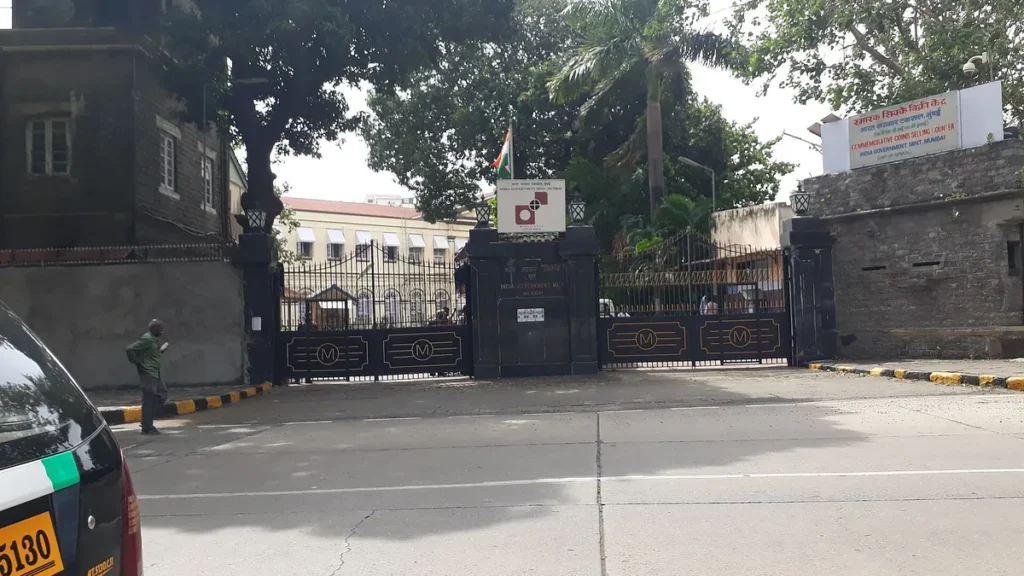
Photo: Pinakpani, CC BY-SA 4.0, via Wikimedia Commons
Exam angle
Prelims: Articles 270, 280, divisible pool, 41% share. · Mains GS-II: fiscal federalism and Centre-State relations.
Practice MCQs
Original practice questions (not PYQs).
The Finance Commission of India is set up under which Article of the Constitution?
Answer (a) & explanation
Article 280 provides for a Finance Commission every five years to recommend how Union taxes are shared with the States.
Consider the following statements:
1. The Centre released an extra ₹1,09,019 crore in tax devolution on 31 October 2026.
2. Uttar Pradesh received the largest share of this release.
3. Cesses and surcharges are part of the divisible pool shared with States.
How many of the above statements are correct?
Answer (b) & explanation
Statements 1 and 2 are correct. Cesses and surcharges are kept outside the divisible pool, so States do not get a share of them.
Questions students ask about this
How much extra money did the Centre release to States on 31 October 2026?
₹1,09,019 crore, as an additional instalment of tax devolution.
Which State got the largest share?
Uttar Pradesh, with ₹19,208 crore.
What share of central taxes goes to States?
41% of the divisible pool, paid in 14 instalments a year.
Which Article deals with the Finance Commission?
Article 280.