
Government can now step in on airfares in emergencies
The Centre has notified new rules that let it step in on airfares during ‘extraordinary situations’. Airlines must also show passengers the full break-up of every fare. Fares still stay market-driven in normal times. Read it to revise the Bharatiya Vayuyan Adhiniyam, 2024, the role of the aviation regulator and the Montreal Convention.
- Law
- Bharatiya Vayuyan Adhiniyam, 2024
- Notified
- 31 October 2026
- New power
- Fare directions in emergencies
- Regulator
- DGCA
The new airfare rules: what happened?
When a crisis hits, a ticket that cost ₹5,000 can suddenly cost ₹25,000. The new rules give the government a way to step in at such moments.
- The Centre notified rules under the Bharatiya Vayuyan Adhiniyam, 2024 on 31 October.
- The government can now direct airlines on fares in ‘extraordinary situations’; the term is not defined.
- Airlines must show passengers the full fare break-up, with taxes, fees and refund terms.
- Tariffs are filed with the Directorate General of Civil Aviation and shown online.
How are airfares set in India?
Airfares in India are market-driven. Airlines set their own prices since the Air Corporations Act was repealed in 1994, which ended the state monopoly on flying.
The government has capped fares before only in special times: during COVID-19, and after IndiGo’s meltdown last December, when nearly 5,000 flights were cancelled.
The Bharatiya Vayuyan Adhiniyam, 2024 replaced the Aircraft Act, 1934. The new rules now give the emergency power a clear legal base.
What has changed?
| Point | Before | Now |
|---|---|---|
| Fare setting | Market-driven | Still market-driven |
| Emergency power | Ad hoc caps | Written power in rules |
| Fare break-up | Not always clear | Full break-up shown |
| Law | Aircraft Act, 1934 | Bharatiya Vayuyan Adhiniyam, 2024 |
Which laws and Articles apply?
- Bharatiya Vayuyan Adhiniyam, 2024: replaced the Aircraft Act, 1934.
- Directorate General of Civil Aviation: regulator for safety and tariff filing.
- Air Corporations Act repealed in 1994: opened the skies to private airlines.
- Montreal Convention, 1999: strict airline liability for death, injury, delay and baggage on international flights.
Why does the new airfare rules matter?
| Angle | What to note |
|---|---|
| Consumer rights | Clear fare break-ups help passengers compare. |
| Market vs state | Free pricing in normal times, control in a crisis. |
| Vague power | ‘Extraordinary situation’ is not defined. |
| Aviation growth | Too much control can scare away investment. |
What are the problems with the new airfare rules?
- ‘Extraordinary situation’ is not defined, so the power can be used widely.
- Fare caps can cut airline income and reduce seats.
- Surge pricing in festivals and crises may still continue.
- Passengers rarely know how to complain about fares.
What should be done next on the new airfare rules?
- Define ‘extraordinary situation’ in clear words.
- Set a time limit for any fare direction.
- Publish fare data so prices can be checked.
- Strengthen passenger complaint systems.
What can Prelims ask on the new airfare rules?
Prelims probability: Expect a question on the Montreal Convention (strict airline liability) or the Bharatiya Vayuyan Adhiniyam, 2024, which replaced the Aircraft Act, 1934.
- Bharatiya Vayuyan Adhiniyam, 2024 replaced the Aircraft Act, 1934.
- Airfares are market-driven since 1994.
- DGCA is the civil aviation regulator.
- Montreal Convention, 1999: strict liability of airlines.
- Fares were capped during COVID-19.
How to write about the new airfare rules in Mains
Practice question (15 marks, 250 words): Should the government regulate airfares in a deregulated market? Discuss with reference to the new rules.
- Intro: rules of 31 October.
- For: protect passengers in crises.
- Against: market freedom, investment.
- Balance: clear definition, time limits.
- Conclusion: light-touch, transparent control.
Ready lines for your answer
- Free fares in normal times, fair fares in a crisis.
- A power without a definition is a power without a limit.
Quotable data pointNearly 5,000 flights were cancelled in IndiGo's meltdown last December.
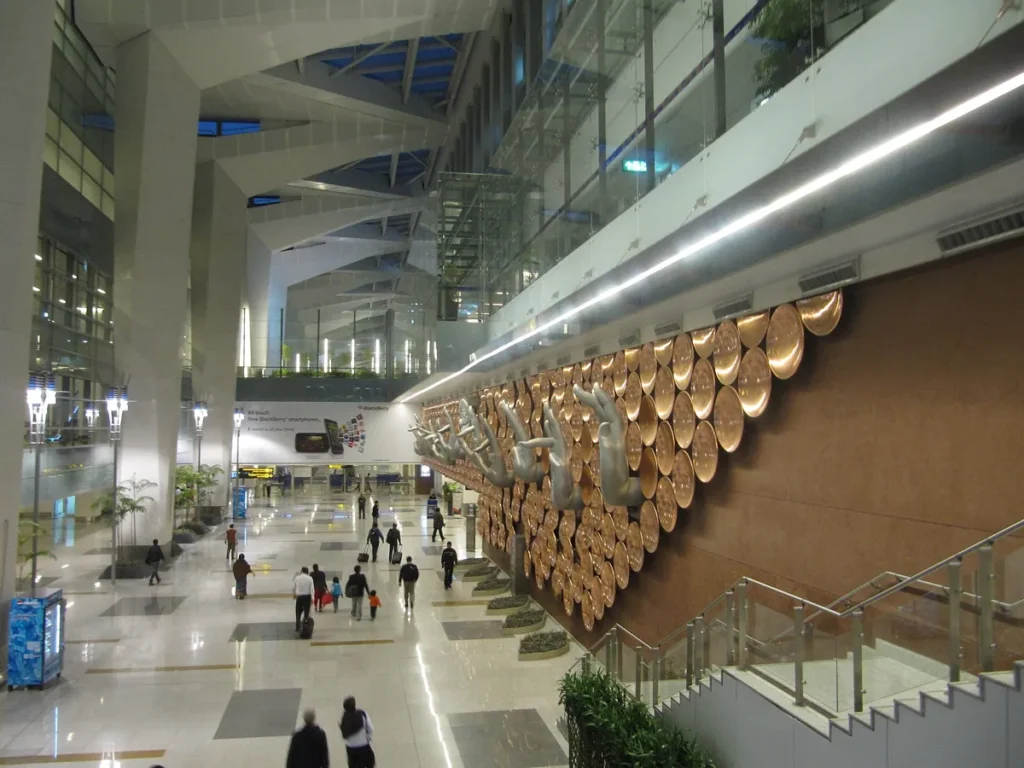
Photo: PDXDUS, CC0, via Wikimedia Commons
Exam angle
Prelims: Bharatiya Vayuyan Adhiniyam, Montreal Convention. · Mains GS-II/III: regulation and consumer protection.
Practice MCQs
Original practice questions (not PYQs).
The Bharatiya Vayuyan Adhiniyam, 2024, under which new airfare rules have been notified, replaced which of the following laws?
Answer (a) & explanation
The Bharatiya Vayuyan Adhiniyam, 2024 replaced the Aircraft Act, 1934. The Air Corporations Act was repealed in 1994, which ended state control over airfares.
Consider the following statements:
1. Under the new rules, the Union government can issue written directions to airlines on fares during 'extraordinary situations'.
2. The rules define 'extraordinary situations' as natural disasters and wars only.
3. Airfares in India have been market-driven since the repeal of the Air Corporations Act in 1994.
How many of the above statements are correct?
Answer (b) & explanation
Statements 1 and 3 are correct. The rules do not define 'extraordinary situations' at all, which is one of the main concerns.
The Montreal Convention, 1999, often seen in news about air travel, deals with:
Answer (a) & explanation
The Montreal Convention, 1999 makes airlines strictly liable to compensate passengers' families for death or injury without proof of fault. India is a party to it.
Questions students ask about this
Can the government now fix airfares?
Only in 'extraordinary situations'. In normal times fares stay market-driven.
Which law are the new rules under?
The Bharatiya Vayuyan Adhiniyam, 2024, which replaced the Aircraft Act, 1934.
What must airlines show passengers?
The full fare break-up, with taxes, fees and refund terms.
What is the Montreal Convention?
A 1999 treaty that makes airlines strictly liable for death, injury, delay and baggage loss on international flights.