
Antimicrobials to come under “New Drug” rules
The Union Health Ministry has proposed to amend the New Drugs and Clinical Trials Rules, 2019, so that antimicrobials are added to the definition of “New Drug”. Makers would first need permission from the Central Licensing Authority before applying for a manufacturing licence from a State. The worry is that licences were given without studies such as bioavailability, bioequivalence and stability. Antimicrobial resistance, when germs stop responding to medicines, is growing, and a report of the Indian Council of Medical Research found antibiotic resistance even in smaller hospitals. Read it to revise antimicrobial resistance, the Drugs and Cosmetics Act, 1940 and India’s drug regulator.
- The proposal
- Add antimicrobials to the definition of “New Drug” in the New Drugs and Clinical Trials Rules, 2019
- The change
- Central Licensing Authority permission first, then a State licence
- The worry
- Licences given without bioavailability, bioequivalence and stability studies
- The bigger risk
- Antibiotic resistance found even in smaller hospitals
Why does the Health Ministry want tighter rules for antimicrobials?
Antibiotics save lives only as long as germs stay weak against them. Loose licensing and misuse are wearing that protection down.
- The Union Health Ministry has proposed to amend the New Drugs and Clinical Trials Rules, 2019.
- Antimicrobials would be added to the definition of “New Drug”.
- Makers would first need permission from the Central Licensing Authority before a State licence.
- The worry: licences were given without studies such as bioavailability, bioequivalence and stability.
What is antimicrobial resistance, and who regulates drugs?
Antimicrobial resistance happens when bacteria, viruses, fungi or parasites stop responding to medicines. Misuse and overuse speed it up.
Drugs are regulated under the Drugs and Cosmetics Act, 1940.
The central regulator is the Central Drugs Standard Control Organisation, headed by the Drugs Controller General of India.
A report of the Indian Council of Medical Research found antibiotic resistance even in smaller hospitals.
Previous year questions linked to this story
UPSC Prelims 2019
Which of the following are the reasons for the occurrence of multi-drug resistance in microbial pathogens in India?
1. Genetic predisposition of some people
2. Taking incorrect doses of antibiotics to cure diseases
3. Using antibiotics in livestock farming
4. Multiple chronic diseases in some people
Select the correct answer using the code given below.
Answer: (b)
UPSC Mains 2014 (General Studies Paper 3)
Can overuse and free availability of antibiotics without Doctor’s prescription, be contributors to the emergence of drug-resistant diseases in India? What are the available mechanisms for monitoring and control? Critically discuss the various issues involved.
What can Prelims ask on this story?
Prelims probability: Medium. Antimicrobial resistance is a recurring theme; the “New Drug” definition is a new testable hook.
- Amendment to the New Drugs and Clinical Trials Rules, 2019.
- Central Licensing Authority permission before a State licence.
- Drugs and Cosmetics Act, 1940; Drugs Controller General of India heads the central regulator.
How to write about this story in Mains
Practice question (15 marks, 250 words): The Union Health Ministry plans to bring antimicrobials under the “New Drug” rules. Discuss the drivers of antimicrobial resistance in India and how regulation can help contain it.
- Open with the proposal and the licensing gap it closes.
- Explain antimicrobial resistance and its drivers: wrong doses, over-the-counter sales and use in livestock.
- Describe the legal set-up: the 1940 Act, the 2019 Rules and the central regulator.
- Suggest prescription audits, surveillance in hospitals and limits on use in animal farming.
Ready lines for your answer
- A licence without proper studies is a gap that resistant germs can use.
- Tighter approval is one step; careful prescribing is the other.
Quotable data pointThe Hindu, 20 November 2026: proposed amendment to the New Drugs and Clinical Trials Rules, 2019; Central Licensing Authority permission before a State licence.
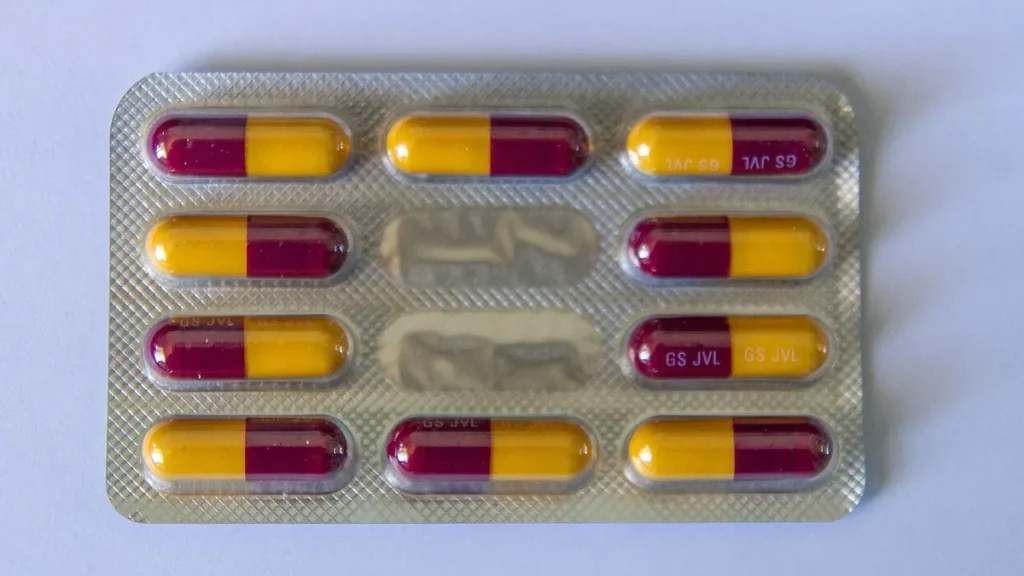
Photo: Maksym Kozlenko, CC BY-SA 4.0, via Wikimedia Commons
Exam angle
Prelims: the 2019 Rules, the 1940 Act and the regulator. · Mains GS-II and GS-III: health regulation and antimicrobial resistance.
Practice MCQs
Original practice questions (not PYQs).
The Union Health Ministry's November 2026 proposal to add antimicrobials to the definition of “New Drug” amends the
Answer (d) & explanation
The proposal amends the New Drugs and Clinical Trials Rules, 2019. Makers would need Central Licensing Authority permission before applying for a State manufacturing licence.
Consider the following statements:
1. Antimicrobial resistance can develop in bacteria, viruses, fungi and parasites.
2. The Central Drugs Standard Control Organisation is headed by the Drugs Controller General of India.
3. Under the proposal, makers of antimicrobials would need permission from the Central Licensing Authority before getting a State licence.
How many of the above statements are correct?
Answer (c) & explanation
All three statements are correct.