
Small unregistered businesses add jobs fast, says survey
Small shops, repair units, tailors and street businesses that are not registered as companies form the unincorporated sector. They employ crores of people. The National Statistics Office has released its quarterly data on this sector for July to September 2026. The number of such businesses rose 18.81% in a year, to about 9.47 crore. Urban areas grew faster, by 22%. Jobs in the sector rose 16.86% to about 15.03 crore. Other services, such as repairs and personal services, grew the most, by 33%. Women now make up over 31% of workers, up from 28.7% a year ago. About 62% of workers are owners working for themselves. Hired workers rose only about 5%. About 80% of businesses accept cashless payments, and 43% now have some registration, up over six points. Read it to revise the informal sector, self-employment and why a rise in units is not the same as a rise in hired jobs.
- Businesses
- About 9.47 crore, up 18.81% in a year; urban growth 22%
- Jobs
- About 15.03 crore, up 16.86%; other services up 33%
- Women and owners
- Women over 31% of workers; about 62% are working owners
- Payments and papers
- About 80% accept cashless payments; 43% have some registration
What does the July–September 2026 bulletin show?
A small shop that is not a company can still be a job, a livelihood and a data point. The new quarterly bulletin says there are more such businesses, and more workers in them, than a year ago.
- Small shops, repair units, tailors and street businesses that are not registered as companies form the unincorporated sector. They employ crores of people.
- The National Statistics Office released its quarterly data on this sector for July to September 2026.
- The number of such businesses rose 18.81% in a year, to about 9.47 crore. Urban areas grew faster, by 22%.
- Jobs in the sector rose 16.86% to about 15.03 crore. Other services, such as repairs and personal services, grew the most, by 33%.
- Women now make up over 31% of workers, up from 28.7% a year ago. About 62% of workers are owners working for themselves. Hired workers rose only about 5%.
- About 80% of businesses accept cashless payments, and 43% now have some registration, up over six points.
What is the unincorporated sector, and what should a reader not read into the rise?
The unincorporated non-agricultural sector is the world of businesses that are not registered as companies: a kirana shop, a tailor, a repair stall, a small eatery, a personal-service unit. It is a large part of Indian employment, and it is often called the informal sector in exam answers, though the official bulletin uses the narrower phrase.
The National Statistics Office, in the Ministry of Statistics and Programme Implementation, now releases a quarterly bulletin on these enterprises. The July–September 2026 figures are the ones in this story. They are estimates for a quarter, not a census of every stall.
The number of establishments rose 18.81% in a year to about 9.47 crore, with urban areas growing 22%. Employment rose 16.86% to about 15.03 crore. Other services grew the most, by 33%. Women now make up over 31% of workers, up from 28.7%.
The structure of work matters as much as the totals. About 62% of workers are working owners — people running their own unit. Hired workers rose only about 5%. A boom in self-employment is not the same thing as a boom in paid jobs with an employer.
Two modern details are useful for Prelims. About 80% of these businesses accept cashless payments, and 43% now have some form of registration, up over six points. “Some registration” is not the same as being registered as a company. Schemes such as MUDRA loans for small entrepreneurs and the Atal Pension Yojana for workers in the unorganised sector are the policy frame students are often asked to recall beside such data, but this bulletin itself is a count of units and workers, not an evaluation of those schemes.
July–September 2026 bulletin at a glance
| Item | The figure |
|---|---|
| Establishments | About 9.47 crore, up 18.81% in a year |
| Urban growth in units | 22% |
| Workers | About 15.03 crore, up 16.86% |
| Other services | Jobs up 33% |
| Women’s share of workers | Over 31%, up from 28.7% |
| Working owners | About 62% of workers |
Which office, ideas and schemes sit beside this survey?
- The bulletin is released by the National Statistics Office, under the Ministry of Statistics and Programme Implementation.
- These are unincorporated non-agricultural enterprises: businesses not registered as companies.
- About 62% of workers are working owners. A rise in units can therefore be a rise in self-employment more than in hired work.
- MUDRA is the main central scheme often cited for small entrepreneurs. The Atal Pension Yojana is a pension scheme aimed at workers in the unorganised sector. This bulletin does not itself measure those schemes.
- About 80% of the establishments accept cashless payments, a useful link to the wider digital-payments story.
Why does the new quarterly survey of unregistered businesses matter?
| Angle | What to note |
|---|---|
| Prelims | 9.47 crore units, 15.03 crore workers, 18.81% and 16.86% growth, women over 31%, 62% working owners, 80% cashless. |
| GS-III: employment | A fast rise in units and in self-employment, with hired workers up only about 5%. |
| Inclusion | Women’s share of workers has risen from 28.7% to over 31%. |
| Formalisation | 43% now have some registration, up over six points, which is not the same as company registration. |
What are the problems with the new quarterly survey of unregistered businesses?
- A quarterly estimate is not a complete count of every stall, and a one-year jump should be read with that caution.
- Hired workers rose only about 5%, so the employment story is more about owners than about paid staff.
- “Some registration” for 43% of units is a limited kind of formalisation, not a claim that the informal sector has become formal.
- Cashless payments in 80% of units tell us about payment tools, not about the security or income of the people who work there.
What should be done next on the new quarterly survey of unregistered businesses?
- Keep the official totals exact: 9.47 crore establishments, 15.03 crore workers, and the July–September 2026 quarter.
- Remember who releases the bulletin: the National Statistics Office.
- Do not confuse a rise in working owners with a similar rise in hired jobs.
- Use MUDRA and the Atal Pension Yojana only as the surrounding policy frame, not as findings of this survey.
What can Prelims ask on the new quarterly survey of unregistered businesses?
Prelims probability: Medium. Schemes for small entrepreneurs and unorganised workers were asked in 2016. Survey data is a frequent Prelims source. Testable facts: 9.47 crore establishments, 15.03 crore workers, women over 31%, released by the National Statistics Office.
- The July–September 2026 bulletin is released by the National Statistics Office.
- Unincorporated non-agricultural businesses rose 18.81% in a year to about 9.47 crore; urban areas grew 22%.
- Employment rose 16.86% to about 15.03 crore. Other services grew the most, by 33%.
- Women make up over 31% of workers, up from 28.7% a year ago.
- About 62% of workers are working owners. Hired workers rose only about 5%.
- About 80% of businesses accept cashless payments, and 43% now have some registration, up over six points.
How to write about the new quarterly survey of unregistered businesses in Mains
Practice question (15 marks, 250 words): The National Statistics Office reports a sharp rise in unincorporated businesses and in the workers they employ. Discuss what the figures show about informal employment in India, including self-employment and women’s share of work.
- Open with what the sector is: shops, repair units and other businesses not registered as companies.
- Give the headline counts: 9.47 crore establishments, up 18.81%; 15.03 crore workers, up 16.86%; urban units up 22%; other services up 33%.
- Point to composition: women over 31%, about 62% working owners, hired workers up only about 5%.
- Add the modern details: about 80% cashless, 43% with some registration.
- Close with the limits of the story: a rise in units is not automatically a rise in regular hired jobs, and a quarterly bulletin is an estimate.
Ready lines for your answer
- A new stall can be a livelihood and still not be a hired job.
- The informal sector is large enough that a change in its count moves the national employment picture, even if each unit is small.
Quotable data pointNSO quarterly bulletin, July–September 2026 (PIB): 9.47 crore establishments (+18.81%); 15.03 crore workers (+16.86%); women over 31%; 62% working owners; 80% cashless; 43% with some registration.
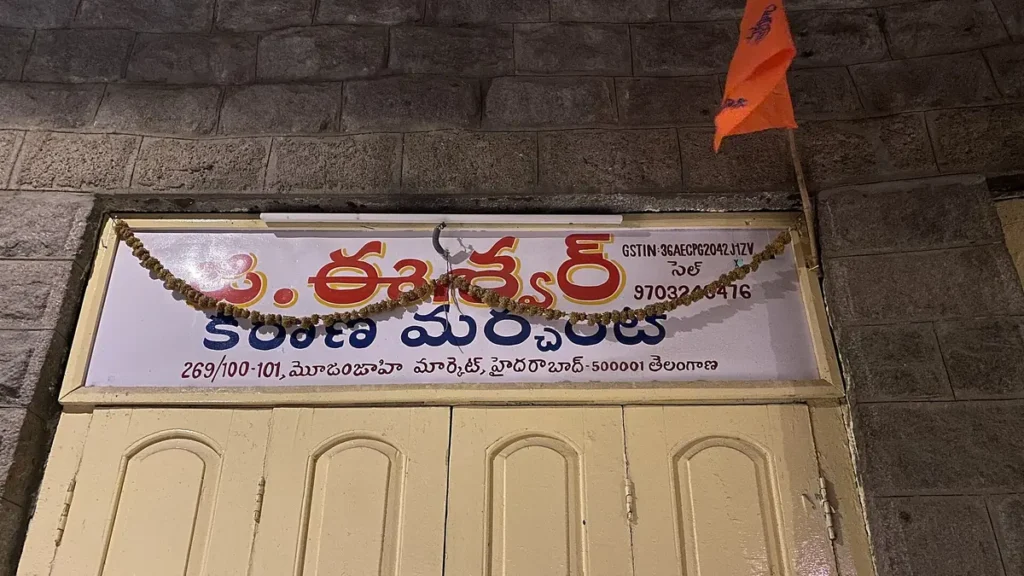
Photo: Mouryan, CC BY-SA 4.0, via Wikimedia Commons
Exam angle
Prelims: 9.47 crore establishments, 15.03 crore workers, women over 31%, and the National Statistics Office as the source. · Mains GS-III: informal employment, self-employment and the gap between more units and more hired jobs.
Practice MCQs
Original practice questions (not PYQs).
The quarterly estimates of unincorporated non-agricultural sector enterprises are released by
Answer (a) & explanation
The Quarterly Bulletin on Unincorporated Sector Enterprises is released by the National Statistics Office of the Ministry of Statistics and Programme Implementation.
Consider the following statements:
1. Women make up over 31% of workers in the unincorporated non-agricultural sector.
2. Working owners form the largest share of workers in the sector.
3. About 80% of these establishments use cashless modes of payment.
How many of the above statements are correct?
Answer (c) & explanation
All three are correct as per the July to September 2026 bulletin; working owners are about 62% of workers.
Questions students ask about this
How many unincorporated non-agricultural businesses does the bulletin count?
About 9.47 crore, up 18.81% in a year.
How many people work in the sector?
About 15.03 crore, up 16.86%.
Who releases the figures?
The National Statistics Office, for the July to September 2026 quarter.
What share of the workers are women, and what share are working owners?
Women make up over 31% of workers. About 62% of workers are owners working for themselves.
How common are cashless payments and registration?
About 80% of businesses accept cashless payments, and 43% now have some registration, up over six points.