
UPSC Mains 2023 GS1 Q19: model answer
Why is caste identity in India both fluid and static?
What the question wants
Explain the forces that make caste change (fluid) and the forces that keep it rigid (static).
How to structure it
Intro: caste as hereditary, endogamous group; Srinivas's observations. Body: (1) Fluid: Sanskritisation, Westernisation, urbanisation, education and jobs, reservation creating new elites, inter-caste marriage, caste associations turning into interest groups, changing categories (OBC lists); (2) Static: endogamy, honour killings, caste-based violence, politics of caste, residential segregation, manual scavenging, matrimonial ads. Conclusion: caste changes form but not its core; constitutional morality the answer.
- 1(1) Fluid: Sanskritisation, Westernisation, urbanisation, education and jobs, reservation creating new elites, inter-caste marriage, caste associations turning into interest groups, changing categories (OBC lists)
- 2(2) Static: endogamy, honour killings, caste-based violence, politics of caste, residential segregation, manual scavenging, matrimonial ads
Model answer
Caste is a hereditary, endogamous status group. It has proved both adaptable and stubborn.
- Sanskritisation
- Urban jobs and education
- New political elites
- Caste associations as interest groups
- Endogamy (about 95% of marriages)
- Atrocities and honour killings
- Occupational stigma
- Residential segregation
Why it is fluid
- Sanskritisation: lower castes adopted upper-caste customs to rise, as M.N. Srinivas showed.
- Westernisation and urbanisation: cities, trains and offices mix people; occupation is no longer tied to caste.
- Education and jobs: new professional identities cut across caste.
- Reservation and politics: dominant castes in villages and new Dalit and OBC elites emerged; castes demand inclusion in or exclusion from lists (Jats, Marathas, Patidars).
- Caste associations act as interest groups, a horizontal rather than ritual identity.
- Inter-caste marriage is slowly increasing.
Why it is static
- Endogamy: about 95% of marriages remain within caste.
- Violence: honour killings and atrocities persist; NCRB records thousands of cases under the SC/ST (Prevention of Atrocities) Act each year.
- Occupational stigma: manual scavenging is still mostly done by Dalits.
- Residential segregation in villages and even city housing.
- Political mobilisation by caste keeps identities sharp.
- Matrimonial ads and community networks.
Why both together
Caste has shifted from a ritual hierarchy to a political and social identity. Its external markers change, but birth-based belonging and endogamy keep its core intact.
The Constitution's promise of equality (Articles 15, 17) and economic mobility can loosen it further, but social reform must reach the family and marriage.
Keywords, cases and data to drop in
Sanskritisation dominant caste endogamy caste associations Article 17
Where most answers lose marks
- Writing only that caste is declining.
- No sociological concepts.
Fresh examples from current affairs
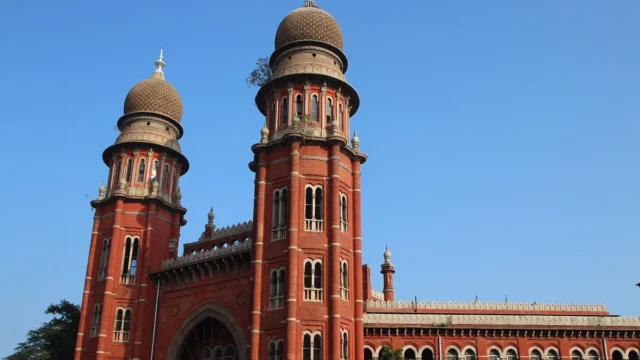
Conversion does not carry over a quota: Supreme Court on Tamil Nadu’s BC Muslim certificates
On 15 October 2026, in The Secretary to Government v. Sameer Ahamed N., the Supreme Court upheld the Madras High Court’s quashing of a 2024 Tamil Nadu order. That order let converts to Islam from Backward, Most Backward, Denotified and Scheduled Caste communities get Backward Class Muslim certificates and use the 3.5% BC Muslim quota. The Court said conversion to Islam does not by itself make a person a member of any of the seven notified BC Muslim communities.
UPSC angle: Prelims: Articles 15(4), 16(4), 341, 342A; SC Order 1950. · Mains GS-II: conversion and reservation debate.
21 Oct 2026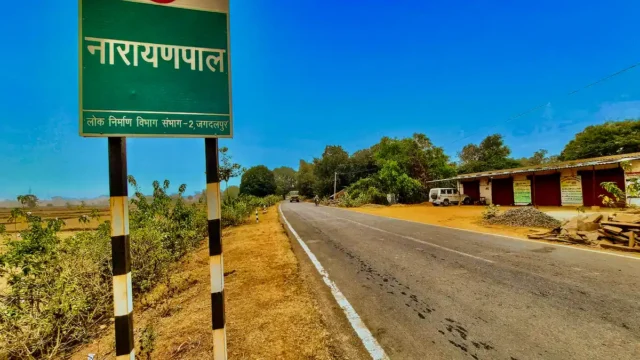
Forest Rights Act: second regional review conference for eight eastern and central States
On 9 October 2026 the Tribal Affairs Ministry held the second regional review of the Forest Rights Act, 2006 in Kolkata with eight States. Nationally, over 54 lakh claims have been filed, about 25 lakh titles given, about 11 lakh are pending and over 18 lakh rejected. The focus is quick disposal, record updating, CFR rights and PVTG habitat rights.
UPSC angle: Prelims: FRA provisions, PVTG habitat rights. · Mains GS-II: welfare of STs; GS-III: forest governance.
10 Oct 2026
FRA digital platform: all SIH finalists brought in
Most FRA disputes come from missing or poor records. Digitisation helps only if claimants can see and track their files.
UPSC angle: Prelims: FRA 2006.
6 Jan 2026
Constitution published in Santhali for the first time
Reading the Constitution in one's own language is part of legal literacy. Tribal languages have had little official material so far.
UPSC angle: Prelims: Eighth Schedule, Ol Chiki.
25 Dec 2025Learn the concept
Question text as printed in the official UPSC question paper: https://www.upsc.gov.in/sites/default/files/QP-CSM-23-GENERAL-STUDIES-PAPER-I-180923.pdf The model answer is original Battle IAS work; use it to learn structure, not to memorise.