
Chapter 9 · Topic 9.3 · Prelims + Mains3 of 3
UNESCO World Heritage Sites: Intangible cultural heritage
Key points
- Intangible heritage.
1 PYQ 2015–2024
Prelims box: facts and traps
| Year | Elements |
|---|---|
| 2008 | Vedic chanting; Ramlila; Kutiyattam |
| 2009 | Ramman (Garhwal) |
| 2010 | Mudiyettu; Kalbelia (Rajasthan); Chhau |
| 2012 | Buddhist chanting of Ladakh |
| 2013 | Sankirtana of Manipur |
| 2014 | Thatheras (brass and copper craft) of Jandiala Guru, Punjab |
| 2016 | Yoga; Navroz (multinational, re-inscribed 2024) |
| 2017 | Kumbh Mela |
| 2021 | Durga Puja in Kolkata |
| 2023 | Garba of Gujarat |
| 2025 | Deepavali (inscribed at the Red Fort session, New Delhi). |
- India has 16 elements on the Representative List; the Sangeet Natak Akademi keeps the national inventory.
- The Red Fort Complex covers the Red Fort (Lal Qila) of Shahjahanabad, built from 1639 to 1648, and the adjoining Salimgarh Fort, built in 1546 by Islam Shah Suri (Salim Shah), son of Sher Shah, on an island of the Yamuna.
Intangible cultural heritage
The 2003 UNESCO Convention protects living heritage. India has 16 elements on the Representative List; the Sangeet Natak Akademi keeps the national inventory.
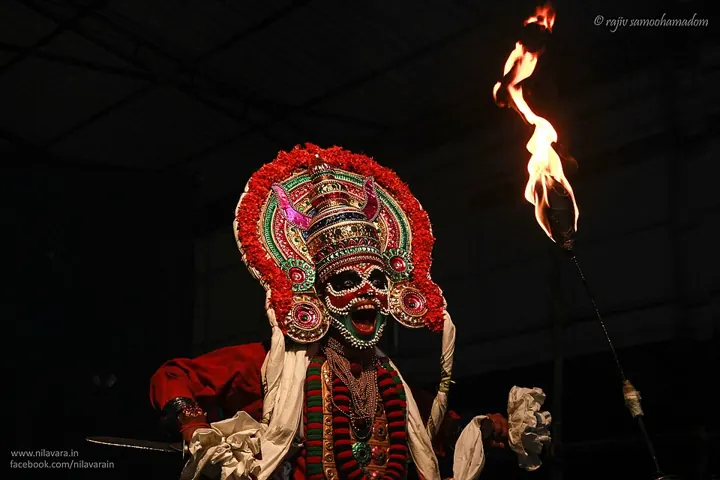
| Year | Elements |
|---|---|
| 2008 | Vedic chanting; Ramlila; Kutiyattam |
| 2009 | Ramman (Garhwal) |
| 2010 | Mudiyettu; Kalbelia (Rajasthan); Chhau |
| 2012 | Buddhist chanting of Ladakh |
| 2013 | Sankirtana of Manipur |
| 2014 | Thatheras (brass and copper craft) of Jandiala Guru, Punjab |
| 2016 | Yoga; Navroz (multinational, re-inscribed 2024) |
| 2017 | Kumbh Mela |
| 2021 | Durga Puja in Kolkata |
| 2023 | Garba of Gujarat |
| 2025 | Deepavali (inscribed at the Red Fort session, New Delhi) |
Mains box: analysis and answer points
- The 2003 UNESCO Convention protects living heritage.
- Likely next angle: Garba (2023)
Practice
Practice MCQs (8)
Deepavali was inscribed on UNESCO's Representative List of the Intangible Cultural Heritage of Humanity in December 2025. Where was the session of the Intergovernmental Committee that inscribed it held?
Answer (d) & explanation
Deepavali was inscribed on 10 December 2025 at the 20th session of the Intergovernmental Committee for the Safeguarding of the Intangible Cultural Heritage, held at the Red Fort, New Delhi, the first time India hosted this Committee. It became India's sixteenth element on UNESCO's intangible heritage lists, under the domain 'social practices, rituals and festive events'.
Consider the following statements about the Kumbh Mela:
1. It was inscribed on UNESCO's Representative List of the Intangible Cultural Heritage of Humanity in 2017.
2. It is held in rotation at Haridwar, Prayagraj, Ujjain and Nashik.
Which of the statements given above is/are correct?
Answer (c) & explanation
The Kumbh Mela, described by UNESCO as the largest peaceful congregation of pilgrims on earth, was inscribed in 2017, so statement 1 is correct. It is held in rotation at four river sites: Haridwar (Ganga), Prayagraj (confluence of Ganga, Yamuna and the mythical Saraswati), Ujjain (Shipra) and Nashik (Godavari), so statement 2 is correct.
With reference to India's elements of intangible cultural heritage, consider the following statements:
1. The Buddhist chanting of Ladakh, the recitation of sacred texts by lamas of the trans- Himalayan region, was inscribed in 2012.
2. Kutiyattam, inscribed from India, is a Sanskrit theatre tradition of Kerala.
3. India's nomination files for UNESCO's intangible heritage lists are prepared by the Sangeet Natak Akademi, which also maintains the national inventory.
Which of the statements given above are correct?
Answer (d) & explanation
The Buddhist chanting of Ladakh was inscribed in 2012, so statement 1 is correct. Kutiyattam is the ancient Sanskrit theatre of Kerala, performed in temple theatres (koothambalams), so statement 2 is correct. The Sangeet Natak Akademi, under the Ministry of Culture, is the nodal body that prepares India's nominations (it prepared the Deepavali file) and maintains the National Inventory of Intangible Cultural Heritage, so statement 3 is correct.
The World Heritage property 'Red Fort Complex' in Delhi, inscribed in 2007, includes, besides the Red Fort built by Shah Jahan, which of the following older structures?
Answer (c) & explanation
The Red Fort Complex covers the Red Fort (Lal Qila) of Shahjahanabad, built from 1639 to 1648, and the adjoining Salimgarh Fort, built in 1546 by Islam Shah Suri (Salim Shah), son of Sher Shah, on an island of the Yamuna. A bridge links the two. The Purana Qila, Tughlaqabad and the Jama Masjid are separate monuments outside the property.
The Ajanta Caves, among the first Indian sites inscribed on the World Heritage List in 1983, are cut into a horseshoe-shaped rock scarp overlooking the gorge of which river?
Answer (a) & explanation
The roughly thirty Ajanta caves, Buddhist monasteries (viharas) and prayer halls (chaityas) from about the 2nd century BCE to the 5th–6th century CE, are cut into a horseshoe- shaped scarp of basalt above the Waghora river in Chhatrapati Sambhajinagar (Aurangabad) district of Maharashtra. The site was inscribed in 1983 along with Ellora, the Agra Fort and the Taj Mahal.
Consider the following statements:
1. The Ajanta Caves and the Ellora Caves were inscribed on the World Heritage List in the same year as the Agra Fort and the Taj Mahal.
2. The Elephanta Caves were inscribed together with Ajanta and Ellora in that first batch of Indian sites.
Which of the statements given above is/are correct?
Answer (a) & explanation
India's first four World Heritage properties, all inscribed in 1983, were the Ajanta Caves, the Ellora Caves, the Agra Fort and the Taj Mahal, so statement 1 is correct. The Elephanta Caves off Mumbai were inscribed later, in 1987, the same year as Pattadakal and the Great Living Chola Temples (first Brihadisvara). Statement 2 is wrong.
Consider the following forts:
1. Kumbhalgarh
2. Mehrangarh
3. Junagarh (Bikaner)
4. Taragarh (Ajmer)
How many of the above are components of the World Heritage property 'Hill Forts of Rajasthan'?
Answer (a) & explanation
The serial property Hill Forts of Rajasthan, inscribed in 2013, has six components: Chittorgarh, Kumbhalgarh, Ranthambore, Gagron, Amber and Jaisalmer. Of the forts listed, only Kumbhalgarh is a component. Mehrangarh (Jodhpur), Junagarh (Bikaner) and Taragarh (Ajmer) are famous Rajput forts but are not part of the property.
Which one of the following is NOT a part of the World Heritage property 'Qutb Minar and its Monuments', Delhi?
Answer (a) & explanation
The Qutb property (inscribed 1993) includes the Qutb Minar, the Quwwat-ul-Islam mosque, the Alai Darwaza and the unfinished Alai Minar of Alauddin Khalji, the Gupta-period Iron Pillar, and the tombs of Iltutmish, Alauddin Khalji and Imam Zamin. The tomb of Ghiyasuddin Tughlaq stands at Tughlaqabad, several kilometres away, and is not part of it.
0 / 0 correct
Prelims PYQs on this topic (1)
Which one of the following was the latest inclusion in the Intangible Cultural Heritage List of UNESCO ?
Answer (c) & explanation
Garba was the latest inclusion among these (c). Garba of Gujarat was added to UNESCO's Intangible Cultural Heritage list in December 2023, as India's 15th element. Option (b) is wrong: Durga Puja in Kolkata was added earlier, in 2021. Option (d) is wrong: Kumbh Mela was added in 2017. Option (a) is wrong: Chhau dance, of Odisha, Jharkhand and West Bengal, was added in 2010. So Garba is the most recent of the four.
Notice the later addition: Deepavali, inscribed in December 2025 at the session hosted in New Delhi. Other Indian elements include Yoga, Vedic chanting, Ramlila, Kalbelia and Navroz. Do not confuse this list with the World Heritage list of sites.
The question says "latest", so you have to know the years. Durga Puja is the next most recent and catches people who know only the 2021 entry.
Answer as per the official UPSC answer key.
Write an answer
In 150 words, explain the significance of UNESCO World Heritage Sites with one recent example.
Flashcards (4)
Latest Indian ICH element?
Deepavali (2025).
Which theatre forms are on the ICH list?
Kutiyattam, Ramlila, Ramman, Mudiyettu.
When was Kumbh Mela inscribed?
2017.
When was Garba inscribed?
2023.
In the news
- 20 Oct 2026Sirpur in Chhattisgarh enters UNESCO’s Tentative List of World Heritage sites
- 15 Oct 2026PM inaugurates five Ladakh projects: Nimmu–Padum–Darcha road, Leh terminal, Hanu hydro
- 14 Oct 2026HAL, NCF and ASI sign MoA for Hampi, Taj Mahal and Bekal Fort
- 3 Oct 2026Centres of Excellence approved for five newer classical languages
 Next chapter · 10. Festivals →Festivals: National, religious and harvest festivals
Syllabus: GS-I · Indian culture will cover the salient aspects of Art Forms, literature and Archi…