
Chapter 9 · Topic 9.3 · Prelims + Mains3 of 3
Human Geography: Urbanisation: growth, problems and smart cities
Key points
- Urbanisation: Census 2011 facts; problems (2013), segregation (2023), Tier 2 cities (2022),
- Activities and resources: primary to quinary; resource types; sustainable development and the
Prelims box: facts and traps
- The UN adopted 17 Sustainable Development Goals in 2015 for 2030.
- The Smart Cities Mission was launched on 25 June 2015 for 100 cities chosen by competition.
- Census 2011 found 37.7 crore people, or 31.16% of India, living in towns.
- Sustainable development, as the Brundtland Report (1987) put it, meets the needs of the present without compromising the ability of future generations to meet their own needs.
Urbanisation: growth, problems and smart cities
Census 2011 found 37.7 crore people, or 31.16% of India, living in towns. There were 53 million-plus urban agglomerations; Greater Mumbai was the largest, followed by Delhi and Kolkata. Urban growth comes from natural increase, migration and the reclassification of villages as towns. Goa, Mizoram, Tamil Nadu, Kerala and Maharashtra are among the most urbanised States; Himachal Pradesh, Bihar and Assam the least.
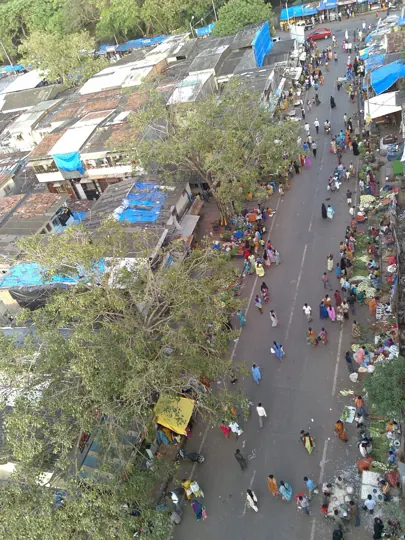
Mains 2013 asked about the various social problems which originated out of the speedy process of urbanization in India: slums (about 6.5 crore people lived in slums in 2011), crime, pollution, water shortage, traffic, and the loss of joint families and social support. Mains 2023 asked whether urbanization leads to more segregation and/or marginalization of the poor in Indian metropolises. It often does: the poor are pushed to the edges or into informal settlements without secure title, gated communities wall off the rich, and evictions follow city projects. But cities also give the poor jobs and loosen caste, which villages rarely do.
Discuss the various social problems which originated out of the speedy process of urbanization in India.
Does urbanization lead to more segregation and/or marginalization of the poor in Indian metropolises?
Mains 2022 asked how the growth of Tier 2 cities is related to the rise of a new middle class with an emphasis on the culture of consumption. Cities such as Indore, Coimbatore, Surat, Lucknow and Jaipur grew with IT parks, colleges, airports and cheaper land. Their new salaried families fuel malls, cars, e-commerce and branded goods, and markets now plan for them first. Mains 2019 asked how efficient and affordable urban mass transport is key to the rapid economic development of India: metros and buses widen labour markets, cut travel time and pollution, and raise land values along corridors.
How is the growth of Tier 2 cities related to the rise of a new middle class with an emphasis on the culture of consumption?
How is efficient and affordable urban mass transport key to the rapid economic development of India?
Mains 2016 asked candidates to introduce the objectives and strategy of the ‘Smart City Programme’ against the background of urban life in India. The Smart Cities Mission was launched on 25 June 2015 for 100 cities chosen by competition. Each city develops a chosen area (retrofitting, redevelopment or greenfield) and runs city-wide smart solutions such as integrated command centres, through a company called a special purpose vehicle. Mains 2025 asked how smart city in India addresses the issues of urban poverty and distributive justice. Critics note that money went to small elite areas; the answer is to link it with housing (PMAY-Urban), water and sewers (AMRUT), and street vendors’ rights.
With a brief background of quality of urban life in India, introduce the objectives and strategy of the ‘Smart City Programme’.
How does smart city in India, address the issues of urban poverty and distributive justice?
Economic activities, resources and sustainable
development Economic activities are grouped by how far they are from nature. Primary activities take from nature: farming, herding, fishing, forestry and mining (red-collar work). Secondary activities process: manufacturing and construction. Tertiary activities serve: trade, transport, banking and health. Quaternary activities deal with knowledge and information, such as research and IT. Quinary activities are top-level decision-making by senior officials and executives (gold-collar work).
Resources are anything people can use. By origin they are biotic or abiotic; by renewal they are renewable (sun, wind, forests) or non-renewable (coal, oil, minerals); by ownership they are individual, community, national or international; by development they are potential, developed, stock or reserve. Their use depends on technology and demand: uranium was a rock until nuclear power made it a resource.
Sustainable development, as the Brundtland Report (1987) put it, meets the needs of the present without compromising the ability of future generations to meet their own needs. The UN adopted 17 Sustainable Development Goals in 2015 for 2030. NITI Aayog tracks States through its SDG India Index. For human geography, the link is clear: how many people, where they live and what they do decide the pressure on land, water and air.
Mains box: analysis and answer points
- There were 53 million-plus urban agglomerations; Greater Mumbai was the largest, followed by Delhi and Kolkata.
- Urban growth comes from natural increase, migration and the reclassification of villages as towns.
- Goa, Mizoram, Tamil Nadu, Kerala and Maharashtra are among the most urbanised States; Himachal Pradesh, Bihar and Assam the least.
- Likely next angle: Smart Cities Mission's end; metro growth; e- buses
- Asked: Mains 2013 (GS Paper I, 10 marks): Discuss the various social problems which originated out of the speedy process of urbanization in India.
Practice
Write an answer
In 150 words, explain the significance of Human Geography with one recent example.
Flashcards (4)
Number of million-plus agglomerations in
2011? 53.
When was the Smart Cities Mission
launched? 25 June 2015, for 100 cities.
What is quaternary activity?
Knowledge and information work, such as research and IT.
Who defined sustainable development in
1987? The Brundtland Report.
In the news
- 4 Oct 2026CAQM flying squads find 17 road-dust violations along Delhi’s Ring Road
- 26 Sep 2026‘She-Mart’ cooperative outlets launched in Keralam to link women SHGs to markets
- 20 Sep 20269 lakh Community Resource Persons: the frontline of rural service delivery
- 15 Sep 2026Varuna Elevated Corridor: ₹10,998-crore, 43.2-km road project for Varanasi
 Next chapter · 10. Disaster Geography →Disaster Geography: Earthquakes, tsunamis and cyclones
Syllabus: GS-I · Role of women and women’s organization, population and associated issues, povert…