
Chapter 2 · Topic 2.1 · Prelims + Mains1 of 3
Arab & Turkish Invasions: Arabs and Mahmud
Key points
- Arabs took Sindh in 712 CE: Muhammad bin Qasim defeated Raja Dahir; source the Chachnama.
- Nagabhata I, the Chalukyas of Gujarat and (in tradition) Bappa Rawal held the Arabs back.
- Mahmud of Ghazni (998–1030): about 17 raids (1000–1027); annexed only Punjab; Somnath sacked 1025–26.
- Al-Biruni wrote the Kitab-ul-Hind; Firdausi's Shahnama; Utbi's Tarikh-i-Yamini.
Prelims box: facts and traps
- Somnath (Prelims 2022): a Jyotirlinga; described by Al-Biruni; present temple consecrated 1951 by Rajendra Prasad.
- 1001: Mahmud defeats Jayapala.
- Hajjaj bin Yusuf: sent Qasim.
The Arabs in Sindh (712 CE)
Islam reached India first through Arab traders on the Malabar and Gujarat coasts. The first conquest came in 712 CE, when the Arabs took Sindh. Remember three names: Muhammad bin Qasim, Raja Dahir and the Chachnama.
| Point | Fact |
|---|---|
| Who | Muhammad bin Qasim, a young general sent by Hajjaj bin Yusuf, the Umayyad governor of Iraq |
| Why | Pirates near the port of Debal had seized Arab ships; the Umayyads also wanted to expand |
| Defeated | Raja Dahir of Sindh, who was killed in battle (712) |
| Held | Sindh and Multan; jizya was taken from non-Muslims, who were allowed to keep their faith |
| Source | The Chachnama, a 13th-century Persian translation of an older Arabic account |
The Arabs went no further. In the 8th century the Pratihara Nagabhata I, the Chalukyas of Gujarat and (in tradition) Bappa Rawal of Mewar held them back. The lasting gain was cultural: Indian numerals, astronomy, medicine and the Panchatantra travelled to Baghdad.
What UPSC asks
Prelims: Muhammad bin Qasim, Dahir, Chachnama. Mains: Arab contact and culture. Next likely: Sindh heritage.
Mahmud of Ghazni (998–1030)
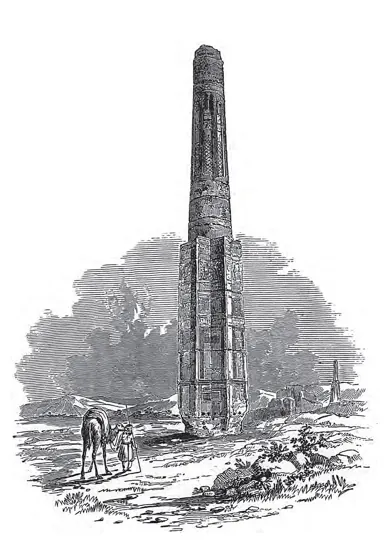
About three centuries later the Turks came from the north-west. Mahmud ruled from Ghazni in present-day Afghanistan. Tradition counts 17 raids into India between 1000 and 1027. He took gold from temples to pay for wars in Central Asia, and annexed (took over for good) only Punjab.
| Year | Raid |
|---|---|
| 1001 | Defeats Jayapala, the Hindu Shahi king, near Peshawar |
| 1008–09 | Defeats Anandapala near Waihind; plunders Nagarkot (Kangra) |
| 1018 | Sacks Mathura and Kanauj; the Pratihara king flees |
| 1025–26 | Sacks the Somnath temple in Gujarat, then held by the Chaulukya Bhima I |
Mahmud’s court had scholars. Al-Biruni came to India with him, learnt Sanskrit and wrote the Kitab-ul- Hind (in Arabic), a careful study of Indian science, religion and society. Firdausi finished the Shahnama for Mahmud, and Utbi wrote his history, the Tarikh-i-Yamini.
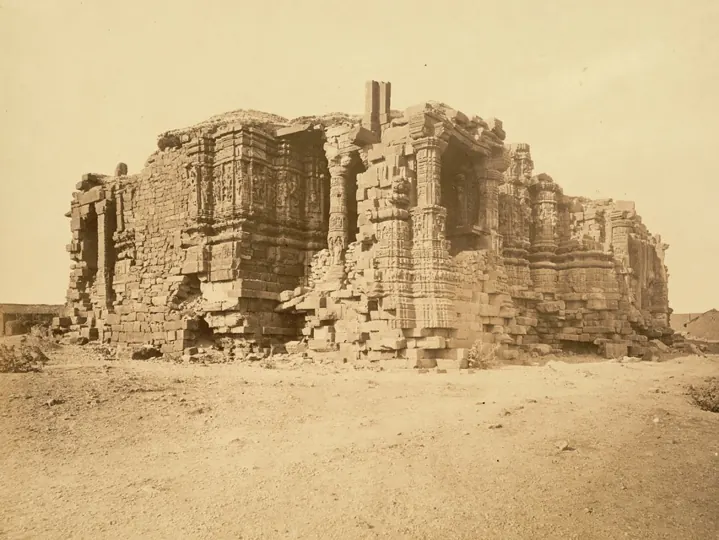
Prelims 2022 asked about Somnath: it is one of the Jyotirlinga shrines, and ‘A description of Somnath Temple was given by Al-Biruni.’ Both are true. But the present temple was consecrated in 1951 by President Rajendra Prasad, not S. Radhakrishnan. So the answer was 1 and 2 only.
The Prime Minister recently inaugurated the new Circuit House near Somnath Temple at Veraval. Which of the following statements are correct regarding Somnath Temple ? 1. Somnath Temple is one of the Jyotirlinga shrines. 2. A description of Somnath Temple was given by Al-Biruni. 3. Pran Pratishtha of Somnath Temple (installation of the present day temple) was done by President S. Radhakrishnan. Select the correct answer using the code given below :
- 1 and 2 only
- 2 and 3 only
- 1 and 3 only
- 1, 2 and 3
Show answer
Answer: (a) · UPSC official key
For Mains, use Al-Biruni when asked to assess the importance of the accounts of the Chinese and Arab travellers in the reconstruction of the history of India (2018). Note his limits too: he relied on Sanskrit texts and Brahmin informants, so he described an ideal caste order.
Assess the importance of the accounts of the Chinese and Arab travellers in the reconstruction of the history of India.
What UPSC asks
Prelims: Mahmud’s raids, Al-Biruni, Somnath (2022). Mains: Arab travellers as sources (2018). Next likely: Somnath rebuilt, 1951.
Mains box: analysis and answer points
- Arab contact and culture: numerals, astronomy, Panchatantra to Baghdad.
- Al-Biruni as a source (Mains 2018): careful but text-based.
Practice
Write an answer
In 150 words, explain the significance of Arab & Turkish Invasions with one recent example.
Flashcards (11)
Who conquered Sindh in 712?
Muhammad bin Qasim.
Ruler of Sindh he defeated?
Raja Dahir.
Who sent Muhammad bin Qasim?
Hajjaj bin Yusuf, Umayyad governor of Iraq.
Source for the Arab conquest of Sindh?
The Chachnama.
Pratihara king who checked the Arabs?
Nagabhata I.
Mahmud of Ghazni's reign?
998–1030.
Hindu Shahi king defeated in 1001?
Jayapala.
When did Mahmud sack Somnath?
1025–26.
Al-Biruni's book on India?
Kitab-ul-Hind.
Poet of the Shahnama?
Firdausi.
Who consecrated the present Somnath
temple? President Rajendra Prasad (1951).
In the news
- 20 Oct 2026Sirpur in Chhattisgarh enters UNESCO’s Tentative List of World Heritage sites
- 15 Oct 2026PM inaugurates five Ladakh projects: Nimmu–Padum–Darcha road, Leh terminal, Hanu hydro
- 14 Oct 2026HAL, NCF and ASI sign MoA for Hampi, Taj Mahal and Bekal Fort
- 11 Oct 2026Birth anniversaries: Jayaprakash Narayan and Nanaji Deshmukh
 Next topic · 2.2 →Arab & Turkish Invasions: Ghori and Tarain
Syllabus: Prelims GS-I · History of India and Indian National Movement.