
Chapter 2 · Topic 2.1 · Prelims + Mains1 of 3
American Revolution: Causes and Declaration
Key points
- Thirteen colonies rebelled against British trade rules (mercantilism) and taxes passed without their consent.
- The chain: Stamp Act 1765, Townshend Acts 1767, Boston Tea Party 1773, Intolerable Acts 1774.
- The Declaration of Independence (4 July 1776), drafted by Jefferson, drew on Locke and Paine.
Prelims box: facts and traps
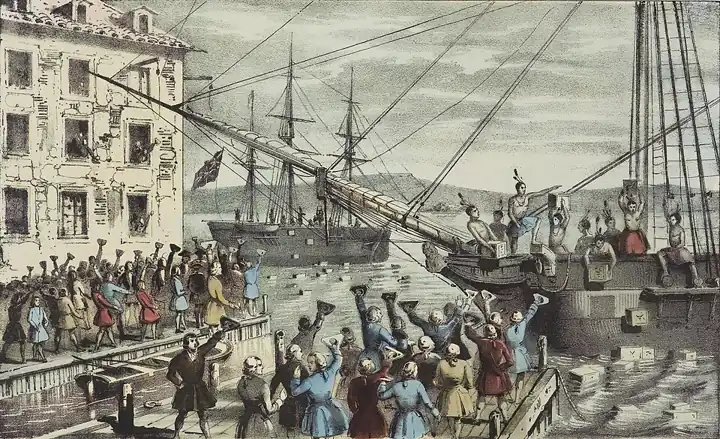
- Boston Tea Party: 16 December 1773, against the Tea Act's East India Company monopoly.
- Slogan: 'no taxation without representation' came with the Stamp Act (1765).
- Trap: the Declaration was adopted by the Second Continental Congress; the First (1774) answered the Intolerable Acts.
- Influences: Locke (consent of the governed), Paine's Common Sense (January 1776).
Causes: mercantilism and ‘no taxation without representation’
The colonies had their own assemblies but were bound by mercantilism: colonies exist to supply raw materials and buy the mother country’s goods, in its ships. Deep in debt after the Seven Years’ War (1756–63), Britain began taxing them. Picture a landlord who fixes where you shop, then raises the rent without asking.
| Measure | Why it angered colonists |
|---|---|
| Navigation Acts (from 1651) | Trade only in British ships; key goods only to Britain |
| Proclamation of 1763 | Banned settlement west of the Appalachians after the Seven Years’ War |
| Sugar Act (1764), Stamp Act (1765) | Taxes to raise money; Stamp Act Congress; slogan ‘no taxation without representation’ |
| Townshend Acts (1767) | Duties on glass, paint, paper and tea; Boston Massacre (1770) |
| Tea Act (1773) | East India Company tea monopoly; Boston Tea Party (16 December 1773) |
| Intolerable (Coercive) Acts (1774) | Closed Boston port; First Continental Congress, Philadelphia |
For the question below: show the economic squeeze (Navigation Acts, Iron Act, 1750, money limits, taxes), then add political causes (representation, rights) and the frontier ban.
“American Revolution was an economic revolt against mercantilism.” Substantiate.
The Declaration of Independence
| Point | Detail |
|---|---|
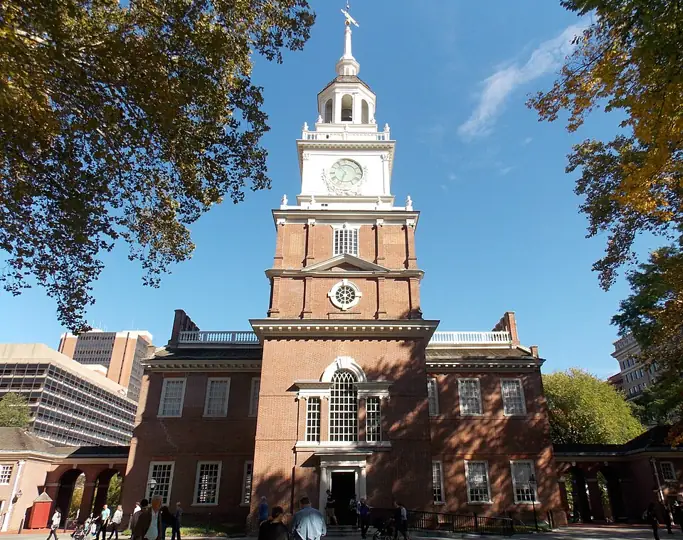
| Adopted | 4 July 1776 by the Second Continental Congress, Philadelphia |
| Drafted by | Thomas Jefferson (committee with John Adams, Benjamin Franklin, Roger Sherman, Robert Livingston) |
| Core idea | ‘All men are created equal’ with unalienable rights (rights no government can take away) to ‘Life, Liberty and the pursuit of Happiness’ |
| Influences | John Locke (life, liberty, property; consent of the governed); Thomas Paine’s pamphlet Common Sense (January 1776) |
| Contradiction | Silent on slavery and excluded women and Native Americans |
It said people may overthrow a government that breaks the social contract (the deal that rulers protect rights). France, Latin America and anti-colonial movements later used this.
What UPSC asks
Prelims: order of the Acts, 1776, Jefferson. Mains: economic revolt or not?
Mains box: analysis and answer points
- Economic revolt (Mains 2013): Navigation Acts, Iron Act (1750), money limits and new taxes clashed with a growing colonial economy.
- But not only economic: self-rule tradition, Enlightenment rights, the 1763 frontier ban.
- Conclude: economics lit the fire; ideas turned a tax protest into independence.
Practice
Write an answer
In 150 words, explain the significance of American Revolution with one recent example.
Flashcards (9)
Slogan against the Stamp Act?
No taxation without representation.
Stamp Act year?
1765.
Boston Tea Party date?
16 December 1773.
Acts that closed Boston port?
Intolerable (Coercive) Acts, 1774.
Economic system resented by colonists?
Mercantilism (Navigation Acts).
Declaration adopted?
4 July 1776.
Main drafter of the Declaration?
Thomas Jefferson.
Author of Common Sense?
Thomas Paine (1776).
Philosopher behind 'consent of the
governed'? John Locke.
Read more: related explainers
 Next topic · 2.2 →American Revolution: War and Constitution
Syllabus: GS-I · History of the world will include events from 18th century such as industrial re…