
Centre mulls law to curb child pornography online
Child sexual abuse material and explicit videos shared without consent spread fast on the internet. The Centre has told the Supreme Court it is planning a policy framework to stop this. A new law may make online platforms report such uploads to the authorities, not just delete them. Read it to revise the IT Act, the POCSO Act and the ‘safe harbour’ rule for platforms.
- Told to
- Supreme Court
- Plan
- Policy framework or law
- New duty for platforms
- Take down and inform authorities
- Gap raised
- Adults whose videos leak need protection too
Online child abuse material: what happened?
Deleting a harmful video is like wiping a crime scene: the video is gone, but the person who uploaded it is never traced. The Centre now wants platforms to report, not just remove.
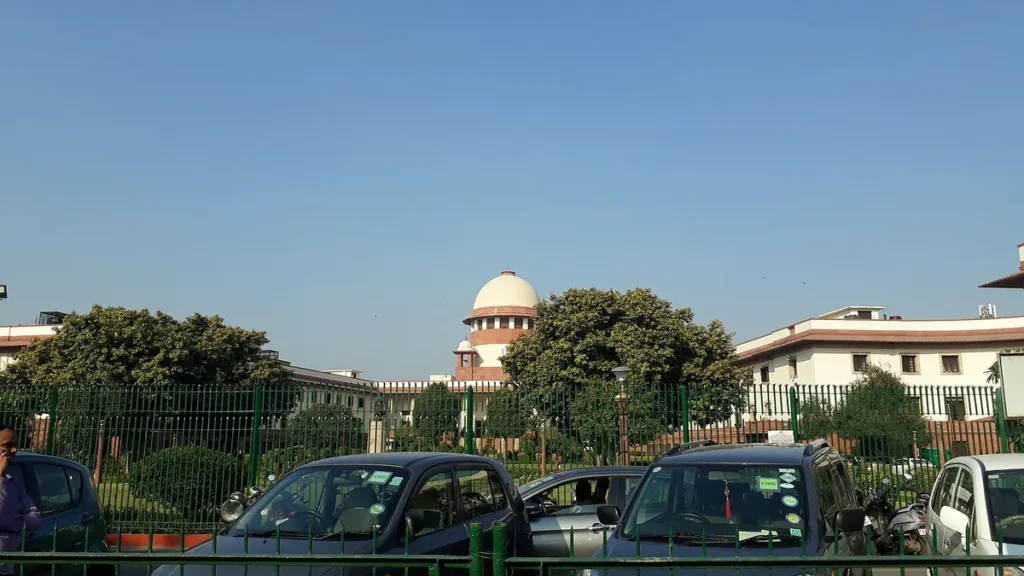
- The Centre told the Supreme Court it is planning a policy framework to stop child sexual abuse material and explicit videos online.
- There are two problems: child pornography, and explicit content of adults shared without consent.
- Under the new plan, intermediaries (platforms that host user content) may have to take down such content and also inform the authorities about the upload.
- Senior advocate Aparna Bhat, for the non-governmental organisation Prajwala, said adults also lack safeguards, including against videos of sexual assault.
What laws cover this today?
The Information Technology Act, 2000 punishes publishing or sending sexually explicit material online. Section 67B deals with material showing children, with up to five years in prison for a first offence.
The Protection of Children from Sexual Offences (POCSO) Act, 2012 covers everyone below 18 and is gender-neutral, so it protects boys and girls alike. It also punishes storing child sexual abuse material for sharing.
In 2024, the Supreme Court held that even watching or storing such material can be an offence, and suggested the term ‘Child Sexual Exploitation and Abuse Material’ instead of ‘child pornography’.
Section 79 of the IT Act gives platforms ‘safe harbour’: they are not punished for user posts if they follow due diligence and remove unlawful content when told.
Remove versus report
| Step | Today | Proposed |
|---|---|---|
| Platform finds abuse material | Removes it | Removes it |
| Who is told | Often no one | Authorities informed of the upload |
| Effect | Content gone, uploader not traced | Police can track the source |
Which laws and Articles apply?
- IT Act, 2000: Section 67B (child abuse material), Section 79 (safe harbour), Section 70B (CERT-In).
- POCSO Act, 2012: covers all below 18; gender-neutral; punishes storing such material.
- IT Rules, 2021: duties on platforms to remove unlawful content quickly.
- Article 21: right to life with dignity and privacy; Article 15(3): special provisions for women and children.
Why does online child abuse material matter?
| Angle | What to note |
|---|---|
| Child protection | Every share of such material repeats the harm to the child. |
| Tracing offenders | Reporting helps police find uploaders, not just delete content. |
| Platform responsibility | Safe harbour comes with duties. |
| Adult victims | Non-consensual videos ruin lives and need quick removal. |
What are the problems with online child abuse material?
- Encrypted apps make detection hard.
- Platforms based abroad may delay action.
- Too much monitoring could hurt privacy and free speech.
- Victims, especially adults, struggle to get videos removed quickly.
- Police cyber cells lack staff and training.
What should be done next on online child abuse material?
- Make mandatory reporting clear, with time limits and privacy safeguards.
- Give adult victims a fast, simple way to get content removed.
- Train and staff cyber police units in every district.
- Work with other countries and global hotlines to trace offenders.
What can Prelims ask on online child abuse material?
Prelims probability: Expect a question on online child-safety laws: Section 67B of the Information Technology Act, 2000, and the Protection of Children from Sexual Offences Act, 2012, which covers everyone below 18.
- IT Act Section 67B: child sexual abuse material; Section 79: safe harbour; Section 70B: CERT-In.
- POCSO Act, 2012: below 18 years; gender-neutral.
- Supreme Court (2024): suggested ‘Child Sexual Exploitation and Abuse Material’ as the term.
- Prajwala: the NGO whose petition raised the issue of sexual violence videos.
- National Cyber Crime Reporting Portal: cybercrime.gov.in.
How to write about online child abuse material in Mains
Practice question (15 marks, 250 words): Online platforms should be partners in protecting children, not merely passive hosts. Discuss the need for a stronger legal framework against child sexual abuse material in India.
- Intro: Centre’s plan told to the Supreme Court.
- Existing laws: IT Act 67B, POCSO, safe harbour under Section 79.
- Gaps: remove-only approach, encryption, foreign platforms, adult victims.
- Way forward: mandatory reporting, fast takedown, trained police, global cooperation.
- Conclusion: protecting children online is a shared duty.
Ready lines for your answer
- Platforms may have to take down abuse material and also inform authorities about the upload.
- Safe harbour is a privilege that comes with a duty of care.
Quotable data pointSection 67B of the IT Act allows up to five years in prison for a first offence involving online child sexual abuse material.
Exam angle
Prelims: IT Act Sections 67B, 79, 70B; POCSO. · Mains GS-II: child rights, platform accountability; GS-III: cyber security.
Practice MCQs
Original practice questions (not PYQs).
Which section of the Information Technology Act, 2000 punishes publishing or sending online material showing children in sexually explicit acts?
Answer (b) & explanation
Section 67B covers such material, with up to five years in prison for a first offence. Section 79 gives platforms 'safe harbour'.
Consider the following statements:
1. The Protection of Children from Sexual Offences Act, 2012 covers everyone below 18 years.
2. The Protection of Children from Sexual Offences Act, 2012 is gender-neutral.
3. The Indian Computer Emergency Response Team works under Section 70B of the Information Technology Act, 2000.
How many of the above statements are correct?
Answer (c) & explanation
All three are correct.
Questions students ask about this
What is the Centre planning?
A policy framework or law to stop child sexual abuse material and non-consensual explicit content online, including making platforms report uploads.
Which law punishes online child sexual abuse material?
Section 67B of the IT Act, 2000, and the POCSO Act, 2012.
What is safe harbour?
Under Section 79 of the IT Act, platforms are not liable for user posts if they follow due diligence and remove unlawful content when told.
Is the POCSO Act gender-neutral?
Yes. It protects every child below 18, whether boy or girl.