
Delhi spent less than half its tuberculosis funds
A Delhi health report for 2025-26 shows the city used only ₹51.32 crore of the ₹108.27 crore approved under the National Tuberculosis Elimination Programme — just 47.4%. Officials blame delays in paying patients ₹1,000 a month for food and slow buying of equipment. Read it to revise NTEP and Ni-kshay Poshan Yojana.
- Approved
- ₹108.27 crore (2025-26)
- Spent
- ₹51.32 crore (47.4%)
- Food support
- ₹1,000 a month since Nov 2024
- CAG finding
- ₹72.94 crore pending for 2.60 lakh Delhi patients (2024)
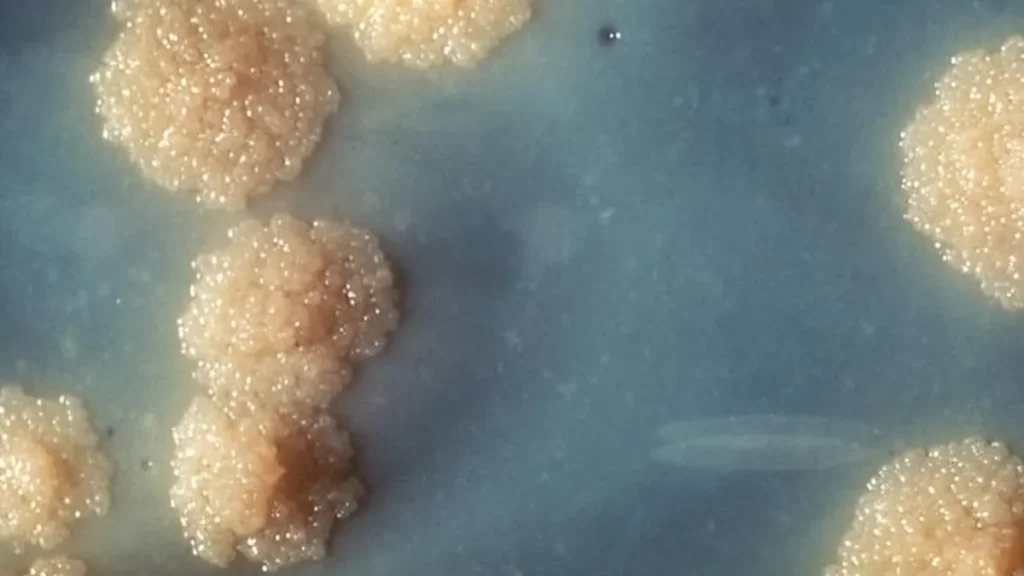
Delhi’s TB funds: what happened?
India has the most tuberculosis cases in the world — yet Delhi left more than half its TB money unspent.
- A Delhi Directorate General of Health Services report for 2025-26 shows Delhi used only ₹51.32 crore of the ₹108.27 crore approved, or 47.4%, leaving ₹56.95 crore unspent.
- Officials blame delays in paying patients ₹1,000 a month for food under the Ni-kshay Poshan Yojana, because many patients’ Aadhaar numbers were not linked to their bank accounts, and slow buying of equipment.
- Low spending is national: the programme used about 62.5% of its money in 2023-24.
- A 2024 Comptroller and Auditor General report found ₹72.94 crore of food support pending for 2.60 lakh Delhi patients.
What is the TB programme?
Tuberculosis is a bacterial disease that mainly attacks the lungs.
India runs the National Tuberculosis Elimination Programme (earlier the Revised National Tuberculosis Control Programme, renamed in 2020); tests and medicines are free.
Ni-kshay Poshan Yojana (2018) pays food money straight to patients’ bank accounts; the amount was doubled to ₹1,000 a month in November 2024.
Multi-drug resistant TB no longer responds to isoniazid and rifampicin.
Delhi TB spending 2025-26
| Item | Figure |
|---|---|
| Approved | ₹108.27 crore |
| Spent | ₹51.32 crore (47.4%) |
| Unspent | ₹56.95 crore |
| Food support rate | ₹1,000 a month |
Which schemes and bodies apply?
- National Tuberculosis Elimination Programme: free testing and treatment.
- Ni-kshay Poshan Yojana, 2018: Direct Benefit Transfer for nutrition.
- Comptroller and Auditor General (Article 148): audits spending; reports go to the Public Accounts Committee.
- Sustainable Development Goal 3.3: end the TB epidemic; India set 2025, ahead of the global 2030 target.
Why does Delhi’s TB fund gap matter?
| Angle | What to note |
|---|---|
| Health | Unspent money means delayed food and care. |
| Governance | Shows gaps in Direct Benefit Transfer. |
| Audit | CAG findings keep pressure on delivery. |
| Prelims | NTEP, Ni-kshay, MDR-TB, CAG. |
What are the problems with Delhi’s TB fund gap?
- Aadhaar–bank link gaps delay the first payment.
- Equipment buying is slow.
- National utilisation was only about 62.5% in 2023-24.
- Patients can drop out of treatment without food support.
What should be done next on Delhi’s TB fund gap?
- Link bank accounts at diagnosis and pay the first instalment within weeks.
- Track spending every quarter.
- Simplify equipment purchase rules.
- Counsel patients so they complete the full course.
What can Prelims ask on Delhi’s TB fund gap?
Prelims probability: Medium. Past-question trend: drug resistance (2019) and the Comptroller and Auditor General (2012). Freshness: new 2025-26 spending data. Static link: Ni-kshay Poshan Yojana, Sustainable Development Goal 3.3. Testable fact: food support is ₹1,000 a month since November 2024. Upcoming hook: World Health Organization’s Global Tuberculosis Report.
- NTEP: earlier RNTCP, renamed 2020.
- Ni-kshay Poshan: ₹1,000 a month since Nov 2024.
- MDR-TB: resists isoniazid and rifampicin.
- India’s TB end target: 2025 (global SDG: 2030).
- CAG: Article 148.
How to write about Delhi’s TB fund gap in Mains
Practice question (15 marks, 250 words): Direct Benefit Transfer improves delivery but can leave the poorest waiting. Discuss with reference to tuberculosis nutrition support.
- Intro: Delhi spent only 47.4%.
- NTEP and Ni-kshay basics.
- Why money stuck: Aadhaar, procurement.
- CAG findings and patient impact.
- Fixes: link at diagnosis, timely pay.
Ready lines for your answer
- A rupee unspent on TB is a cough that lasts longer.
- DBT works only when the bank account is ready on day one.
Quotable data pointDelhi 47.4% spent; food ₹1,000/month; CAG ₹72.94 crore pending.
Photo: Photo Credit: Content Providers(s): CDC/Dr. George Kubica, Public domain, via Wikimedia Commons
Exam angle
Prelims: NTEP, Ni-kshay, CAG. · Mains GS-II: health and DBT.
Practice MCQs
Original practice questions (not PYQs).
Under the Ni-kshay Poshan Yojana, tuberculosis patients currently receive how much nutrition support?
Answer (c) & explanation
The amount was doubled from ₹500 to ₹1,000 a month in November 2024 and is paid by Direct Benefit Transfer.
Consider the following statements:
1. The National Tuberculosis Elimination Programme was earlier called the Revised National Tuberculosis Control Programme.
2. Multi-drug resistant tuberculosis does not respond to isoniazid and rifampicin.
3. India's target year to end tuberculosis is later than the global Sustainable Development Goal target.
How many of the above statements are correct?
Answer (b) & explanation
Statements 1 and 2 are correct. India set 2025, five years ahead of the global target of 2030.
Questions students ask about this
How much of Delhi's TB budget was used?
Only 47.4% — ₹51.32 crore of ₹108.27 crore in 2025-26.
How much food support do TB patients get?
₹1,000 a month under Ni-kshay Poshan Yojana since November 2024.
What was the programme called earlier?
The Revised National Tuberculosis Control Programme; renamed NTEP in 2020.
What did the CAG find for Delhi?
₹72.94 crore of food support pending for 2.60 lakh patients (2024 report).
What is multi-drug resistant TB?
TB that no longer responds to isoniazid and rifampicin.