
Delhi officials to be fined for delaying services
Delhi has notified the Delhi (Right of Citizens to Time-Bound and Easy Delivery of Services) Act, 2026, replacing a 2011 law, so listed services such as certificates come on time. Officials who delay or wrongly reject face daily penalties and a one-time fine of ₹250 to ₹5,000, cut from salary. A late application automatically becomes an appeal. Read it to revise right-to-service laws and Sevottam.
- Law
- Delhi Right of Citizens Act, 2026
- Replaces
- 2011 law
- Fine
- ₹250 to ₹5,000 from salary
- Appeal window
- Authority decides in 30 days
Delhi’s time-bound services law: what happened?
A delayed certificate will no longer sit on a desk — it becomes an appeal on its own.
- Delhi has notified the Delhi (Right of Citizens to Time-Bound and Easy Delivery of Services) Act, 2026, replacing a 2011 law.
- Officials who delay or wrongly reject an application face daily penalties and a one-time fine of ₹250 to ₹5,000, cut from salary; casual and most contract staff are left out.
- A late application automatically becomes an appeal before a Citizen Grievance Redressal Authority, which must decide within 30 days and can order delivery within seven days.
- If that authority is also late, the case moves on its own to the Delhi Right to Service Commission, whose orders are final.
What are Citizen’s Charters and right-to-service laws?
A Citizen’s Charter is a voluntary public promise of services and timelines; it is not by itself enforceable in court.
Madhya Pradesh was the first State to pass a right-to-service law (2010); Uttar Pradesh has the Janhit Guarantee Adhiniyam, 2011.
Sevottam is the Centre’s quality model for citizen-centric service delivery and grievance redress.
The Lokpal and Lokayuktas Act, 2013 creates anti-corruption ombudsmen; it is related but separate from service timelines.
Delhi 2026 Act
| Stage | What happens |
|---|---|
| Service delayed | Becomes an automatic appeal |
| Grievance Authority | Decide in 30 days; can order delivery in 7 |
| Still delayed | Goes to Delhi Right to Service Commission |
| Penalty | ₹250–₹5,000 from salary |
Which ideas and laws apply?
- Right-to-service laws in States; Delhi’s 2026 Act replaces its 2011 law.
- Citizen’s Charters (from the 1990s) as soft commitments.
- Sevottam framework for service quality.
- Lokpal / Lokayukta for corruption, distinct from delay penalties.
Why does Delhi’s right-to-service law matter?
| Angle | What to note |
|---|---|
| Governance | Turns timelines into enforceable duties. |
| Accountability | Salary-linked fines for designated officers. |
| Design | Automatic escalation reduces chasing. |
| Prelims | Citizen’s Charter vs enforceable RTS laws; MP first. |
What are the problems with Delhi’s right-to-service law?
- Low fines may not deter chronic delay.
- Many services may remain un-notified.
- Contract staff are mostly outside the fine net.
- Awareness among citizens is still weak.
What should be done next on Delhi’s right-to-service law?
- Notify all common services with realistic timelines.
- Publish department delay dashboards.
- Train counters and link performance to appraisal.
- Run awareness drives and help desks.
What can Prelims ask on Delhi’s right-to-service law?
Prelims probability: Medium. Trend: Lokpal (2025; the State 2024), citizen’s charters in Mains (2013). Freshness: a new 2026 Act. Static link: right-to-service laws, Sevottam. Testable fact: fines of ₹250 to ₹5,000; appeals settled in 30 days.
- Delhi Act 2026 replaces 2011 law.
- Fines ₹250–₹5,000 from salary.
- Auto-appeal; 30-day decision; 7-day delivery order.
- Madhya Pradesh: first RTS law (2010).
- Citizen’s Charter is not legally enforceable by itself.
How to write about Delhi’s right-to-service law in Mains
Practice question (15 marks, 250 words): Rights-based laws on time-bound delivery of services aim to make administration accountable. Examine their effectiveness with reference to Delhi’s new law.
- Intro: 2026 Act notified.
- Charters vs enforceable RTS laws.
- Delhi design: fines and auto-escalation.
- Limits: coverage, awareness, staff.
- Measures to strengthen.
Ready lines for your answer
- A timeline without a fine is a promise without teeth.
- Auto-escalation beats endless chasing.
Quotable data pointFines ₹250–₹5,000; 30-day appeal; MP first RTS law 2010.
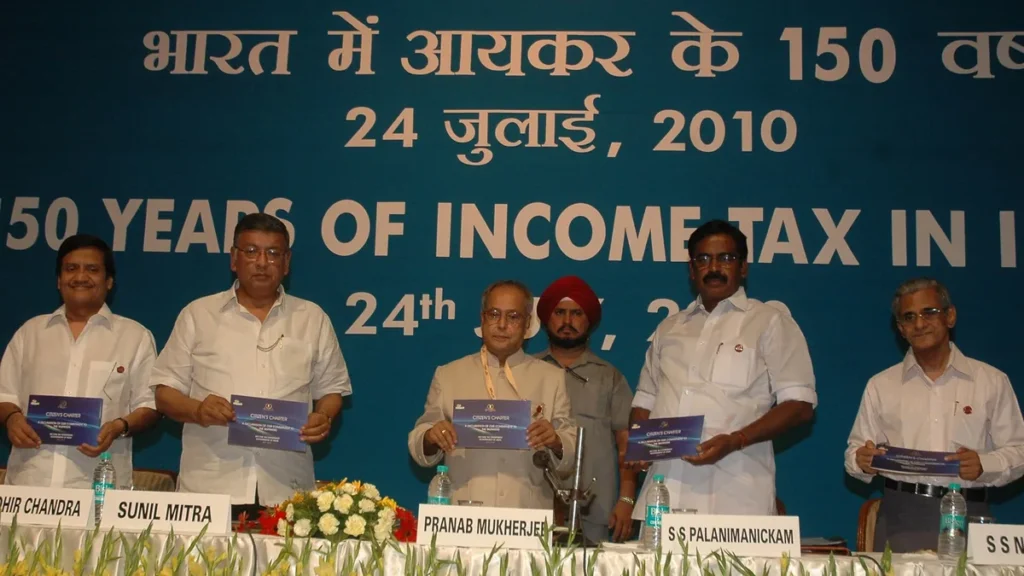
Photo: Ministry of Finance of India, GODL-India, via Wikimedia Commons
Exam angle
Prelims: Citizen's Charter, RTS laws, Sevottam. · Mains GS-II: accountability.
Practice MCQs
Original practice questions (not PYQs).
Consider the following statements:
1. A Citizen's Charter is legally enforceable in a court of law.
2. Under the new Delhi law, a delayed application is automatically treated as an appeal.
3. Madhya Pradesh was the first State to pass a right-to-service law.
How many of the above statements are correct?
Answer (b) & explanation
Statements 2 and 3 are correct. A Citizen's Charter is a voluntary declaration and is not legally enforceable.
The Lokpal selection committee under the Lokpal and Lokayuktas Act, 2013 does NOT include:
Answer (a) & explanation
The committee has the Prime Minister, the Speaker, the Leader of Opposition, the Chief Justice of India or a judge nominated by him, and an eminent jurist; the Chairman of the Rajya Sabha is not a member.
Questions students ask about this
What is the new Delhi law called?
The Delhi (Right of Citizens to Time-Bound and Easy Delivery of Services) Act, 2026.
How much can an official be fined?
A one-time fine of ₹250 to ₹5,000, plus daily penalties, cut from salary.
What happens if an application is late?
It automatically becomes an appeal.
Which State passed the first right-to-service law?
Madhya Pradesh in 2010.
Is a Citizen's Charter enforceable in court?
No. It is a voluntary declaration unless backed by a statute.