
Draft rule to stop drug retailers and wholesalers from advertising prescription-only medicines
Next story · 9 OctASEAN–India Trade in Goods Agreement review: 15th Joint Committee meets in Jakarta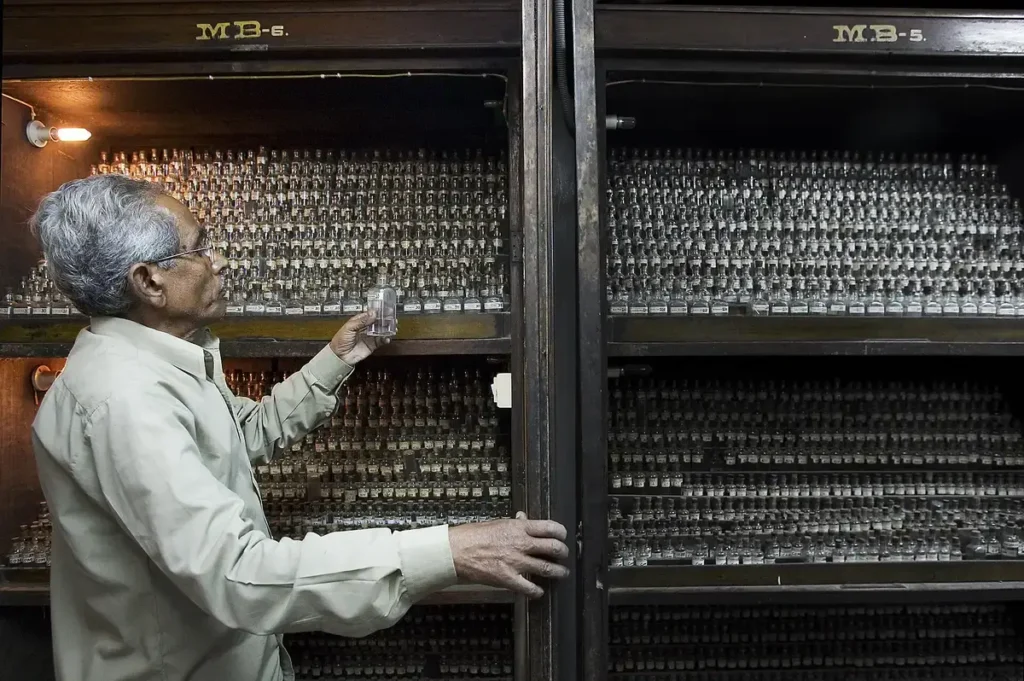
The Health Ministry has proposed amending the Drugs Rules, 1945 so that drug retailers, wholesalers and distributors also need prior Central Government sanction to advertise Schedule H, H1 and X medicines. Manufacturers already face this rule. The draft, G.S.R. 861(E) of 28 September 2026, follows DTAB advice and is open for comments for 30 days.
- Rule
- Drugs Rules, 1945 (draft)
- Drugs
- Schedule H, H1, X
- Covers
- Retail and wholesale
- Comments
- Within 30 days
Advertising of prescription drugs: what happened?
A gap in the rules: manufacturers could not advertise prescription-only drugs without Central sanction, but the rules did not clearly say the same for shops and distributors. This draft closes that gap.
- The Health Ministry proposed amending the Drugs Rules, 1945 to extend the requirement of prior Central sanction for advertising Schedule H, H1 and X drugs to licensed sellers, stockists and distributors [PIB].
- Draft notified as G.S.R. 861(E) dated 28 Sep 2026 after consulting the Drugs Technical Advisory Board (DTAB); it proposes a new sub-rule (22) under Rule 65 [PIB].
What are Schedule H, H1 and X drugs?
- They are prescription-only medicines listed in the Drugs Rules, 1945. They should be sold only on a doctor’s prescription.
- PIB notes they include certain antibiotics and psychotropic medicines.
- Schedule H1 and X carry tighter controls than Schedule H; antibiotic misuse is a concern behind such controls.
Why stop advertising them?
- Advertising nudges people to buy without a doctor, which leads to self-medication.
- Self-medication with antibiotics adds to antimicrobial resistance; with psychotropics it risks dependence.
Under which law are these rules made?
- The Drugs and Cosmetics Act, 1940 is the parent Act; the Drugs Rules, 1945 are made under it.
- DTAB (Drugs Technical Advisory Board) advises the Centre on technical matters under that Act; its 93rd meeting recommended this change.
- Health is a State subject (List II, Entry 6), but drugs are covered in the Concurrent List (List III, Entry 19), which is why the Centre can make these rules.
How does a draft rule become law?
- DTAB recommends (93rd meeting, 16 Feb 2026)
- Draft notified in the Gazette (G.S.R. 861(E), 28 Sep 2026)
- 30 days for objections and suggestions
- Centre considers comments
- Final rule notified
Why does Advertising of prescription drugs matter?
| Angle | What to note |
|---|---|
| Health | Reduces self-medication with antibiotics and psychotropics. |
| Regulation | Same rule along the whole supply chain, not only manufacturers. |
| Governance | Public consultation before final rules. |
What are the challenges in Advertising of prescription drugs?
- Enforcement across lakhs of chemists and online sellers is hard.
- “Advertisement” must be clearly defined to cover digital promotion.
What should be done next on Advertising of prescription drugs?
- Clear definitions in the final rule, including online platforms.
- Pair with State drug controllers’ inspections.
What can Prelims ask on Advertising of prescription drugs?
- Drugs Rules, 1945 under Drugs and Cosmetics Act, 1940.
- Schedule H, H1, X = prescription drugs.
- DTAB advises the Centre under the D&C Act.
- Drugs: Concurrent List, Entry 19.
How to write about Advertising of prescription drugs in Mains
Practice question (10 marks, 150 words): Weak control over the sale and promotion of prescription drugs feeds antimicrobial resistance in India. Discuss with reference to recent regulatory steps.
- Intro: draft rule of Sep 2026.
- Link: ads → self-medication → AMR.
- Legal frame: D&C Act, DTAB.
- Gaps: enforcement, online.
- Conclusion: rule plus enforcement.
Image: Jorge Royan, Wikimedia Commons, CC BY-SA 3.0
How to use this in Mains
If asked: Self-medication drives antimicrobial resistance in India. Suggest regulatory measures. (GS-II)
Quote: “Self-medication with antibiotics adds to antimicrobial resistance; with psychotropics it risks dependence.”
Use it: Use as the cause-effect line linking advertising to AMR.
Exam angle
Prelims: Drug schedules, DTAB. · Mains GS-II: health regulation; GS-III: AMR.
Practice MCQs
Original practice questions (not PYQs).
The Drugs Rules, 1945 are framed under
Answer (b) & explanation
Rules are made under the Drugs and Cosmetics Act, 1940.
"Drugs" as a legislative subject is placed in the
Answer (c) & explanation
List III (Concurrent), Entry 19: drugs and poisons.
Questions students ask about this
What does the draft rule of September 2026 propose?
That retailers, wholesalers and distributors need prior Central sanction to advertise Schedule H, H1 and X drugs, as manufacturers already do.
What are Schedule H drugs?
Prescription-only medicines listed under the Drugs Rules, 1945.
What is DTAB?
The Drugs Technical Advisory Board, which advises the Centre on technical matters under the Drugs and Cosmetics Act, 1940.
Keep studying
Go deeper
Official source: PIB, MoHFW: Tighter curbs on advertising of prescription drugs by retailers and wholesalers, 9 Oct 2026
facts from cited sources only; faculty review pending