
Bhakti Movement: Alvars and Nayanars, Nirguna and Saguna Saints, Philosophy and Impact (UPSC Notes + PYQs)
UPSC has already asked about this. Read the story with these questions in mind.
Background: what bhakti means
Bhakti means loving devotion to a personal god. The idea appears in the Bhagavad Gita, which places devotion alongside knowledge and action as a path to liberation, and in the Puranas. As a social and religious movement, however, bhakti took shape in Tamil country between the sixth and ninth centuries, when wandering poet-saints sang in the people’s language rather than Sanskrit, travelled from shrine to shrine, and welcomed devotees of every caste. Over the next thousand years the movement spread to Karnataka, Maharashtra, Gujarat, the Hindi belt, Bengal, Assam and Kashmir. Its common threads were the use of regional languages, an emotional personal relationship with god, a questioning of ritual and priestly authority, and the belief that any person, whatever their caste or gender, could reach god through devotion.
Southern beginnings
Twelve Alvars and sixty-three Nayanars sang in Tamil, travelled between temples and drew followers from all castes, including women such as Andal and Karaikkal Ammaiyar. Their hymns were compiled into the Nalayira Divya Prabandham and Tevaram.
- 6th-9th c.Alvars and Nayanars in Tamil country
- 12th c.Basavanna in Karnataka
- 13th c.Jnaneshwar in Maharashtra
- 15th c.Kabir, Ravidas, Guru Nanak, Sankaradeva
- 16th c.Chaitanya, Mirabai, Surdas, Tulsidas
- 17th c.Tukaram
Philosophers
| Acharya | School |
|---|---|
| Shankaracharya (8th c.) | Advaita (non-dualism) |
| Ramanuja (11th-12th c.) | Vishishtadvaita (qualified non-dualism) |
| Madhva (13th c.) | Dvaita (dualism) |
| Nimbarka | Dvaitadvaita |
| Vallabhacharya (15th-16th c.) | Shuddhadvaita; Pushtimarg |
Nirguna and saguna
Nirguna saints worshipped God without form and rejected idols and rituals: Kabir, Ravidas, Guru Nanak, Dadu Dayal. Saguna saints worshipped God with form, mostly Rama or Krishna: Tulsidas, Surdas, Mirabai, Chaitanya.
Regional voices
- Maharashtra: Jnaneshwar, Namdev, Eknath, Tukaram (Warkari tradition, Pandharpur).
- Bengal and Odisha: Chaitanya Mahaprabhu, kirtan.
- Assam: Sankardeva, Ek Sarana dharma, sattras, Sattriya dance.
- Karnataka: Basavanna and the Virashaivas (12th c.), vachanas.
- Kashmir: Lal Ded.
- God without form or attributes
- Rejects idols and ritual
- Kabir, Ravidas, Guru Nanak
- Strong social critique
- God with form: Rama, Krishna, Shiva
- Image worship and temples
- Tulsidas, Surdas, Mirabai
- Devotion through stories and songs
Bhakti saints by region
| Region | Saints | Notable feature |
|---|---|---|
| Tamil Nadu | Alvars (Andal, Nammalvar); Nayanars (Appar, Sambandar, Sundarar) | Hymns collected in Nalayira Divya Prabandham and Tirumurai |
| Karnataka | Basavanna, Akka Mahadevi | Virashaiva vachanas; Anubhava Mantapa |
| Maharashtra | Jnaneshwar, Namdev, Eknath, Tukaram | Varkari tradition; Vitthala of Pandharpur |
| North India | Ramananda, Kabir, Ravidas, Tulsidas, Surdas | Hindi and Awadhi; nirguna and saguna streams |
| Rajasthan | Mirabai | Devotion to Krishna; defied royal norms |
| Bengal and Odisha | Chaitanya Mahaprabhu | Kirtan; Gaudiya Vaishnavism |
| Assam | Sankaradeva | Ek Sharan Dharma; sattras and namghars |
| Punjab | Guru Nanak | Nirguna devotion; foundation of Sikhism |
Bhakti in Prelims: common traps
Examiners test pairings: Basavanna with Virashaivism, Sankaradeva with Ek Sharan Dharma and the sattras of Majuli, Chaitanya with Gaudiya Vaishnavism, and Ramananda as the link between southern Vaishnavism and northern saints such as Kabir and Ravidas. Remember that Ramanuja (Vishishtadvaita) and Madhva (Dvaita) were philosophers who gave bhakti an intellectual foundation, while Shankaracharya’s Advaita was a different, knowledge-centred school.
Links with Sufism and impact
Bhakti and Sufi saints shared ideas of love, a personal God and suspicion of orthodoxy. Kabir’s verses are revered by both Hindus and Muslims, and some appear in the Guru Granth Sahib. The movement enriched Hindi, Marathi, Bengali and Assamese literature, eased caste rigidity, and gave women and lower castes a religious voice. It did not, however, abolish caste.
Bhakti and social reform
Many bhakti saints came from groups the caste order kept low: Kabir was a weaver, Ravidas a leather worker, Namdev a tailor, Tukaram from a peasant-trader family, and Chokhamela an untouchable Mahar. Their poems mocked empty ritual, pilgrimage for show and claims of birth-based purity. Women such as Andal, Akka Mahadevi, Janabai and Mirabai found in devotion a voice denied to them in household and temple. Yet historians caution against seeing the movement as a full social revolution. Most saints sought spiritual equality before god rather than an end to caste in daily life, and many sects later developed their own hierarchies. The movement nonetheless softened social barriers, created shared sacred spaces and left a moral vocabulary that reformers of the nineteenth and twentieth centuries drew upon.
Bhakti and Sufism compared
| Point | Bhakti | Sufism |
|---|---|---|
| Roots | Hindu devotional tradition | Islamic mysticism |
| Path | Love and surrender to a personal god | Love of god through a pir (guide) |
| Practice | Kirtan, bhajan, pilgrimage | Sama (music), zikr (remembrance) |
| Organisation | Sampradayas, maths, sattras | Silsilas and khanqahs |
| Language | Regional vernaculars | Persian and regional languages |
Both spoke to ordinary people, both questioned orthodoxy, and saints like Kabir drew on both, which is why the period is often described as one of a shared devotional culture.
Impact on language and culture
The greatest legacy of bhakti may be linguistic. It turned regional speech into literary languages: Tamil hymns of the Alvars and Nayanars, Kannada vachanas, Marathi abhangas, Tulsidas’s Ramcharitmanas in Awadhi, Surdas’s Sursagar in Braj, and Sankaradeva’s Assamese plays (Ankiya Nat). It shaped music, from kirtan to the Carnatic and Hindustani devotional repertoire, and dance and drama forms like Sattriya, now recognised as a classical dance. The Guru Granth Sahib preserves verses of Kabir, Namdev, Ravidas and Sufi Baba Farid alongside the Sikh Gurus, a living record of the movement’s openness.
Why bhakti still matters
Bhakti songs are still sung in homes, temples, gurdwaras and on pilgrimages like the Pandharpur wari. Their message of devotion over ritual and dignity for every devotee remains part of India’s shared cultural memory.
Bhakti Movement: UPSC angle
For UPSC CSE
Prelims: saint-region-philosophy matching, contemporaries, texts. Mains GS-I: Bhakti as social reform; Bhakti-Sufi synthesis.
Bhakti Movement UPSC PYQs (Prelims)
Questions UPSC has actually asked, from the official papers. Pick an option to check yourself.
Consider the following statements :
– 1. Saint Nimbarka was a contemporary of Akbar.
– 2. Saint Kabir was greatly influenced by Shaikh Ahmad Sirhindi.
Which of the statements given above is/are correct?
Nimbarka, who taught Dvaitadvaita and Radha-Krishna worship, lived around the 12th–13th century, long before Akbar. Kabir (15th century) came a century before Ahmad Sirhindi (1564–1624), the Naqshbandi critic of Akbar’s policies. Sirhindi could not have influenced him. Answer as per the official UPSC key · Battle IAS PYQ bankAnswer (d) & why
With reference to the religious history of medieval India, the Sufi mystics were known to pursue which of the following practices?
– 1. Meditation and control of breath
– 2. Severe ascetic exercises in a lonely place
– 3. Recitation of holy songs to arouse a state of ecstasy in their audience
Select the correct answer using the codes given below :
Sufis practised zikr (repeating God’s name with breath control), chilla (40 days of lonely austerity) and sama (devotional music like qawwali to reach a state of ecstasy). All three are correct. Answer as per the official UPSC key · Battle IAS PYQ bankAnswer (d) & why
The world’s second tallest statue in sitting pose of Ramanuja was inaugurated by the Prime Minister of India at Hyderabad recently. Which one of the following statements correctly represents the teachings of Ramanuja ?
Ramanuja (11th–12th century) taught Vishishtadvaita: the soul is real but depends on a personal God, Vishnu. The way to moksha is bhakti and prapatti, full surrender. The Statue of Equality at Muchintal (2022) honours him. Option (b) is the Mimamsa view of the Vedas. Answer as per the official UPSC key · Battle IAS PYQ bankAnswer (a) & why
Mains PYQs on this topic
No UPSC Mains question from 2023-2026 is directly on this topic. Older papers (2013-2022) will be added as the Mains bank grows.
Quick quiz
Who propounded Vishishtadvaita?
Qualified non-dualism.Answer (b)
Which saint is associated with the Ek Sarana dharma of Assam?
Sankardeva, 15th-16th century.Answer (b)
FAQs
Who started the Bhakti movement?
It began with the Alvars and Nayanars of Tamil Nadu between the 6th and 9th centuries.
What is the difference between nirguna and saguna bhakti?
Nirguna worships God without attributes or form; saguna worships God with form.
Was Kabir a disciple of Ramananda?
Tradition says so, though historians debate it.
What was the impact of the Bhakti movement?
Growth of vernacular literature, criticism of caste and ritual, and religious participation by women and lower castes.
Who were the Alvars and Nayanars?
Tamil poet-saints of the sixth to ninth centuries: Alvars were devotees of Vishnu and Nayanars of Shiva.
What is the Varkari tradition?
A Maharashtrian bhakti tradition devoted to Vitthala of Pandharpur, known for the annual pilgrimage (wari) and the abhangas of Namdev and Tukaram.
Did the bhakti movement end caste?
No. It asserted the spiritual equality of devotees and challenged ritual hierarchy, but caste continued in social life.
Spotted an error? Tell us. We correct within 48 hours.
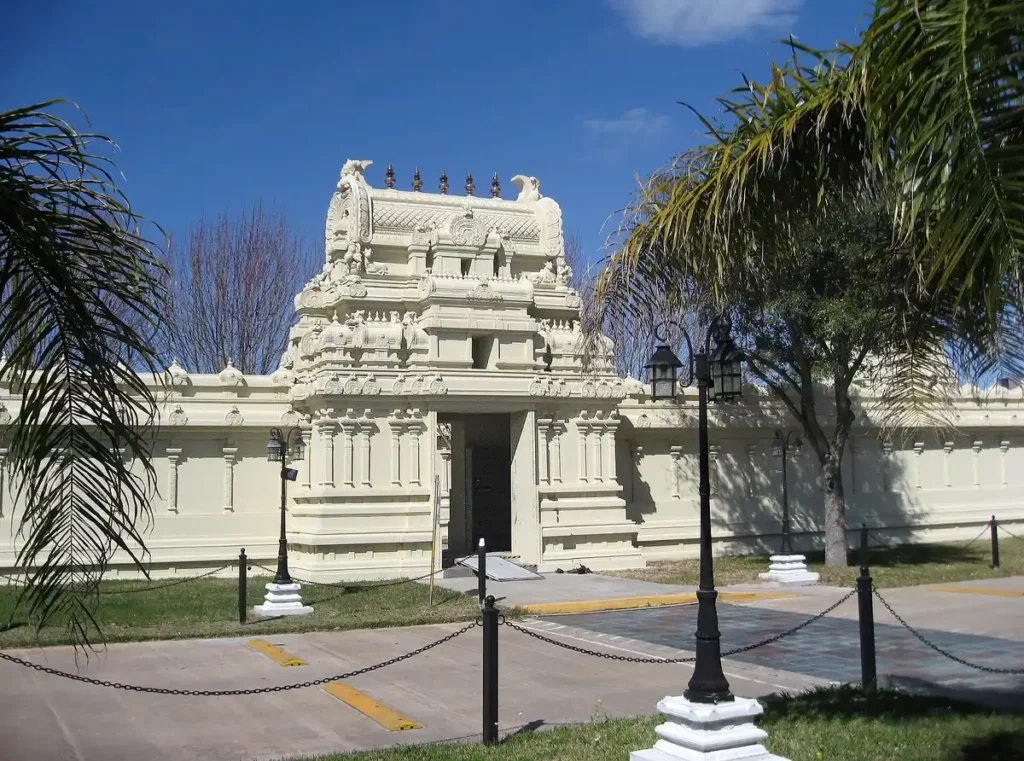
Image: Jim Evans, Wikimedia Commons, CC BY-SA 4.0
How to use this in Mains
If asked: Assess the contribution of the Bhakti movement to Indian society. (GS-I)
Quote: “The greatest legacy of bhakti may be linguistic.”
Use it: A fine thesis line for the cultural legacy.
In the news

Pollen study links Harappan decline to weak monsoon (5100–4000 BP)
A pollen study by the Birbal Sahni Institute of Palaeosciences links the shrinking of the Harappan Civilization to a weak Indian Summer Monsoon between about 5100 and 4000 years before present, the Science Ministry said on 29 July 2026. Sediments from Deoria Tal in the Garhwal Himalaya show an abrupt dry spell, the "4.2 ka event".
29 Jul 2026
Sarnath inscribed as India’s 45th UNESCO World Heritage Site
On 25 July 2026 the 48th World Heritage Committee in Busan inscribed the "Ancient Buddhist Site of Sarnath" on the UNESCO World Heritage List. It is India's 45th property. The serial site in Varanasi covers Chaukhandi Stupa and the Archaeological Remains of Sarnath, where the Buddha gave his first sermon.
25 Jul 2026
Rakhigarhi skeletal remains handed to Anthropological Survey of India
ASI handed human skeletal remains from Rakhigarhi, Haryana, to the Anthropological Survey of India under a new MoU, the Culture Ministry said on 22 June 2026. The 2025-26 dig at Mound No. 7 found eight burials; three complete skeletons plus fragments went to AnSI's Kolkata repository. Planned work includes aDNA, isotopes and palaeopathology with partner labs.
22 Jun 2026
Relics of the Buddha’s chief disciples enshrined for exposition in Mongolia
The holy relics of Arhat Sariputra and Arhat Mahamoggallana, the Buddha's two chief disciples, were ceremonially enshrined at Gandantegchenling Monastery in Ulaanbaatar on Buddha Purnima (Vesak) 2026. Brought from India for a ten-day exposition from 31 May to 10 June 2026, they arrived on a special IAF IL-76 aircraft and had travelled abroad only once before, to Thailand in 2024.
31 May 2026