
FSSAI draft: no added sucrose or fructose in foods for infants up to six months
UPSC has already asked about this. Read the story with these questions in mind.
On 17 October 2026 FSSAI explained a draft rule that would stop companies from adding sucrose (table sugar) or fructose (fruit sugar) to any product meant for babies up to six months old. The draft amends the Foods for Infant Nutrition Regulations, 2020, was published in the Gazette on 16 October, and is open for public comments for 60 days. The idea is simple: in the first six months a baby needs the right nutrients, not an early taste for sugar.
- Gazette
- 16 Oct 2026
- Covers
- Infants up to 6 months
- Stops
- Added sucrose, fructose
- Comments
- 60 days
FSSAI’s infant sugar rule: what happened?
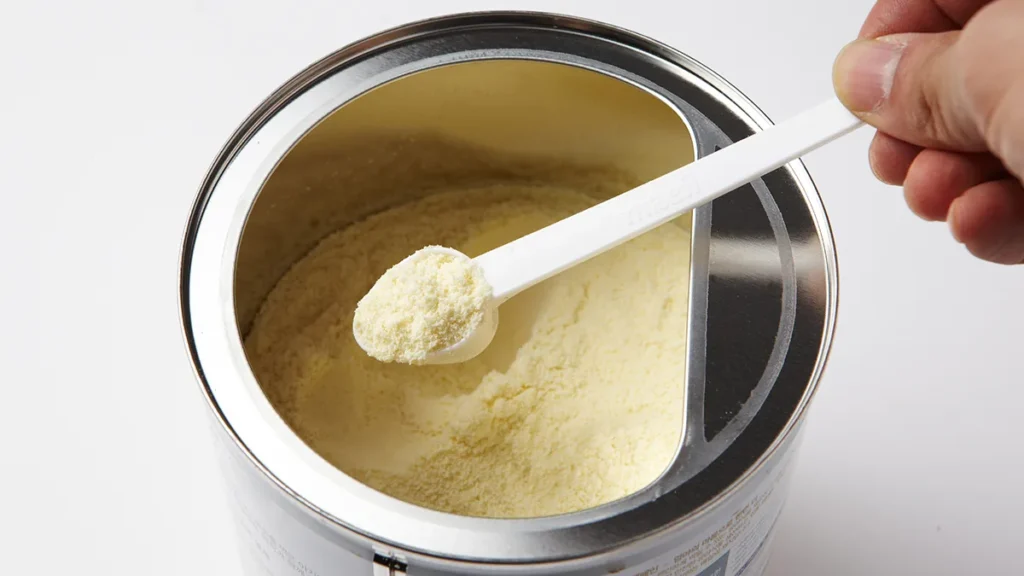
Tins of infant formula sit on every chemist’s shelf, and parents trust that whatever is inside is built for a baby. Nobody can check the recipe at home. That is the job of the regulator, and FSSAI now wants one thing kept out of products for the youngest babies: added sugar.
- 16 Oct 2026: the draft Food Safety and Standards (Foods for Infant Nutrition) Amendment Regulations, 2026 were published in the Gazette of India.
- 17 Oct 2026: FSSAI (via PIB) quoted the proposed line: “sucrose and fructose shall not be added in the products intended for infants up to the age of 6 months”.
- Under the 2020 rules, lactose and glucose polymers are the preferred carbohydrate sources; sucrose and/or fructose may be added only when required, within prescribed limits.
- Stakeholders have 60 days from the date the Gazette copies are made available to send objections and suggestions.
What are the infant nutrition regulations?
- The Food Safety and Standards (Foods for Infant Nutrition) Regulations, 2020 set composition, quality and safety standards for infant nutrition products for children from birth up to 24 months (PIB).
- They are framed by the Food Safety and Standards Authority of India (FSSAI) under the Food Safety and Standards Act, 2006. FSSAI works under the Ministry of Health and Family Welfare.
- The new draft adds one specific restriction for the first six months, the stage when a baby’s food is meant to be breast milk or a breast-milk substitute.
- PIB says the move complements the public health advice of exclusive breastfeeding for the first six months of life.
What changes under the draft?
| Point | 2020 rules (now) | Draft 2026 |
|---|---|---|
| Preferred carbohydrates | Lactose, glucose polymers | No change |
| Added sucrose or fructose, 0–6 months | Allowed when required, within limits | Not to be added |
| Products for older infants (6–24 months) | Covered by the 2020 rules | No new restriction in this draft |
| Status | In force | Draft, open for comments |
Which constitutional and legal provisions apply?
- Seventh Schedule, Concurrent List Entry 18: adulteration of foodstuffs and other goods.
- Food Safety and Standards Act, 2006, Section 92: FSSAI makes regulations with the previous approval of the Centre and after previous publication. That is why a draft comes first and the final rule later.
- Infant Milk Substitutes, Feeding Bottles and Infant Foods (Regulation of Production, Supply and Distribution) Act, 1992 (IMS Act): restricts the promotion of infant milk substitutes to protect breastfeeding.
- Article 47 (DPSP): the State shall regard raising the level of nutrition and improving public health as among its primary duties.
How does a draft become a rule?
From Gazette draft to factory floor
- Draft published in the Gazette (16 Oct 2026)
- 60 days for objections and suggestions
- FSSAI considers the representations
- Final regulation notified
- Makers reformulate products for 0–6 months
Which numbers should you remember?
| Number | What it means |
|---|---|
| 6 months | Age limit for the proposed ban on added sucrose and fructose |
| 24 months | Age range covered by the 2020 infant nutrition rules |
| 60 days | Window for public comments on the draft |
| 63.7% | Children under six months exclusively breastfed, NFHS-5 (2019–21) |
The debate is not new. In April 2024 a Public Eye report alleged that Nestlé added 2.7 g of sugar per serving to Cerelac sold in India, and the Consumer Affairs Ministry asked FSSAI to act (Indian Express). That row was about cereal foods for older babies; the 2026 draft is about products for the first six months.
Why does this rule matter?
| Angle | What to note |
|---|---|
| Public health | FSSAI links early exposure to added sugars with dietary risk factors for childhood obesity. |
| Child nutrition | Backs the message of exclusive breastfeeding in the first six months. |
| Regulation | A clean example of FSSAI’s draft-consult-finalise process. |
| Consumer protection | Parents cannot test a formula’s recipe; standards do it for them. |
What are the challenges?
- The draft covers only the first six months. Foods for babies aged 6 to 24 months, where the 2024 debate began, are not touched by it.
- Rules work only if they are tested. State food labs need the capacity to sample infant products, including those sold online.
- The consultation can bring industry pushback, which may delay or dilute the final rule.
- Product rules do not fix feeding habits. NFHS-5 shows roughly one in three babies under six months is not exclusively breastfed.
What should be done next?
- Finalise the rule soon after the 60 days, with a clear date for compliance.
- Review added sugars in complementary foods for 6 to 24 months on the basis of scientific evidence.
- Step up sampling and testing of infant products, online and offline.
- Pair the rule with breastfeeding support: lactation counselling and the crèche facility required under the Maternity Benefit (Amendment) Act, 2017.
What can Prelims ask on FSSAI’s infant sugar rule?
- FSSAI: statutory body under the FSS Act, 2006; Ministry of Health and Family Welfare.
- Draft: FSS (Foods for Infant Nutrition) Amendment Regulations, 2026; Gazette 16 Oct 2026.
- Proposal: no added sucrose or fructose in products for infants up to 6 months.
- Preferred carbohydrates in infant products: lactose and glucose polymers.
- The 2020 regulations cover products from birth to 24 months.
- IMS Act, 1992 restricts promotion of infant milk substitutes.
How to write about infant food standards in Mains
Practice question (10 marks, 150 words): “Food regulation is preventive healthcare.” Discuss with reference to FSSAI’s October 2026 draft on infant nutrition products.
- Intro: first six months shape lifelong health; draft notified on 16 Oct 2026.
- Body: what changes (no added sucrose or fructose for 0–6 months); why (childhood obesity risk, breastfeeding).
- Process: draft, 60-day consultation, final rule under the FSS Act.
- Gaps: 6–24 month foods, lab capacity, awareness.
- Conclusion: standards plus testing plus breastfeeding support.
Image: National Institute of Korean Language, Wikimedia Commons, CC BY-SA 2.0 KR
How to use this in Mains
If asked: Childhood obesity is emerging as a public health challenge in India. Suggest regulatory measures to address it. (GS-II)
Quote: “The measure is also intended to support broader public health efforts to address concerns associated with early exposure to added sugars, including dietary risk factors linked to childhood obesity and related health challenges.”
Use it: Use it as the latest example in your ‘regulatory measures’ paragraph, right after a line on how food habits formed in infancy last for life.
If asked: Discuss the role of FSSAI in ensuring safe and nutritious food in India. (GS-II)
Quote: “The draft notification has been published for public consultation, inviting objections and suggestions from stakeholders within 60 days from the date on which copies of the Official Gazette containing the notification are made available to the public.”
Use it: Shows that FSSAI’s rule-making is consultative. Use it to balance the common criticism that regulators act without hearing citizens or industry.
Exam angle
Prelims: FSSAI, FSS Act 2006, infant nutrition regulations, IMS Act 1992. · Mains GS-II: child nutrition, preventive health and food regulation.
Practice MCQs
Original practice questions (not PYQs).
With reference to FSSAI’s draft amendment of October 2026 on infant nutrition, consider the following statements:
1. It proposes that sucrose and fructose shall not be added to products intended for infants up to six months of age.
2. Under the existing 2020 regulations, sucrose is the preferred carbohydrate source in infant nutrition products.
Which of the statements given above is/are correct?
Answer (a) & explanation
PIB, 17 Oct 2026: lactose and glucose polymers, not sucrose, are the preferred carbohydrate sources under the 2020 rules.
The Food Safety and Standards (Foods for Infant Nutrition) Regulations, 2020 cover products meant for children from birth up to
Answer (c) & explanation
PIB, 17 Oct 2026: the regulations cover infant nutrition products for children from birth up to 24 months.
Which law restricts the promotion of infant milk substitutes and feeding bottles in India?
Answer (b) & explanation
The Infant Milk Substitutes, Feeding Bottles and Infant Foods (Regulation of Production, Supply and Distribution) Act, 1992 protects breastfeeding by regulating promotion of substitutes.
Questions students ask about this
What has FSSAI proposed?
That sucrose and fructose shall not be added to products meant for infants up to six months of age.
Does it apply to all baby foods?
No. It applies to products for infants up to six months. The 2020 rules cover products up to 24 months, and older-infant foods get no new restriction in this draft.
When will it become law?
After the 60-day consultation, once FSSAI considers the comments and notifies the final regulation.
Why does it matter?
FSSAI links early exposure to added sugars with risk factors for childhood obesity; the rule also supports exclusive breastfeeding in the first six months.
Keep studying
Go deeper
facts from cited sources only; faculty review pending