
Court seeks Centre’s reply on Vande Mataram pleas
Vande Mataram is India’s National Song. This year, two government orders required its full six-stanza version to be sung. Two petitioners say this forces a religious prayer on everyone and hurts minorities. A Bench led by Chief Justice of India Surya Kant has now asked the Centre to reply. Read it to revise Article 25, the Fundamental Duties and the rules on national symbols.
- Song
- Vande Mataram, from Bankim Chandra’s ‘Anandamath’
- Challenged
- Two orders imposing the full six stanzas
- Bench
- Headed by CJI Surya Kant
- Step taken
- Notice issued to the Centre
The Vande Mataram case: what happened?
Most of us know only the first two stanzas of Vande Mataram. The full song has six, and some later stanzas praise the motherland as a goddess. That difference is now in the Supreme Court.
- Two government orders issued this year imposed the full six-stanza version of Vande Mataram.
- Two petitioners, B.D. Borkar, a Phule-Ambedkarite, and former officer Balakrishnan Sathyabhama Mavoji, challenged them.
- They say the orders impose a “sectarian prayer to particular goddesses of one particular religion” as the National Song, and hurt minorities.
- A Bench headed by Chief Justice of India Surya Kant issued notice to the Centre, which means the Centre must now give its reply.
What is the status of Vande Mataram?
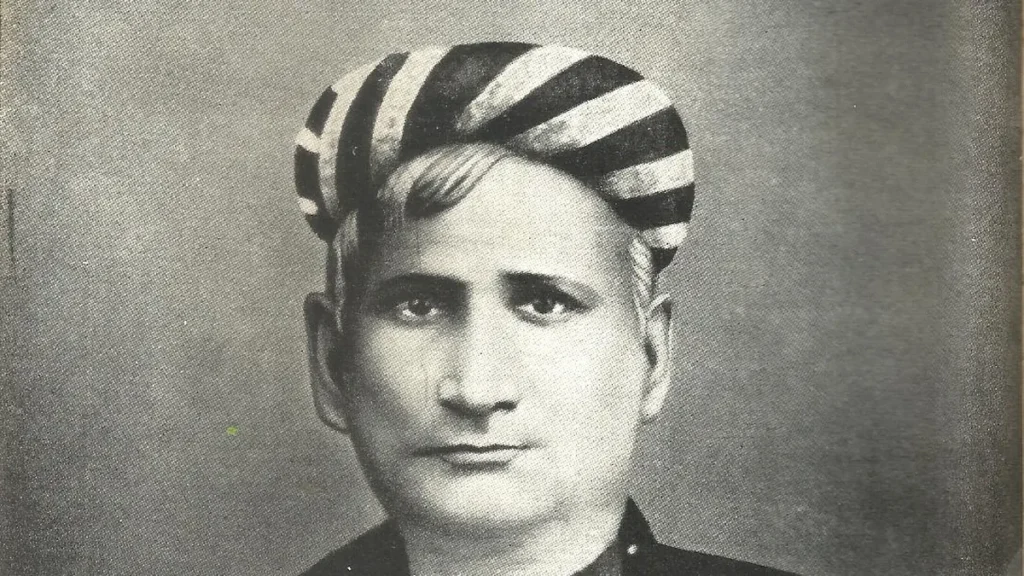
Vande Mataram was written by Bankim Chandra Chattopadhyay and appears in his novel ‘Anandamath’ (1882). It became a rallying cry in the freedom struggle.
In 1937, the Congress decided that only the first two stanzas would be sung at national gatherings, because later stanzas describe the nation as Hindu goddesses.
On 24 January 1950, the Constituent Assembly accepted Jana Gana Mana as the National Anthem and Vande Mataram as the National Song, with equal honour.
But the Constitution names only the National Flag and the National Anthem in the Fundamental Duties. The National Song has no separate law protecting it.
National Anthem versus National Song
| Point | National Anthem | National Song |
|---|---|---|
| Name | Jana Gana Mana | Vande Mataram |
| Written by | Rabindranath Tagore | Bankim Chandra Chattopadhyay |
| In Article 51A? | Yes | No |
| Special law | Prevention of Insults to National Honour Act, 1971 | None |
Which laws and Articles apply?
- Article 25: freedom of conscience and the right to freely profess, practise and spread religion.
- Article 19(1)(a): freedom of speech, which also includes the right to stay silent.
- Article 51A(a): duty to respect the Constitution, the National Flag and the National Anthem.
- Bijoe Emmanuel v. State of Kerala (1986): students cannot be forced to sing the National Anthem if they stand respectfully.
Why does the Vande Mataram case matter?
| Angle | What to note |
|---|---|
| Freedom of religion | Can the State require a song that some see as a religious prayer? |
| National symbols | Respect for symbols versus compulsion. |
| Minority rights | Secularism means the State does not favour one faith. |
| Precedent | Bijoe Emmanuel limits forced singing. |
What are the problems with the Vande Mataram case?
- Compulsion can turn a symbol of unity into a source of division.
- Orders may go beyond what the Constitution itself requires.
- Silence on the law: there is no clear statute for the National Song.
- Political use of national symbols can hurt trust among communities.
What should be done next on the Vande Mataram case?
- Let the Supreme Court set clear limits on compelled singing.
- Encourage respect for national symbols without forcing participation.
- Follow the 1937 and 1950 practice of using the first two stanzas.
- Build unity through choice and pride, not orders.
What can Prelims ask on the Vande Mataram case?
Prelims probability: Expect a question on national symbols: Vande Mataram comes from Anandamath by Bankim Chandra, and Article 51A names the National Anthem, not the National Song.
- Vande Mataram: from ‘Anandamath’ (1882) by Bankim Chandra Chattopadhyay.
- Adopted as National Song: 24 January 1950, equal honour with the National Anthem.
- Article 51A names the National Flag and National Anthem, not the National Song.
- Fundamental Duties: added by the 42nd Amendment (1976); 11 duties now.
- Bijoe Emmanuel (1986): right not to sing the anthem if standing respectfully.
How to write about the Vande Mataram case in Mains
Practice question (15 marks, 250 words): Respect for national symbols and the freedom of conscience both draw strength from the Constitution. Discuss with reference to recent challenges over the National Song.
- Intro: SC notice on pleas against orders imposing the full Vande Mataram.
- Status of the National Song: 1950 decision, no statute.
- Rights: Articles 25 and 19(1)(a); Bijoe Emmanuel case.
- Balance: respect without compulsion; 1937 two-stanza practice.
- Conclusion: unity by choice is stronger than unity by order.
Ready lines for your answer
- The petitioners call the orders a “sectarian prayer to particular goddesses of one particular religion”.
- Respect for symbols cannot be built by forcing people to sing.
Quotable data pointThe Constitution's Fundamental Duties name the National Anthem; the National Song has no separate statute.
Exam angle
Prelims: national symbols, Article 51A, Anandamath. · Mains GS-II: freedom of religion, secularism, role of the judiciary.
Practice MCQs
Original practice questions (not PYQs).
Vande Mataram, India's National Song, is taken from which novel of Bankim Chandra Chattopadhyay?
Answer (d) & explanation
Vande Mataram comes from the novel Anandamath (1882). It was adopted as the National Song on 24 January 1950.
Consider the following statements:
1. The Fundamental Duties are in Article 51A, added by the 42nd Amendment in 1976.
2. Respecting the National Song is expressly listed as a Fundamental Duty.
3. There are now 11 Fundamental Duties.
How many of the above statements are correct?
Answer (b) & explanation
Statements 1 and 3 are correct. The duty is to respect the Constitution, the National Flag and the National Anthem; the National Song is not named.
Questions students ask about this
Why is the Vande Mataram case in the Supreme Court?
Two petitioners challenged orders that imposed the full six-stanza song, saying it forces a religious prayer on everyone.
Is respecting the National Song a Fundamental Duty?
No. Article 51A names the Constitution, the National Flag and the National Anthem, not the National Song.
From which novel is Vande Mataram taken?
From 'Anandamath' (1882) by Bankim Chandra Chattopadhyay.
What did the Bijoe Emmanuel case decide?
Students who stand respectfully cannot be forced to sing the National Anthem, as part of freedom of conscience.