
India backs biodiversity goals at Yerevan summit
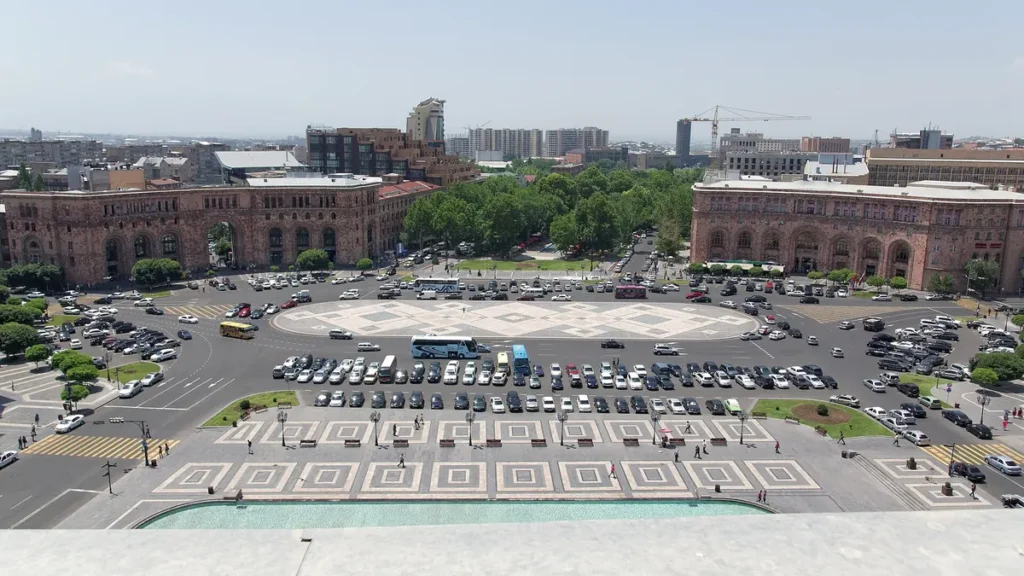
Countries from around the world are meeting in Yerevan, Armenia, for the 17th Conference of the Parties (COP17) to the Convention on Biological Diversity (CBD). Environment Minister Bhupender Yadav said global nature targets must fit each country’s own needs and laws, and asked rich countries for steady money and technology. Read it to revise the CBD, its two protocols and the Kunming–Montreal framework.
- Meeting
- COP17 of the CBD, Yerevan, Armenia
- India’s voice
- Environment Minister Bhupender Yadav
- India’s plan
- 23 national targets, 142 indicators
- Benefit sharing
- Cali Fund for digital sequence information
UPSC has already asked about this. Read the story with these questions in mind.
The biodiversity summit: what happened?
Every medicine made from a plant, every crop gene and every forest that holds rainwater is part of biodiversity. At Yerevan, countries are deciding how to protect it and who pays for it.
- The 17th Conference of the Parties to the CBD is being held in Yerevan, Armenia.
- Environment Minister Bhupender Yadav said world biodiversity targets must fit each country’s own priorities and laws.
- He asked rich countries for steady money, skills and technology for poorer nations.
- India backed sharing gains from digital sequence information (DSI), meaning genetic data stored online, through the Cali Fund.
- He called for a science-based, careful approach to synthetic biology (designing new life forms in the lab) and biosafety.
What is the Convention on Biological Diversity?
The CBD is a global treaty adopted at the Earth Summit in Rio de Janeiro in 1992. It came into force in 1993. Its three goals are: protect biodiversity, use it sustainably and share its benefits fairly.
Its secretariat is in Montreal, Canada. India is a party, and it hosted COP11 in Hyderabad in 2012.
The CBD has two protocols (add-on agreements). The Cartagena Protocol deals with biosafety, meaning safe handling of living modified organisms. The Nagoya Protocol deals with access to genetic resources and fair sharing of benefits.
In December 2022, COP15 adopted the Kunming–Montreal Global Biodiversity Framework. It has 23 targets for 2030, including ’30 by 30′: protect 30% of land and sea by 2030. COP16 in Cali, Colombia, in 2024 set up the Cali Fund, where companies that use DSI are expected to pay into a shared pot.
The CBD family at a glance
| Agreement | Year | What it covers |
|---|---|---|
| CBD | 1992 (in force 1993) | Conserve, use sustainably, share benefits |
| Cartagena Protocol | 2000 | Biosafety of living modified organisms |
| Nagoya Protocol | 2010 | Access and benefit sharing of genetic resources |
| Kunming–Montreal Framework | 2022 | 23 targets for 2030, including 30 by 30 |
Which laws and Articles apply?
- Biological Diversity Act, 2002 (amended in 2023): India’s law to carry out the CBD.
- National Biodiversity Authority (Chennai), State Biodiversity Boards and local Biodiversity Management Committees.
- Article 48A: the State shall protect and improve the environment and safeguard forests and wildlife.
- Article 51A(g): every citizen’s duty to protect the natural environment.
Why does the biodiversity summit matter?
| Angle | What to note |
|---|---|
| Money gap | Poorer countries cannot meet targets without funds and technology. |
| Sovereignty | India wants targets to fit its own laws and priorities. |
| Fair sharing | DSI lets firms use genes without paying; the Cali Fund tries to fix this. |
| New risks | Synthetic biology needs careful biosafety rules. |
What are the problems with the biodiversity summit?
- Rich countries have often missed promises on money for nature.
- Payments into the Cali Fund are largely voluntary, so funds may stay small.
- Most of the earlier Aichi targets for 2020 were not met.
- Protecting 30% of land can clash with the rights of forest dwellers if done badly.
What should be done next on the biodiversity summit?
- Agree clear, steady finance from rich countries.
- Make DSI benefit sharing reach local communities who keep the knowledge.
- Track India’s 23 national targets with its 142 indicators every year.
- Involve local Biodiversity Management Committees and forest communities.
What can Prelims ask on the biodiversity summit?
Prelims probability: Expect a question on the Convention on Biological Diversity: its Cartagena Protocol is on biosafety and its Nagoya Protocol is on access and benefit sharing.
- COP17 of the CBD: Yerevan, Armenia. COP16 was in Cali, Colombia (2024).
- Cartagena Protocol = biosafety. Nagoya Protocol = access and benefit sharing.
- Kunming–Montreal framework: adopted December 2022, 23 targets for 2030, ’30 by 30′.
- CBD secretariat: Montreal. India hosted COP11 in Hyderabad (2012).
- India’s updated NBSAP: 23 national targets and 142 indicators.
How to write about the biodiversity summit in Mains
Practice question (15 marks, 250 words): Global biodiversity targets can succeed only if they respect national priorities and come with finance and technology. Discuss in the context of the Kunming–Montreal Global Biodiversity Framework.
- Intro: COP17 at Yerevan; India’s stand.
- Framework: 23 targets, 30 by 30, finance targets.
- Issues: money gap, DSI sharing, sovereignty, rights of local people.
- India’s work: Biological Diversity Act, NBSAP with 23 targets.
- Conclusion: fair money and fair sharing make targets real.
Ready lines for your answer
- World biodiversity targets must fit each country's own priorities and laws (India at COP17).
- Nature cannot be protected on promises; it needs steady money and shared technology.
Quotable data pointIndia's updated National Biodiversity Strategy and Action Plan has 23 national targets and 142 indicators.
Exam angle
Prelims: CBD, Cartagena and Nagoya Protocols, Kunming–Montreal framework, COP venues. · Mains GS-III: biodiversity conservation, global environment deals.
Practice MCQs
Original practice questions (not PYQs).
The 17th Conference of the Parties to the Convention on Biological Diversity is being held in which city?
Answer (d) & explanation
The 17th Conference of the Parties is being held in Yerevan, Armenia. Cali hosted the 16th meeting.
Consider the following statements:
1. The Cartagena Protocol deals with the biosafety of living modified organisms.
2. The Nagoya Protocol deals with access to genetic resources and sharing of benefits.
3. The Kunming–Montreal Global Biodiversity Framework has 23 targets for 2030.
How many of the above statements are correct?
Answer (c) & explanation
All three are correct. The framework, adopted in December 2022, includes the '30 by 30' target to protect 30% of land and sea.
Questions students ask about this
Where is CBD COP17 being held?
In Yerevan, Armenia. The previous meeting, COP16, was in Cali, Colombia.
What did India say at the summit?
Biodiversity targets must fit each country's priorities and laws, and rich countries should give steady money and technology.
What is the Cali Fund?
A fund where companies that use digital sequence information on genetic resources are expected to pay, so benefits are shared.
What is the difference between the Cartagena and Nagoya Protocols?
Cartagena deals with biosafety of living modified organisms; Nagoya deals with access to genetic resources and benefit sharing.