
Uttar Pradesh makes six months’ stay must for panchayat voters
Who can vote in a village panchayat election? Until now, Uttar Pradesh’s law did not say clearly. The State Cabinet has now set a rule: a voter must be 18 or older and must have lived in the village for six months or more. Read it to revise panchayat voter lists, the State Election Commission and the idea of ‘ordinary residence’.
- Rule
- 18+ and six months’ stay in the village
- Approved
- State Cabinet, 27 October
- Law
- Uttar Pradesh Panchayat Raj Act, 1947
- Who makes rolls
- State Election Commission
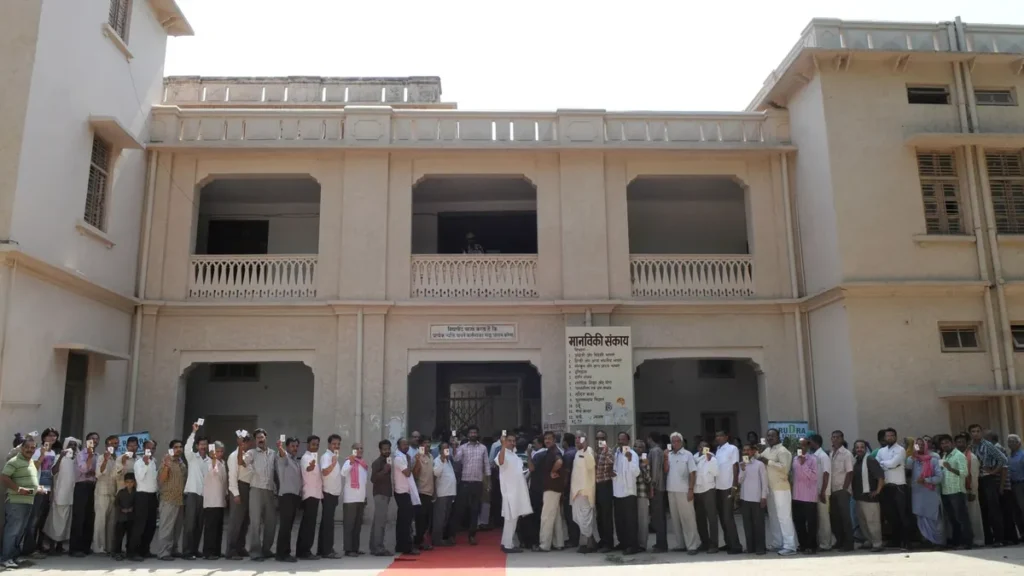
The panchayat voter rule: what happened?
In village polls, a few hundred votes can decide who becomes pradhan. When people who do not really live in a village get added to its list, disputes follow. The State has now drawn a clear line.
- The Uttar Pradesh Cabinet, on 27 October, approved new ordinary-residence rules under the Uttar Pradesh Panchayat Raj Act, 1947.
- A person must be 18 or older and must have lived in the village for six months or more to be a panchayat voter.
- Until now, the law did not clearly say who counts as a village voter.
- The rule follows the Election Commission of India’s idea of ‘ordinary residence’, meaning the place where a person usually lives.
- Documents like Aadhaar or an electricity bill can show residence, and a voter’s entry in the old village must be removed so that each person is listed in one place only.
- Disputes over panchayat voter lists had reached the Allahabad High Court.
Who runs panchayat elections?
The 73rd Amendment, 1992 made panchayat elections a constitutional duty. Under Article 243K, the State Election Commission (SEC) prepares voter lists and conducts panchayat elections. It is separate from the Election Commission of India, which runs Lok Sabha and Assembly polls.
The State Election Commissioner is appointed by the Governor and can be removed only like a High Court judge.
For Lok Sabha and Assembly polls, Section 20 of the Representation of the People Act, 1950 defines ‘ordinarily resident’. Uttar Pradesh’s new rule brings panchayat lists closer to that idea.
The voting age was lowered from 21 to 18 by the 61st Amendment, 1988. Uttar Pradesh has the largest number of gram panchayats of any State.
Who handles which election?
| Election | Body | Constitutional basis |
|---|---|---|
| Lok Sabha and Assembly | Election Commission of India | Article 324 |
| Panchayats | State Election Commission | Article 243K |
| Municipalities | State Election Commission | Article 243ZA |
Which laws and Articles apply?
- Article 243K: State Election Commission for panchayat elections.
- Uttar Pradesh Panchayat Raj Act, 1947: the State’s main panchayat law.
- Section 20, Representation of the People Act, 1950: meaning of ‘ordinarily resident’.
- Article 326 and the 61st Amendment, 1988: adult suffrage at 18.
Why does the panchayat voter rule matter?
| Angle | What to note |
|---|---|
| Clean rolls | Removes bogus and duplicate voters. |
| Fewer disputes | Clear rule reduces court cases. |
| One person, one place | A voter is listed in one village only. |
| Fair contests | Outsiders cannot be added to tilt close village polls. |
What are the problems with the panchayat voter rule?
- Migrant workers who leave for months may lose their village vote.
- Poor people without documents may struggle to prove residence.
- Local officials may misuse the rule to remove opponents’ supporters.
- Six months is a short time to check across thousands of villages.
What should be done next on the panchayat voter rule?
- Allow simple proofs and spot checks by booth officers.
- Protect seasonal migrants who keep a home in the village.
- Publish draft lists early and allow easy objections.
- Link panchayat rolls carefully with Assembly rolls to remove duplicates.
What can Prelims ask on the panchayat voter rule?
Prelims probability: Expect a question: the State Election Commission (Article 243K) prepares panchayat voter lists; Uttar Pradesh now needs six months’ ordinary residence.
- Article 243K: State Election Commission prepares panchayat rolls and conducts polls.
- Uttar Pradesh rule: 18+ and six months’ ordinary residence in the village.
- Uttar Pradesh Panchayat Raj Act, 1947.
- 61st Amendment, 1988: voting age 21 to 18.
- Section 20, RP Act, 1950: ‘ordinarily resident’.
How to write about the panchayat voter rule in Mains
Practice question (UPPCS GS-V, 8 marks, 125 words): Clean electoral rolls are the foundation of free and fair local elections. Discuss Uttar Pradesh’s new six-month residence rule for panchayat voters and its implications.
- Intro: Cabinet decision of 27 October.
- Role of the State Election Commission (Article 243K).
- Benefits: clean rolls, fewer disputes, one person one place.
- Concerns: migrants, documents, misuse.
- Conclusion: clear rules with fair safeguards.
Ready lines for your answer
- A panchayat voter must be 18+ and have lived in the village for six months or more.
- Clean village rolls make for fair village democracy.
Quotable data pointThe State Cabinet approved the ordinary-residence rules on 27 October under the 1947 Act.
Photo: Election Commission of India, GODL-India, via Wikimedia Commons
Exam angle
Prelims: Article 243K, 61st Amendment, ordinary residence. · Mains GS-II: local elections and electoral integrity.
Practice MCQs
Original practice questions (not PYQs).
Under the Constitution, who prepares electoral rolls and conducts elections to panchayats?
Answer (c) & explanation
Article 243K vests the preparation of rolls and the conduct of panchayat elections in the State Election Commission.
Which Constitutional Amendment reduced the voting age from 21 to 18 years?
Answer (d) & explanation
The 61st Amendment Act, 1988 lowered the voting age to 18.
Questions students ask about this
What is Uttar Pradesh's new panchayat voter rule?
A voter must be 18 or older and must have lived in the village for six months or more.
Who prepares panchayat voter lists?
The State Election Commission, under Article 243K.
Under which law were the rules made?
The Uttar Pradesh Panchayat Raj Act, 1947.
Why was the rule needed?
The law did not clearly define a village voter, and disputes over voter lists had reached the Allahabad High Court.