
Fog and very poor air hit Uttar Pradesh after Diwali
A day after Diwali, Uttar Pradesh woke up to fog: visibility fell to zero in Varanasi, 100 metres in Bareilly and 300 metres in Lucknow, and seven places recorded “Very Poor” air. Anpara, a thermal power hub in Sonbhadra, had the worst Air Quality Index at 355, followed by Noida, Khurja and Ghaziabad. The India Meteorological Department expects morning fog and day-long haze for two to three more days. Read it to revise the National Air Quality Index, temperature inversion and the National Clean Air Programme.
- Worst AQI
- Anpara (Sonbhadra) 355, Very Poor
- Other Very Poor readings
- Noida 332, Khurja 331, Ghaziabad 324
- Visibility
- Zero in Varanasi; 100 m in Bareilly; 300 m in Lucknow
- AQI band 301–400
- Very Poor
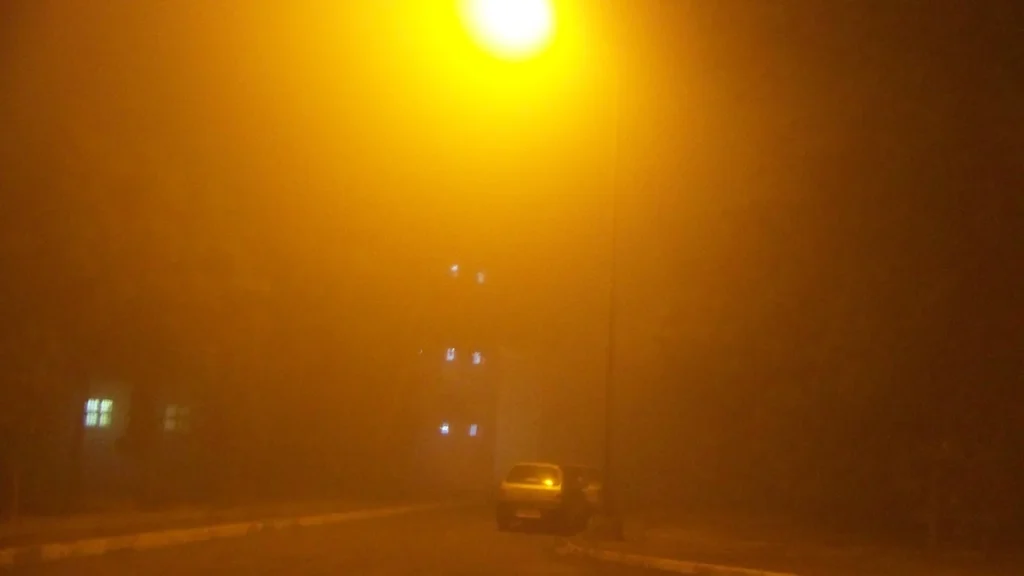
Fog and air after Diwali: what happened?
The crackers go quiet, but the smoke stays — trapped under a lid of cold, still winter air.
- A day after Diwali, Uttar Pradesh woke up to fog: visibility fell to zero in Varanasi, 100 metres in Bareilly and 300 metres in Lucknow, and seven places recorded “Very Poor” air.
- Anpara, a thermal power hub in Sonbhadra, had the worst Air Quality Index at 355, followed by Noida (332), Khurja (331) and Ghaziabad (324); Varanasi, Meerut, Gorakhpur, Lucknow and Prayagraj stayed “Poor”.
- Experts said still, stable air traps pollutants close to the ground; the India Meteorological Department expects morning fog and day-long haze for two to three more days.
- Nationally, the Central Pollution Control Board is now planning ways to capture peak pollution, after several monitoring stations went blank for hours on Deepavali night.
Why does air worsen after Diwali and in early winter?
On the National Air Quality Index, 201–300 is Poor, 301–400 is Very Poor, and above 400 is Severe. The index combines pollutants such as PM2.5 and PM10 into one number that cities report every day.
Temperature inversion in winter traps pollutants close to the ground: a layer of warmer air sits over colder air near the surface, so smoke from crackers, traffic, industry and farm fires cannot rise and disperse.
Photochemical smog, by contrast, needs sunlight: nitrogen dioxide reacts in sunlight to form ozone and peroxyacetyl nitrate. The post-Diwali problem in the north is mainly particulate smog and fog, not night-time photochemical smog.
The National Clean Air Programme was launched in 2019 to cut particulate pollution in listed cities. Festive emissions still overwhelm the monitors, and gaps appear when stations go blank at the very hour when peaks should be recorded.
Uttar Pradesh snapshot
| Place | What was recorded |
|---|---|
| Anpara, Sonbhadra | AQI 355, Very Poor |
| Noida / Khurja / Ghaziabad | 332 / 331 / 324, Very Poor |
| Varanasi visibility | Zero |
| Bareilly / Lucknow visibility | 100 m / 300 m |
Which programmes and ideas apply?
- National Air Quality Index bands: 201–300 Poor; 301–400 Very Poor; above 400 Severe.
- National Clean Air Programme, launched in 2019.
- Central Pollution Control Board and State boards as monitoring authorities.
- India Meteorological Department fog and haze forecasts.
Why does post-Diwali fog and air quality in Uttar Pradesh matter?
| Angle | What to note |
|---|---|
| Environment | Shows how weather and emissions combine after a festival. |
| Health | Very Poor air and zero visibility are a public-health and transport risk. |
| Governance | Blank monitors on Deepavali night hide the peak the public needs to see. |
| Prelims | AQI bands, NCAP 2019, temperature inversion, photochemical smog. |
What are the problems with post-Diwali fog and air quality in Uttar Pradesh?
- Monitoring stations went blank for hours on Deepavali night.
- Thermal clusters such as Anpara add a year-round industrial load.
- Winter inversion is natural; firework and farm-fire smoke is not inevitable at this scale.
- City plans under the clean air programme still lag on enforcement.
What should be done next on post-Diwali fog and air quality in Uttar Pradesh?
- Keep monitors running through festival nights so peaks are recorded.
- Cut festive and industrial emissions before winter inversion sets in.
- Share IMD fog warnings with transport and school authorities early.
- Strengthen National Clean Air Programme actions in the worst cities and industrial hubs.
What can Prelims ask on post-Diwali fog and air quality in Uttar Pradesh?
Prelims probability: High. Trend: World Health Organization guidelines (2022), smog (2013; the State 2022), clean air programme (the State 2020). Freshness: post-Diwali readings. Testable facts: Index bands; Anpara highest at 355.
- AQI 301–400 is Very Poor; 201–300 is Poor; above 400 is Severe.
- Anpara 355 was the worst reading named; Noida 332.
- National Clean Air Programme launched in 2019.
- Temperature inversion traps winter pollutants near the ground.
- Photochemical smog needs sunlight; it does not form mainly at night.
How to write about post-Diwali fog and air quality in Uttar Pradesh in Mains
Practice question (15 marks, 250 words): Winter air in northern India often turns Very Poor after Diwali. Explain the role of temperature inversion and evaluate the National Clean Air Programme in this context.
- Intro: post-Diwali fog and Anpara AQI 355.
- AQI bands and what Very Poor means.
- Inversion, fireworks, industry and farm fires.
- NCAP 2019 and the problem of blank monitors.
- Way forward: measure the peak, cut emissions, warn early.
Ready lines for your answer
- A blank monitor is not clean air.
- Winter inversion is the lid; emissions are the smoke under it.
Quotable data pointAnpara 355; Noida 332; Varanasi visibility zero; NCAP 2019.
Photo: Krantikumarkk, Public domain, via Wikimedia Commons
Exam angle
Prelims: AQI bands, NCAP 2019, inversion. · Mains GS-III: air pollution.
Practice MCQs
Original practice questions (not PYQs).
On the National Air Quality Index, a value between 301 and 400 falls in which category?
Answer (d) & explanation
201–300 is Poor, 301–400 is Very Poor, and above 400 is Severe.
Consider the following statements:
1. The National Clean Air Programme was launched in 2019.
2. Temperature inversion in winter traps pollutants close to the ground.
3. Photochemical smog forms mainly at night in the absence of sunlight.
How many of the above statements are correct?
Answer (b) & explanation
Statements 1 and 2 are correct. Photochemical smog needs sunlight: nitrogen dioxide reacts in sunlight to form ozone and peroxyacetyl nitrate.
Questions students ask about this
Which place had the worst air in the report?
Anpara in Sonbhadra, with an Air Quality Index of 355 (Very Poor).
What does an AQI of 301–400 mean?
Very Poor. 201–300 is Poor, and above 400 is Severe.
How bad was visibility?
Zero in Varanasi, 100 metres in Bareilly and 300 metres in Lucknow.
When was the National Clean Air Programme launched?
In 2019.
Does photochemical smog form mainly at night?
No. It needs sunlight, when nitrogen dioxide reacts to form ozone and peroxyacetyl nitrate.