
Retail inflation crosses 6%, highest in two years
Retail inflation rose to 6.09% in October 2026, up from 5.54% in September. It is the first time in two years that it has crossed the Reserve Bank of India’s upper limit of 6%. Food led the jump at 8.94%, with onion prices up 116% in a year, and the rise has now spread to almost every group of goods and services. Read it to revise how inflation is measured, what the 4% target means and what the Reserve Bank can do next.
- October retail inflation
- 6.09%, up from 5.54% in September
- Food inflation
- 8.94%; onion up 116%, garlic 61%
- Villages vs cities
- 6.63% in villages, 5.41% in cities
- Repo rate
- Raised to 5.5% in October
Retail inflation crosses 6%: what happened?
Inflation simply means prices going up. When the same ₹100 buys less sabzi than last year, that is inflation at work — and in October it crossed the line the Reserve Bank is supposed to defend.
- Retail inflation rose to 6.09% in October 2026, from 5.54% in September. This is the first time in two years that it has gone above the Reserve Bank’s upper limit of 6%.
- Food prices rose fastest. Food inflation touched 8.94%. Onion was up 116%, garlic 61% and ginger 48% compared with a year ago.
- Costlier fuel pushed transport inflation to 5.8%. The rise has also spread to clothes, footwear, education and eating out.
- Inflation in villages (6.63%) is higher than in cities (5.41%), because food takes a bigger share of a village family’s budget.
- The Reserve Bank raised the repo rate to 5.5% in October. Economists now expect another 0.25 percentage point hike in December.
How is retail inflation measured?
Retail inflation is measured by the Consumer Price Index (CPI). Think of it as a fixed shopping basket — food, fuel, clothes, rent, school fees — whose price is checked every month. The basket now uses 2024 as the base year (2024 = 100), released by the Ministry of Statistics.
Since 2016 India follows inflation targeting: the government sets a target of 4% retail inflation, with a band of 2% to 6%. A six-member Monetary Policy Committee (three from the Reserve Bank, three named by the government) sets the repo rate to keep inflation in that band.
The repo rate is the rate at which the Reserve Bank lends to banks. When it rises, loans become costlier, people and firms borrow and spend a little less, and price pressure cools.
Where inflation stands
| Measure | October 2026 |
|---|---|
| Headline retail inflation | 6.09% |
| Food inflation | 8.94% |
| Rural inflation | 6.63% |
| Urban inflation | 5.41% |
| Transport inflation | 5.8% |
Which laws and rules apply?
- Reserve Bank of India Act, 1934 (amended 2016): inflation target and the Monetary Policy Committee (Section 45ZA onwards).
- Target: 4% retail inflation with a band of 2% to 6%, set by the government every five years.
- If inflation stays outside the band for three quarters in a row, the Reserve Bank must write to the government explaining why and what it will do.
- The Consumer Price Index is compiled by the National Statistics Office under the Ministry of Statistics.
Why does retail inflation matter?
| Angle | What to note |
|---|---|
| Economy | Shows how food and fuel shocks feed into prices across the economy. |
| Monetary policy | Tests the inflation-targeting system and the repo rate tool. |
| Social justice | Food inflation hurts poor and rural families the most. |
| Prelims | CPI base 2024, 4% target with 2%–6% band, six-member committee. |
What are the problems with retail inflation?
- Food prices depend on weather and supply, which a repo rate hike cannot fix directly.
- Higher interest rates can slow loans, investment and jobs.
- Rural families face higher inflation but have smaller savings to absorb it.
- Wide price swings in onion and garlic point to weak storage and supply chains.
What should be done next on retail inflation?
- Improve storage, cold chains and buffer stocks for onion and other perishables.
- Use timely imports and stock limits to calm sudden food price spikes.
- Keep rate hikes measured so growth is not hurt more than needed.
- Communicate clearly so people’s expectations of future prices stay anchored.
What can Prelims ask on retail inflation?
Prelims probability: High. Inflation is asked almost every year (2011 base effect, 2020 retail and wholesale indices). Fresh: first breach of 6% in two years on the new 2024 base. Testable facts: 4% target with a 2% to 6% band, six-member committee, base year 2024.
- October 2026 retail inflation: 6.09%, first breach of 6% in two years.
- Food inflation 8.94%; onion up 116% year on year.
- Consumer Price Index base year: 2024 = 100.
- Target 4%, band 2% to 6%; Monetary Policy Committee has six members.
- Repo rate: rate at which the Reserve Bank lends to banks; raised to 5.5% in October.
How to write about retail inflation in Mains
Practice question (15 marks, 250 words): Retail inflation has crossed the upper tolerance limit for the first time in two years. Discuss the causes of the recent rise and examine whether monetary policy alone can control food-driven inflation.
- Intro: 6.09% in October, first breach of 6% in two years; food at 8.94%.
- Causes: vegetable supply shocks, costlier fuel, spread to services.
- Role of the Monetary Policy Committee and repo rate; its limits on food prices.
- Supply-side steps: storage, cold chains, buffer stocks, trade policy.
- Conclusion: monetary and supply measures must work together.
Ready lines for your answer
- Interest rates can cool demand, but they cannot grow onions.
- Food inflation is the most unequal tax of all.
Quotable data pointOctober 2026 retail inflation 6.09% (food 8.94%, rural 6.63%, urban 5.41%); repo 5.5%.
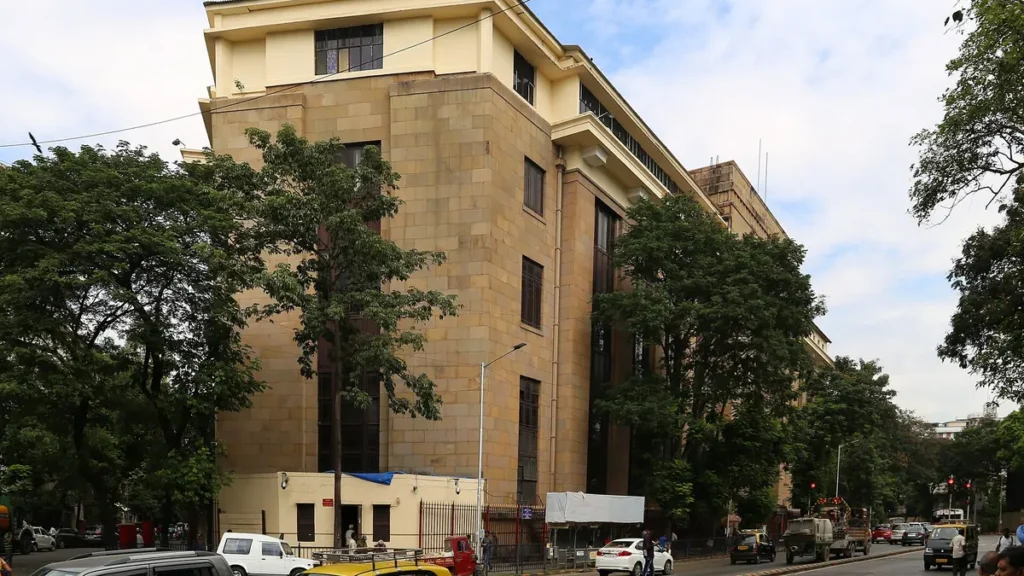
Photo: Sailko, CC BY 3.0, via Wikimedia Commons
Exam angle
Prelims: CPI base 2024, 4% target, 2%–6% band, six-member MPC. · Mains GS-III: inflation, monetary policy and food prices.
Practice MCQs
Original practice questions (not PYQs).
Consider the following statements:
1. The Monetary Policy Committee has six members.
2. The Wholesale Price Index covers the prices of services.
3. Headline inflation in India is measured using the Wholesale Price Index.
How many of the above statements are correct?
Answer (a) & explanation
Only statement 1 is correct. The Wholesale Price Index does not cover services, and headline inflation is measured by the combined Consumer Price Index.
Questions students ask about this
What does 6.09% retail inflation mean in simple words?
On average, the same basket of goods and services costs about 6.09% more than it did in October 2025. Something that cost ₹100 then costs about ₹106 now.
Why is 6% such an important number?
India’s target is 4% retail inflation, with an allowed band of 2% to 6%. Crossing 6% means inflation has gone above the top of the band the Reserve Bank is meant to defend.
Why is inflation higher in villages than in cities?
Food takes a bigger share of what a village family spends. So when food prices rise fast, the rural index rises more.
What is the repo rate and how does raising it help?
It is the rate at which the Reserve Bank lends to banks. A higher repo rate makes loans costlier, so people and firms spend a little less, which cools prices over time.
What is the base year of the Consumer Price Index now?
2024. The index sets 2024 prices at 100 and compares every later month with that.
Can a rate hike bring down onion prices?
Not directly. Onion prices depend on harvests, storage and supply. That is why supply-side steps such as storage and buffer stocks matter as much as interest rates.