
New Rent-A-Cab scheme: start a cab firm with five cars
The Ministry of Road Transport and Highways has released a draft of a new Rent-A-Cab scheme for public comments. It will replace the scheme of 1989 and start in 2027. A firm will need only five cars to start, instead of 50, with at least two cabs at each place of work. One branch will be enough, in place of branches in five tourist cities. One State-wide licence will cost ₹25,000. Licences must be given or renewed within 60 days. Customers may hire a car with a driver or drive it themselves. Cabs must have location tracking, first-aid kits and insurance for riders. Drivers need police checks. The scheme covers cabs at airports, stations and tourist spots, but not app-based aggregators like Ola and Uber. Read it to revise the Motor Vehicles Act and how transport licences work.
- What is new
- Draft scheme to replace the 1989 rules, to start in 2027
- Minimum fleet
- Five cars, instead of 50; at least two cabs at each place of work
- Licence
- One State-wide licence at ₹25,000; grant or renewal within 60 days
- Who is left out
- App-based aggregators such as Ola and Uber are not covered
What does the draft Rent-A-Cab scheme change?
For more than three decades a cab firm needed a fleet of 50 cars before it could start. The new draft cuts that to five — and writes passenger safety into the licence itself.
- The Ministry of Road Transport and Highways has released a draft of a new Rent-A-Cab scheme for public comments. It will replace the scheme of 1989 and start in 2027.
- A firm will need only five cars to start, instead of 50, with at least two cabs at each place of work. One branch will be enough, in place of branches in five tourist cities.
- One State-wide licence will cost ₹25,000. Licences must be given or renewed within 60 days. Customers may hire a car with a driver or drive it themselves.
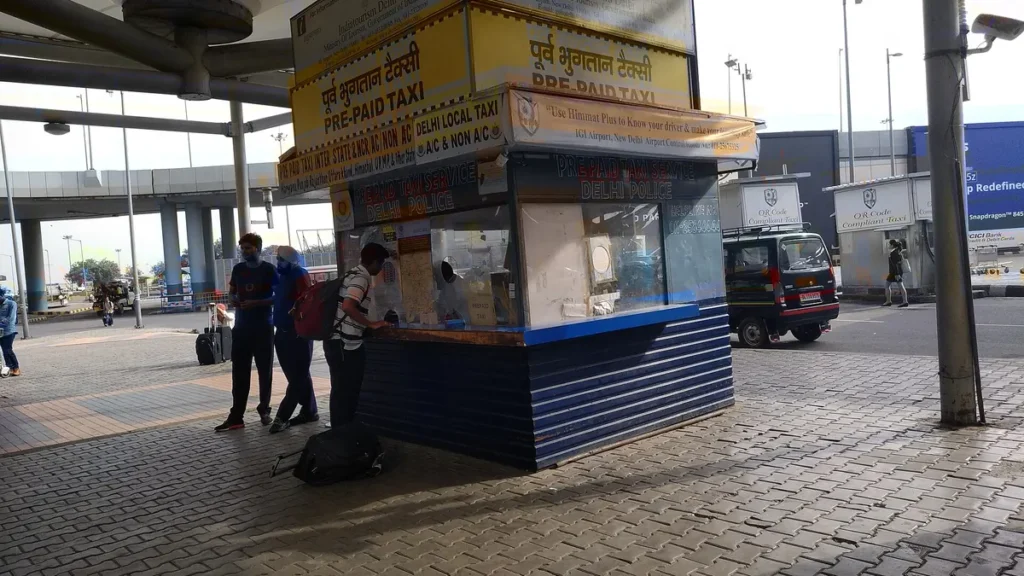
- Cabs must have location tracking, first-aid kits and insurance for riders. Drivers need police checks. The scheme covers cabs at airports, stations and tourist spots, but not app-based aggregators like Ola and Uber.
How are cabs licensed, and why rewrite a 1989 scheme?
The Motor Vehicles Act, 1988 is the main law for licensing drivers, registering vehicles and regulating transport vehicles, including cabs offered on hire.
The 1989 Rent-A-Cab scheme was written for a smaller, hotel-and-tourism market. A minimum fleet of 50 cars and branches in five tourist cities shut out small firms. The draft tries to lower that door.
Passenger safety rules in the draft — location tracking, first-aid kits, insurance and police verification of drivers — reflect a market in which hired cars are used far more often, and in which women passengers in particular have asked for traceable, safer rides.
The Vahan database is the national register of vehicles. A State-wide licence that must be decided in 60 days is meant to cut delay and make the paper trail visible on that register.
1989 scheme and the 2027 draft
| Point | 1989 scheme | 2027 draft |
|---|---|---|
| Minimum fleet | 50 cars | Five cars; at least two at each place of work |
| Branches | In five tourist cities | One branch is enough |
| Licence | Older, multi-city conditions | One State-wide licence at ₹25,000; 60-day decision |
| Safety | Limited specific mandates | Tracking, first-aid, rider insurance, police checks |
| Self-drive | Not the later default | Hire with a driver or drive the car yourself |
Which laws and systems apply?
- Motor Vehicles Act, 1988: licensing of drivers and transport vehicles, including cabs on hire.
- Draft Rent-A-Cab scheme (to replace the 1989 scheme from 2027): fleet size, State-wide licence and safety conditions.
- Code on Social Security, 2020: the wider framework for social security of workers, including those in transport.
- Vahan: the national register of vehicles, on which licensed cabs can be traced.
Why does the new Rent-A-Cab scheme matter?
| Angle | What to note |
|---|---|
| Governance | A 36-year-old scheme is being rewritten to lower entry barriers and add safety conditions. |
| Economy and employment | A five-car minimum can let small firms and first-generation owners enter the cab market. |
| Social issues | Tracking, insurance and police checks speak to passenger safety, especially for women. |
| Prelims | Motor Vehicles Act, 1988; Code on Social Security, 2020; Vahan; start year 2027; licence fee ₹25,000. |
What are the problems with the new Rent-A-Cab scheme?
- App-based aggregators, which now handle a large share of city rides, are left out, so two cab markets will run on different rulebooks.
- A five-car firm may struggle to keep two cabs at every workplace and still make a living, especially outside big cities.
- Police verification and insurance only work if they are checked in practice, not only written into the licence.
- A 60-day deadline is useful only if States actually decide applications in time and publish the result.
What should be done next on the new Rent-A-Cab scheme?
- The final scheme should say clearly how a licensed cab firm relates to an aggregator, so that passengers know who is accountable.
- Safety conditions should be audited, and a cancelled licence should be visible at once on Vahan.
- States need staff and a simple online window if the 60-day rule is to mean anything.
- Worker social security, under the 2020 Code, should not be forgotten when the focus is on firms and fleets.
What can Prelims ask on the new Rent-A-Cab scheme?
Prelims probability: Low. No direct past question, but transport rules touch daily life. Testable facts: the Motor Vehicles Act, 1988, the Code on Social Security, 2020, and the Vahan register.
- The draft replaces the Rent-A-Cab scheme of 1989 and is to start in 2027.
- Minimum fleet: five cars, not 50; at least two cabs at each place of work.
- One State-wide licence at ₹25,000; grant or renewal within 60 days.
- Motor Vehicles Act, 1988; Code on Social Security, 2020; Vahan register.
- App-based aggregators such as Ola and Uber are not covered.
How to write about the new Rent-A-Cab scheme in Mains
Practice question (15 marks, 250 words): The draft Rent-A-Cab scheme lowers the entry barrier for cab firms and adds passenger safety rules. Discuss the changes and the issues that remain, including the exclusion of app-based aggregators.
- Open with the shift from a 50-car minimum in 1989 to five cars from 2027, and the ₹25,000 State-wide licence.
- Place the scheme under the Motor Vehicles Act, 1988, and mention Vahan and the 2020 social security code.
- Explain the new safety conditions: tracking, first-aid, insurance and police checks.
- Discuss the gap: aggregators are out of the scheme, so the largest part of the city cab market may remain on another rulebook.
- Close with what would make the reform real: timely licences, visible enforcement, and a clear line of accountability for the passenger.
Ready lines for your answer
- A licence that only the big can afford is a barrier dressed up as a rule.
- Safety conditions on paper matter only when a cancelled licence is visible the same day.
Quotable data pointDraft to replace the 1989 scheme from 2027; minimum fleet five cars (not 50); one State-wide licence ₹25,000; 60-day grant or renewal; aggregators excluded.
Photo: Sasha India, CC BY-SA 2.0, via Wikimedia Commons
Exam angle
Prelims: Motor Vehicles Act, 1988; Code on Social Security, 2020; Vahan; 2027 start; five-car minimum. · Mains GS-II: government policy and regulation of transport.
Practice MCQs
Original practice questions (not PYQs).
Under the draft Rent-A-Cab scheme of 2026, what is the minimum number of vehicles needed to start a cab rental business?
Answer (b) & explanation
The draft cuts the minimum fleet from 50 vehicles to five, with at least two cabs at each place of operation.
Consider the following statements:
1. The draft Rent-A-Cab scheme covers app-based cab aggregators such as Ola and Uber.
2. It proposes a single State-wide licence at a uniform fee of ₹25,000.
3. The Rent-A-Cab scheme is framed under the Motor Vehicles Act, 1988.
How many of the above statements are correct?
Answer (b) & explanation
Statements 2 and 3 are correct. The scheme does not cover aggregators; it is limited to operators who own vehicles.
Questions students ask about this
When will the new Rent-A-Cab scheme start?
It is a draft for public comments. It will replace the 1989 scheme and is to start in 2027.
How many cars will a firm need to start?
Five cars, instead of 50, with at least two cabs at each place of work.
What will a licence cost?
One State-wide licence will cost ₹25,000. It must be given or renewed within 60 days.
Does the scheme cover Ola and Uber?
No. App-based aggregators are not covered. It covers cabs at airports, stations and tourist spots.
What safety rules are proposed?
Location tracking, first-aid kits, insurance for riders, and police checks for drivers.