
Ganga water treaty with Bangladesh ends in four weeks
The 30-year-old Ganga Water Treaty between India and Bangladesh ends in December, only four weeks away. Manjur Ahmed Chowdhury, a former head of Bangladesh’s river conservation commission, says a full new treaty cannot be agreed in so little time. He suggests renewing the old treaty for three to five years. It needs a green signal from the top leaders of both countries. Without a treaty, India has no duty to release water at fixed times. That could hurt Bangladesh’s farms from February, when it needs Ganga water most. Read it to revise the 1996 treaty, Farakka Barrage, the lean-season sharing formula, shared rivers and the Teesta.
- What expires
- The 1996 Ganga Water Treaty between India and Bangladesh, after 30 years
- When
- In December 2026, about four weeks from 16 November
- The suggestion
- Manjur Ahmed Chowdhury, a former head of Bangladesh’s river conservation commission, urges a three-to-five-year renewal
- The risk
- Without a treaty, India has no duty to release water at fixed times; Bangladesh’s farms could be hurt from February
What happens when the 1996 treaty runs out?
A river does not expire. A treaty does. In four weeks the document that tells India how to share Ganga water with Bangladesh in the dry months will run out, unless both sides renew it.
- The 30-year-old Ganga Water Treaty between India and Bangladesh ends in December, only four weeks away.
- Manjur Ahmed Chowdhury, a former head of Bangladesh’s river conservation commission, says a full new treaty cannot be agreed in so little time.
- He suggests renewing the old treaty for three to five years. It needs a green signal from the top leaders of both countries.
- Without a treaty, India has no duty to release water at fixed times. That could hurt Bangladesh’s farms from February, when it needs Ganga water most.
What did the 1996 treaty do, and what is still unsettled?
The Ganga Water Treaty was signed in 1996 for 30 years. It sets a formula for sharing the Ganga’s waters at Farakka during the lean season, from January to May, when the river is at its lowest and both countries need it most.
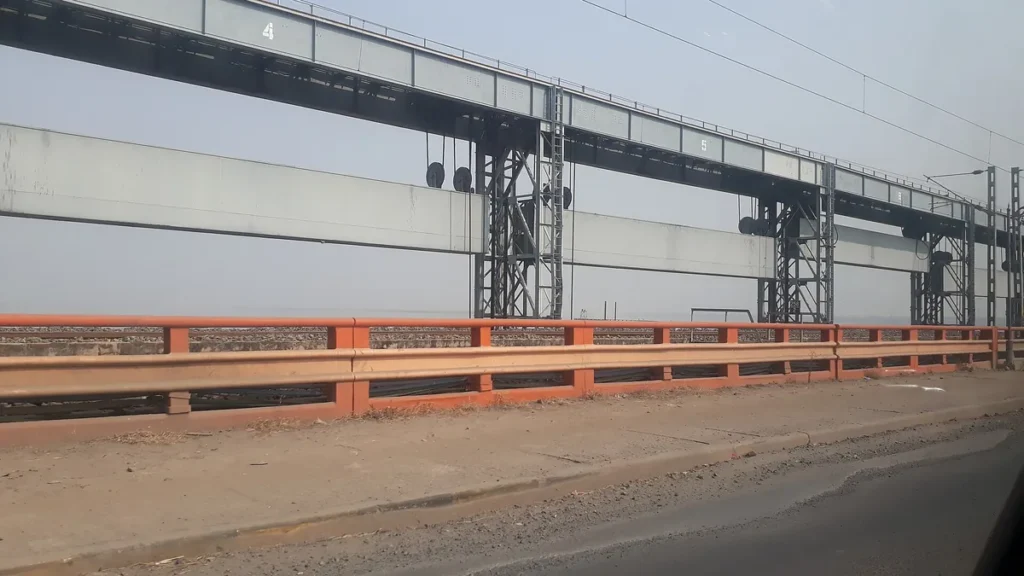
Farakka Barrage, in West Bengal, was built to divert water into the Hooghly so that Kolkata’s port could be kept flushed. That diversion is the reason a sharing formula was needed, and why the measuring point in the treaty is at Farakka.
India and Bangladesh share many rivers. The Teesta is the most closely watched after the Ganga, and a long-discussed sharing arrangement for it has not been settled. A lapse on the Ganga would therefore land in an already crowded river relationship, not in a blank space.
A short renewal of three to five years, as the Bangladeshi expert suggests, would keep the lean-season releases in place while a longer treaty is negotiated. It would still need political clearance at the top in both capitals, which is why the four-week deadline is tight.
The treaty at a glance
| Item | What to note |
|---|---|
| Treaty and term | Ganga Water Treaty, signed in 1996 for 30 years; ends in December 2026 |
| What it shares | Ganga waters at Farakka in the lean season, January to May |
| Why Farakka matters | The barrage diverts water into the Hooghly to flush Kolkata’s port |
| The stop-gap idea | A three-to-five-year renewal, pending a full new treaty |
Which instruments and institutions apply?
- Ganga Water Treaty, 1996: the 30-year agreement on lean-season sharing of Ganga waters at Farakka; it expires in December 2026.
- Farakka Barrage: the diversion structure in West Bengal whose releases into the Hooghly, and whose residual flow downstream, the treaty measures.
- Joint river institutions of India and Bangladesh exist to discuss shared rivers, including the Ganga and the Teesta; they cannot by themselves extend a treaty that needs political clearance.
- Water is a State subject in India, but an international river treaty is signed and renewed by the Union government, in consultation with the States that share the basin.
Why does the Ganga water treaty matter?
| Angle | What to note |
|---|---|
| International relations | A lapsed treaty on a shared river is a diplomatic test, not only a hydrological one, because it removes a fixed duty just when the dry season begins. |
| Water and geography | Farakka, the Hooghly and the January-to-May lean season are standard facts; this deadline puts them back in the news. |
| Prelims | 1996 treaty, 30 years, Farakka Barrage, lean season January to May, Teesta still unsettled. |
| Federalism | The Union signs the treaty; West Bengal lives with the barrage and the downstream politics. |
What are the problems with the Ganga water treaty?
- Waiting until four weeks before expiry to talk of a renewal leaves almost no time for a full new treaty, as the Bangladeshi expert says.
- A short rollover still needs a green signal from the top leaders of both countries; a technical draft is not enough.
- Without a treaty, there is no fixed duty to release water, which would hit Bangladesh’s farms from February, the very months the treaty was written to protect.
- The Teesta remains unsettled; a lapse on the Ganga would add a second open wound to the same river relationship.
What should be done next on the Ganga water treaty?
- A political decision on a three-to-five-year renewal should be taken before December, so that lean-season releases in January are not left to chance.
- Use the renewal window, if it is agreed, to negotiate a longer treaty with a clear review clause, rather than another last-minute scramble in a few years.
- Keep the Teesta talks on a separate, honest track, so that one river’s delay does not sink the other.
- Publish, in both countries, a plain account of what the Farakka formula does in the lean months, so that the debate is about numbers and not only about slogans.
What can Prelims ask on the Ganga water treaty?
Prelims probability: High. The Teesta was asked in 2017. The treaty expiry in December is a clear current hook. Testable facts: 1996 treaty, Farakka Barrage, Hooghly, January to May lean season.
- The Ganga Water Treaty of 1996, a 30-year agreement, expires in December 2026.
- It shares Ganga waters at Farakka in the lean season, January to May.
- Farakka Barrage in West Bengal diverts water into the Hooghly to flush Kolkata’s port.
- Manjur Ahmed Chowdhury, a former head of Bangladesh’s river conservation commission, urges a three-to-five-year renewal because a full new treaty cannot be agreed in time.
- Without a treaty, India has no duty to release water at fixed times, which could hurt Bangladesh’s farms from February. The Teesta sharing arrangement remains unsettled.
How to write about the Ganga water treaty in Mains
Practice question (15 marks, 250 words): The 1996 Ganga Water Treaty with Bangladesh is due to expire in December 2026. Discuss its main provisions and the implications of a lapse, and suggest a way forward.
- Open with the deadline: the 30-year treaty ends in December, only four weeks away, and a former Bangladeshi river official has urged a three-to-five-year renewal.
- Explain the lean-season formula at Farakka, January to May, and why the barrage and the Hooghly made a treaty necessary.
- State the risk: without a treaty, India has no duty to release water at fixed times, which could hurt Bangladesh’s farms from February.
- Place the Ganga beside the still-unsettled Teesta, and note that a renewal needs political clearance in both capitals.
- Close with a time-bound rollover, a longer treaty with a review clause, and an honest, separate track for the Teesta.
Ready lines for your answer
- A river does not expire; a treaty does, and the dry season begins in January.
- Four weeks is enough for a renewal, and not enough for a new bargain.
Quotable data pointGanga Water Treaty, 1996, 30 years, expires December 2026; lean-season sharing at Farakka, January–May; Farakka Barrage diverts water into the Hooghly; Manjur Ahmed Chowdhury urges a 3–5 year renewal; without a treaty, no fixed release duty, risk to Bangladesh’s farms from February.
Photo: Pinakpani, CC BY-SA 4.0, via Wikimedia Commons
Exam angle
Prelims: 1996 treaty, Farakka Barrage, lean season January to May, Teesta. · Mains GS-II: India–Bangladesh relations and shared rivers.
Practice MCQs
Original practice questions (not PYQs).
The Ganga Water Treaty between India and Bangladesh, which expires in December 2026, was signed in
Answer (c) & explanation
It was signed in December 1996 for 30 years. 1972 is the year the Joint Rivers Commission was set up.
Consider the following statements:
1. The Farakka Barrage diverts Ganga water into the Hooghly river.
2. The Ganga Water Treaty shares the river's flow during the monsoon months of June to September.
3. India and Bangladesh share 54 rivers.
How many of the above statements are correct?
Answer (b) & explanation
Statements 1 and 3 are correct. The treaty shares the dry-season flow at Farakka from January to May.
Questions students ask about this
When does the Ganga Water Treaty expire?
In December 2026, thirty years after it was signed in 1996, and only about four weeks from 16 November.
What does the treaty actually share?
Ganga waters at Farakka during the lean season, from January to May.
Why is Farakka central to the treaty?
Farakka Barrage, in West Bengal, diverts water into the Hooghly to flush Kolkata’s port. The treaty measures sharing at that point.
What has the Bangladeshi expert suggested?
Manjur Ahmed Chowdhury, a former head of Bangladesh’s river conservation commission, says a full new treaty cannot be agreed in time and suggests a three-to-five-year renewal, with a green signal from both countries’ top leaders.
What happens if there is no treaty?
India would have no duty to release water at fixed times. That could hurt Bangladesh’s farms from February, when it needs Ganga water most.