
UPSC Mains 2023 GS2 Q12: model answer
Explain the constitutional perspectives of Gender Justice with the help of relevant Constitutional Provisions and case laws.
What the question wants
Constitutional provisions on gender justice and landmark cases.
How to structure it
Intro: gender justice as equality plus dignity and substantive fairness. Body: (1) Provisions: Preamble, Arts. 14, 15(1), 15(3), 16, 21, 23, 39(a), 39(d), 42, 51A(e), 243D/T, 330A/332A (106th Amendment); (2) Cases: Air India v Nargesh Meerza, Vishaka (1997), Shayara Bano (2017), Joseph Shine (2018), Indian Young Lawyers (Sabarimala, 2018), Babita Puniya (2020), Navtej Johar, NALSA (2014), X v. Principal Secretary (2022, abortion). Conclusion: formal to substantive equality; gaps remain.
- 1(1) Provisions: Preamble, Arts
- 214, 15(1), 15(3), 16, 21, 23, 39(a), 39(d), 42, 51A(e), 243D/T, 330A/332A (106th Amendment)
- 3(2) Cases: Air India v Nargesh Meerza, Vishaka (1997), Shayara Bano (2017), Joseph Shine (2018), Indian Young Lawyers (Sabarimala, 2018), Babita Puniya (2020), Navtej Johar, NALSA (2014), X v
- 4Principal Secretary (2022, abortion)
Model answer
Gender justice means not only equal treatment but the removal of structures that keep women and gender minorities unequal. The Constitution supports both.
Constitutional provisions
- Preamble: equality of status and opportunity.
- Art. 14: equality before law; Art. 15(1) bars sex discrimination; Art. 15(3) permits special provisions for women.
- Art. 16: equal opportunity in public jobs.
- Art. 21: dignity, privacy and bodily autonomy; Art. 23: bans trafficking.
- DPSPs: equal pay (39(d)), maternity relief (42).
- Art. 51A(e): duty to renounce practices derogatory to women.
- Arts. 243D and 243T: one-third seats in local bodies; 106th Amendment (2023): one-third in Lok Sabha and Assemblies.
Case laws
- Air India v. Nargesh Meerza (1981): struck down rules ending air hostesses' jobs on first pregnancy.
- Vishaka (1997): guidelines on sexual harassment at work, later the POSH Act, 2013.
- Shayara Bano (2017): instant triple talaq unconstitutional.
- Joseph Shine (2018): adultery law struck down as treating wives as property.
- Indian Young Lawyers Association (2018): women's entry to Sabarimala.
- Secretary, Ministry of Defence v. Babita Puniya (2020): permanent commission for women officers.
- Vineeta Sharma (2020): daughters as coparceners by birth.
- NALSA (2014): rights of transgender persons.
- X v. Principal Secretary (2022): equal abortion rights for unmarried women.
Gaps: marital rape exception, low female labour participation, and violence.
The Constitution has moved courts from formal to substantive equality; society and policy must follow.
Keywords, cases and data to drop in
Art. 15(3) Vishaka Shayara Bano Joseph Shine Babita Puniya substantive equality
Where most answers lose marks
- Only listing articles.
- No recent cases.
Fresh examples from current affairs
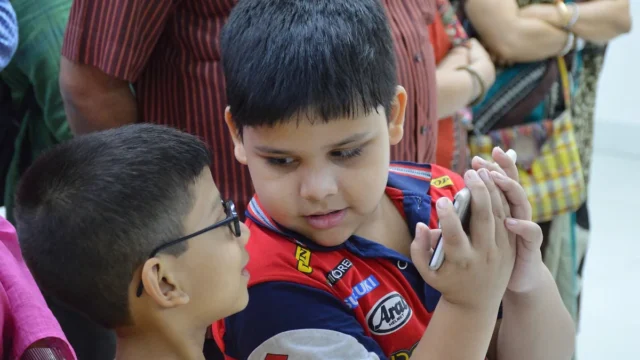
Supreme Court: children have a right to the internet, and platforms must block child abuse material
In a judgment of 15 October 2026, the Supreme Court said that the right to access and use the internet is a fundamental right of every person, children included, under Article 21 read with Article 19(1)(a). So the answer to online danger is not to lock children out but to go after the abusive content and the platforms that fail to remove it. The Court ordered a National Hash and URL List Database, two-hour reporting of unknown abuse material, and loss of revenue for platforms that profit from it through paywalls.
UPSC angle: Prelims: Arts. 21 and 19(1)(a); POCSO s.15; IT Act ss.67B and 79; CSEAM. · Mains GS-II: rights of children, regulation of platforms.
18 Oct 2026
₹1,423 crore over three years for implementing PCR and SC/ST Atrocities Acts; 217 exclusive special courts
The Centre released ₹1,423.30 crore to States and UTs over 2022-23 to 2024-25 to implement the Protection of Civil Rights Act, 1955 and the SC/ST (Prevention of Atrocities) Act, 1989. States report 217 Exclusive Special Courts in 15 States and UTs. Yet 65,646 cases were registered in 2024 and 3,92,006 were pending trial at year end.
UPSC angle: Prelims: PCR Act year; Art. 17. · Mains: Why do atrocity cases see low conviction?
1 Oct 2026
‘She-Mart’ cooperative outlets launched in Keralam to link women SHGs to markets
On 26 September 2026 the Union Minister of Cooperation launched She-Mart at Kollam, Keralam. Announced in the Budget, She-Mart links women Self-Help Groups and rural women entrepreneurs directly to buyers. More than 300 She-Mart stores are planned across Kerala, Tamil Nadu and Karnataka, selling local and Bharat Brand products.
UPSC angle: Mains: Can cooperatives solve the market-access problem of women SHGs?
26 Sep 2026
100-day Bal Vivah Mukt Bharat campaign
Laws alone have not ended the practice. Campaigns that bring in priests, caterers and community leaders aim at the point where marriages are actually arranged.
UPSC angle: Prelims: PCMA 2006. · Mains: social issues, women and children.
3 Dec 2025Learn the concept
Question text as printed in the official UPSC question paper: https://www.upsc.gov.in/sites/default/files/QP-CSM-23-GENERAL-STUDIES-PAPER-II-180923.pdf The model answer is original Battle IAS work; use it to learn structure, not to memorise.