
UPSC Mains 2024 GS3 Q1: model answer
Examine the pattern and trend of public expenditure on social services in the post-reforms period in India. To what extent this has been in consonance with achieving the objective of inclusive growth?
What the question wants
Trend of social sector spending since 1991 and how far it has served inclusive growth.
How to structure it
Intro: what social services spending covers. Body: (1) trend as share of GDP; (2) changing pattern within it (health, education, welfare); (3) where it helped inclusion; (4) where it fell short. Conclusion: raise and target spending.
- 1(1) trend as share of GDP
- 2(2) changing pattern within it (health, education, welfare)
- 3(3) where it helped inclusion
- 4(4) where it fell short
Model answer
Social services spending (education, health, housing, welfare) by the Centre and States is the main public tool for inclusive growth.
Trend and pattern
- Combined spending rose from about 6% of GDP in the 1990s to roughly 8% by 2023-24 (Economic Survey).
- States bear most of it; centrally sponsored schemes shape priorities.
- Education stays near 3–4% of GDP, short of the NEP goal of 6%.
- Public health spending is about 1.9% of GDP against the National Health Policy 2017 target of 2.5%.
- A shift to rights and transfers: MGNREGA, NFSA, PM-KISAN, DBT.
Consonance with inclusive growth
- Multidimensional poverty fell sharply (NITI Aayog estimates about 24.8 crore people exited it in 2013-14 to 2022-23).
- Near-universal enrolment, toilets, electricity and housing.
- But learning outcomes are weak, out-of-pocket health costs remain high and regional gaps persist.
Spending has widened access; inclusive growth now needs higher outlays on health and education quality.
Keywords, cases and data to drop in
social sector 8% GDP NEP 6% NHP 2.5% MPI decline DBT
Where most answers lose marks
- Listing schemes without the spending trend.
Fresh examples from current affairs
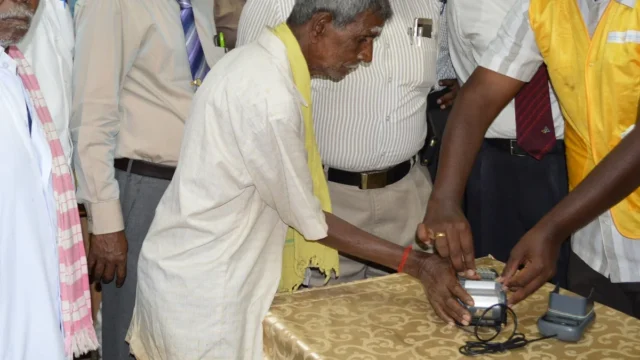
Financial inclusion saturation campaign in 2.70 lakh panchayats and ULBs from 21 October
The Department of Financial Services will run a nationwide campaign from 21 October to 31 December 2026 to saturate financial inclusion schemes in 2.70 lakh gram panchayats and urban local bodies. Bank camps will enrol people in PMJJBY, PMSBY and APY, open Jan Dhan accounts, finish re-KYC and nominations, and spread awareness on digital frauds and unclaimed deposits.
UPSC angle: Prelims: scheme parameters of PMJJBY, PMSBY, APY, PMJDY. · Mains GS-III: inclusive growth and financial inclusion.
20 Oct 2026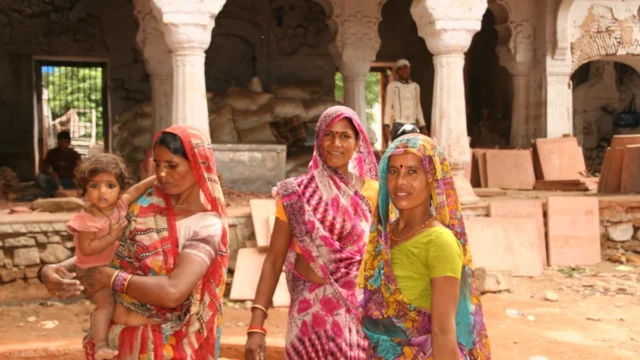
PLFS September 2026: unemployment steady at 5%; urban women’s participation highest since October 2025
The Periodic Labour Force Survey (PLFS) Monthly Bulletin for September 2026, released by MoSPI on 15 October 2026, put the unemployment rate (UR) for people aged 15 and above at 5.0%, the same as in August and 0.2 points lower than a year earlier. The labour force participation rate (LFPR) was 55.5%. Urban female LFPR rose to 25.9%, its highest since October 2025, while rural female UR fell to 3.9%, the lowest of 2026.
UPSC angle: Prelims: LFPR, WPR, UR, CWS vs UPS. · Mains GS-III: jobs, inclusive growth and women’s work.
15 Oct 2026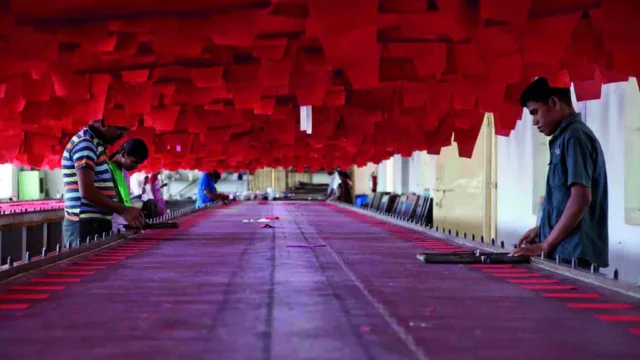
EPFO Amnesty Scheme 2026: deadline 28 December for PF Trust regularisation
EPFO is reminding establishments that the Amnesty Scheme, 2026 for retrospective regularisation of Provident Fund Trust exemption status closes on 28 December 2026. It covers trusts recognised under the Income Tax Act but without a formal exemption order under the EPF Act or the Code on Social Security.
UPSC angle: Prelims: Amnesty dates and legal sections. · Mains GS-III: social security and labour compliance.
13 Oct 2026
VB–G RAM G: 375 permissible rural works notified, 41% more than the previous scheme
The Rural Development Ministry has notified 375 permissible works under the VB-G RAM G Act, 2025, the law that replaced MGNREGA. That is 41% more than the 266 works earlier. Works fall under four pillars: water security (128), core rural infrastructure (111), livelihood infrastructure (98) and disaster preparedness (38), all planned through Gram Sabha-approved village plans.
UPSC angle: Prelims: Act name, 125 days, works count. · Mains GS-II: welfare schemes; GS-III: rural employment.
6 Oct 2026Learn the concept
Question text as printed in the official UPSC question paper: https://www.upsc.gov.in/sites/default/files/QP_CSM_2024_GenStud_III_03102024.pdf The model answer is original Battle IAS work; use it to learn structure, not to memorise.