
UPSC Mains 2025 GS1 Q18: model answer
How do you account for the growing fast food industries given that there are increased health concerns in modern society? Illustrate your answer with the Indian experience.
What the question wants
Explain the paradox: why fast food grows despite health worries, using Indian evidence; then the response.
How to structure it
Intro: market size and the paradox. Body: drivers (economic, social, technological, marketing, adaptation); health costs; policy response. Conclusion.
- 1Drivers (economic, social, technological, marketing, adaptation)
- 2Health costs
- 3Policy response
Model answer
India's quick-service restaurant market is among the fastest growing in the world, even as obesity, diabetes and heart disease rise. Both trends come from the same changes in how we live.
Why fast food grows
- Urbanisation and time poverty: long commutes and dual-income households leave little time to cook.
- Young population and rising incomes: eating out is social and aspirational.
- Delivery apps: Swiggy and Zomato bring food to the door in minutes, even in tier-2 towns.
- Glocalisation: McAloo Tikki, paneer pizzas and vegetarian menus fit Indian tastes.
- Price and marketing: value meals, aggressive advertising, celebrity endorsements.
- Nudge, not knowledge: people know the risks, but convenience and taste win day to day.
Health cost: NFHS-5 shows about 24% of women and 23% of men are overweight or obese; ICMR-INDIAB estimates over 10 crore people with diabetes. High salt, sugar and trans fat are major drivers.
Response
- FSSAI: trans fat limit of 2% in oils and fats; Eat Right India; restrictions on junk food near schools.
- Front-of-pack labelling (under consideration) and calorie display in chains.
- Industry shift to healthier options: millet menus, baked items.
- Fit India Movement and awareness.
The answer is not to ban fast food, but to make the healthy choice the easy one.
Keywords, cases and data to drop in
urbanisation and time poverty delivery apps glocalisation NFHS-5 obesity ICMR-INDIAB FSSAI trans fat 2% Eat Right India
Where most answers lose marks
- Only listing health effects.
- No Indian data or examples.
- Moralising instead of explaining the paradox.
Fresh examples from current affairs
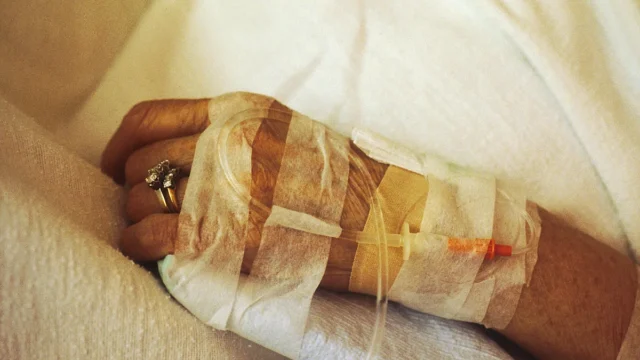
NPPA caps trade margins on 137 anti-cancer drugs: prices to fall up to 70% from 9 November
On 17 October 2026 the National Pharmaceutical Pricing Authority (NPPA) capped trade margins on 137 non-scheduled anti-cancer drugs at 30%, using its special public-interest power under Paragraph 19 of the Drugs (Prices Control) Order, 2013. The Government expects the retail price of these medicines to fall by up to 70%, and the new prices apply from 9 November 2026. The list includes costly immunotherapy drugs such as pembrolizumab and durvalumab.
UPSC angle: Prelims: NPPA, DPCO 2013 Para 19, trade margin, scheduled vs non-scheduled drugs. · Mains GS-II: affordable medicines and health equity.
18 Oct 2026
Draft rule to stop drug retailers and wholesalers from advertising prescription-only medicines
The Health Ministry has proposed amending the Drugs Rules, 1945 so that drug retailers, wholesalers and distributors also need prior Central Government sanction to advertise Schedule H, H1 and X medicines. Manufacturers already face this rule. The draft, G.S.R. 861(E) of 28 September 2026, follows DTAB advice and is open for comments for 30 days.
UPSC angle: Prelims: Drug schedules, DTAB. · Mains GS-II: health regulation; GS-III: AMR.
9 Oct 2026
Trade-margin cap of 30% extended to non-scheduled cancer medicines
The government has approved a cap on trade margins for non-scheduled anti-cancer medicines at 30% of MRP. It expects prices to fall by up to 70% and patients to save about ₹2,500 crore a year. NPPA found average mark-ups of about 170% on such drugs. A 2019 cap on 42 cancer drugs saved ₹984 crore a year.
UPSC angle: Prelims: NPPA, DPCO. · Mains GS-II: health; GS-III: pharma regulation.
8 Oct 2026
NCAHP notifies autonomous boards and digital registration for allied and healthcare professionals
The National Commission for Allied and Healthcare Professions has notified regulations for Autonomous Boards and a Central Assessment Committee, and for registering allied and healthcare professionals with unique IDs in State and Central Registers. It also notified a two-year competency-based Diploma in Medical Radiology and Imaging Technology with a six-month internship.
UPSC angle: Prelims: NCAHP Act year, D.MRIT. · Mains GS-II: health human resources.
7 Oct 2026Learn the concept
Question text as printed in the official UPSC question paper: https://www.upsc.gov.in/sites/default/files/GENERAL-STUDIES-PAPER%20I-QP-CSM-25-010925.pdf The model answer is original Battle IAS work; use it to learn structure, not to memorise.