
Chapter 11 · Topic 11.2 · Prelims + Mains2 of 3
Fairs: Hornbill and other fairs
Key points
- Hornbill Festival.
- Fairs of the east and north.
Prelims box: facts and traps
| Feature | Detail |
|---|---|
| Where | Naga Heritage Village, Kisama, near Kohima, Nagaland |
| When | 1–10 December; 1 December is Nagaland's statehood day (1963) |
| Started | 2000, by the state government |
| Why the name | The hornbill is revered in Naga folklore and appears on headgear |
| What | All Naga tribes: dances, crafts, food, morungs (dormitories). |
- Kambala is held from about November to March in the paddy fields of Tulu Nadu, the coastal districts of Dakshina Kannada and Udupi in Karnataka.
- Attukal Pongala at the Attukal Bhagavathy temple in Thiruvananthapuram, Kerala, in the month of Kumbham (February–March), is a women-only offering at which lakhs of women cook pongala in earthen pots along the city's streets.
Hornbill Festival
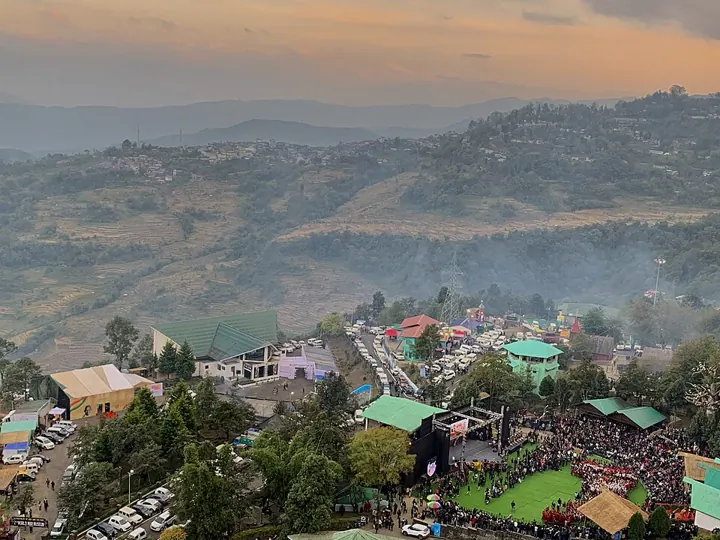
| Feature | Detail |
|---|---|
| Where | Naga Heritage Village, Kisama, near Kohima, Nagaland |
| When | 1–10 December; 1 December is Nagaland’s statehood day (1963) |
| Started | 2000, by the state government |
| Why the name | The hornbill is revered in Naga folklore and appears on headgear |
| What | All Naga tribes: dances, crafts, food, morungs (dormitories) |
Other fairs: east and north
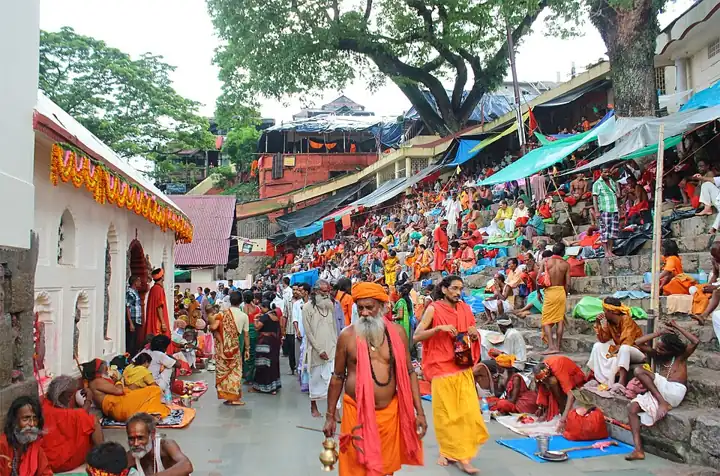
| Fair | State and feature |
|---|---|
| Gangasagar Mela | West Bengal; Sagar Island where the Ganga meets the sea; Makar Sankranti |
| Ambubachi Mela | Assam; Kamakhya Temple, Guwahati; June (monsoon) |
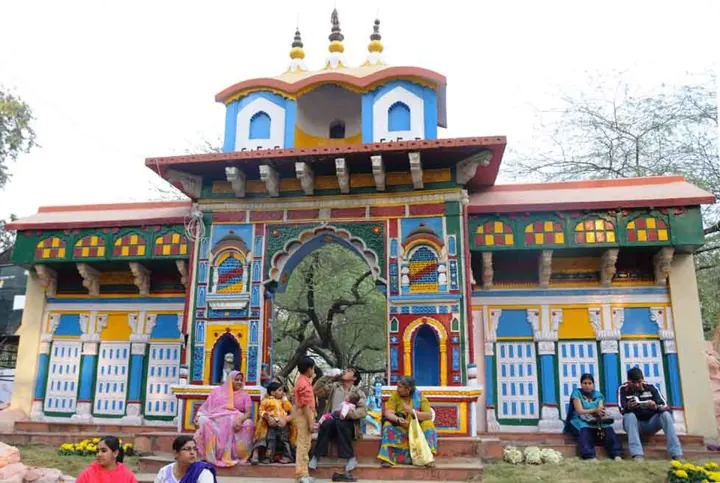
| Kullu Dussehra | Himachal Pradesh; begins on Vijayadashami and lasts a week |
| Surajkund Crafts Mela | Haryana (Faridabad); February; crafts from every state and abroad |
| Hemis festival | Ladakh; mask dances at Hemis monastery |
Mains box: analysis and answer points
| Feature | Detail |
|---|---|
| Where | Naga Heritage Village, Kisama, near Kohima, Nagaland |
| When | 1–10 December; 1 December is Nagaland's statehood day (1963) |
| Started | 2000, by the state government |
| Why the name | The hornbill is revered in Naga folklore and appears on headgear |
| What | All Naga tribes: dances, crafts, food, morungs (dormitories). |
- Likely next angle: Naga tribes
Practice
Practice MCQs (8)
Kambala, a traditional race in which pairs of buffaloes are driven by a farmer through a slushy paddy-field track, is a rural festival of:
Answer (d) & explanation
Kambala is held from about November to March in the paddy fields of Tulu Nadu, the coastal districts of Dakshina Kannada and Udupi in Karnataka. Pairs of buffaloes, tied to a plough or plank, race down two parallel water-logged tracks while a jockey runs behind; it began as a thanksgiving to local deities for protecting the crop. After a court challenge on animal welfare, Karnataka amended the Prevention of Cruelty to Animals Act in 2017 to allow the sport, as Tamil Nadu did for Jallikattu.
Consider the following statements about Gangaur of Rajasthan:
1. It is celebrated mainly by women in honour of Gauri (Parvati) and Shiva (Isar), for marital happiness and a good husband.
2. It begins on the day after Holi and ends in the bright half of Chaitra with processions of the images of Gauri.
Which of the statements given above is/are correct?
Answer (c) & explanation
Gangaur (Gan = Shiva, Gaur = Gauri) is the main women's festival of Rajasthan, also kept in parts of Madhya Pradesh and Gujarat. Married women pray for their husbands' well-being and unmarried girls for a good husband, worshipping clay images of Isar and Gauri. It starts on the day after Holi (Chaitra Krishna Pratipada) and runs for about eighteen days to Chaitra Shukla Tritiya, when decorated images of Gauri are taken out in processions, famously at Jaipur and Udaipur. Both statements are correct.
The Sammakka–Saralamma Jatara at Medaram, held once in two years in the month of Magha and described as one of Asia's largest tribal festivals, is associated with which community and State?
Answer (c) & explanation
The Medaram Jatara is held every two years at Medaram in Tadvai mandal of Mulugu district, Telangana, around the Magha full moon (January–February). It honours Sammakka and her daughter Saralamma, Koya heroines who, in tradition, fought the Kakatiya rulers. The goddesses are brought from the forest by Koya priests in the form of vermilion caskets and bamboo, and devotees offer 'bangaram' (jaggery, called gold) often equal to their body weight. The four-day festival draws crores of pilgrims; PIB has called it Asia's largest tribal festival.
Which one of the following festivals is NOT celebrated mainly in Telangana?
Answer (c) & explanation
Bonalu is the Ashadha festival of Hyderabad–Secunderabad in which women carry decorated pots of cooked rice (bonam) to the goddess Mahakali. Bathukamma is the floral festival of Telangana's women during the nine days before Dussehra, with tiered flower stacks floated in water; both are State festivals of Telangana. The Sammakka–Saralamma Jatara is held at Medaram in Mulugu district. Hareli, the first farm festival of the year on Shravana Amavasya, belongs to Chhattisgarh.
Consider the following pairs: Festival — State
1. Attukal Pongala — Kerala
2. Karthigai Deepam at Tiruvannamalai — Tamil Nadu
3. Kharchi Puja — Assam
Which of the pairs given above are correctly matched?
Answer (a) & explanation
Attukal Pongala at the Attukal Bhagavathy temple in Thiruvananthapuram, Kerala, in the month of Kumbham (February–March), is a women-only offering at which lakhs of women cook pongala in earthen pots along the city's streets. Karthigai Deepam in the Tamil month of Karthigai is marked at Tiruvannamalai by lighting a huge beacon (Maha Deepam) on top of the Arunachala hill. Kharchi Puja, the July worship of the fourteen deities (Chaturdasha Devata) at Old Agartala, belongs to Tripura, not Assam.
The Hemis Tsechu in Ladakh, held at Hemis monastery on the tenth day of the fifth Tibetan month with masked cham dances by the monks, commemorates the birth anniversary of:
Answer (b) & explanation
The Hemis festival (Tsechu) at Hemis, the largest monastery of Ladakh, belongs to the Drukpa lineage. It is held on the tenth day (tse-chu) of the fifth Tibetan month, usually in June–July, the day sacred to Guru Padmasambhava (Guru Rinpoche), who is credited with taking Tantric Buddhism to Tibet in the 8th century. Monks perform the masked cham dances in the courtyard to the sound of long horns and cymbals, and a giant thangka of the Guru is unrolled once every twelve years, in the Monkey year.
Consider the following statements about Thrissur Pooram:
1. It was begun in the late 18th century by Sakthan Thampuran, the ruler of Cochin.
2. It is held in the Malayalam month of Medam on the Thekkinkadu ground around the Vadakkunnathan temple.
3. Its highlight, the 'kudamattam', is a race of snake boats on the temple tank.
Which of the statements given above are correct?
Answer (a) & explanation
Thrissur Pooram was started in 1796 by Sakthan Thampuran (Raja Rama Varma) of Cochin, who brought together the temples around Thrissur after they were kept out of the older Arattupuzha Pooram. It is held on the Pooram star in Medam (April–May) at the Thekkinkadu Maidan around the Vadakkunnathan (Shiva) temple, with the Paramekkavu and Thiruvambadi groups as the two sides. The kudamattam is the rapid exchange of colourful parasols held up on caparisoned elephants facing each other, followed by fireworks; it has nothing to do with boats, so statement 3 is wrong.
Consider the following statements about the Bastar Dussehra of Chhattisgarh:
1. It lasts about 75 days, beginning with the Pat Jatra ritual on Hareli Amavasya.
2. It is centred on the worship of the goddess Danteshwari rather than on Rama's victory over Ravana.
3. It includes the Muria Darbar, an assembly at which tribal representatives raise community issues.
Which of the statements given above are correct?
Answer (d) & explanation
The Bastar Dussehra of Jagdalpur is often called the longest Dussehra in the world, running for about 75 days from the Pat Jatra (worship of the timber for the chariot) on Hareli Amavasya in Shravana. It honours Danteshwari, the presiding goddess of Bastar, and no effigy of Ravana is burnt. Tribal communities build and pull the huge wooden chariot, and rituals such as Kachhan Gadi (seeking the goddess's permission) and Jogi Bithai lead to the Muria Darbar, where tribal headmen meet the administration. All three statements are correct.
0 / 0 correct
Write an answer
In 150 words, explain the significance of Fairs with one recent example.
Flashcards (7)
Hornbill Festival venue?
Kisama, near Kohima.
Hornbill Festival dates?
1–10 December.
Nagaland became a state in?
1963 (1 December).
Gangasagar Mela is on?
Sagar Island, West Bengal.
Ambubachi Mela is at?
Kamakhya Temple, Guwahati.
Surajkund Mela is in?
Faridabad, Haryana.
Kullu Dussehra starts when?
On Vijayadashami.
In the news
- 20 Oct 2026Sirpur in Chhattisgarh enters UNESCO’s Tentative List of World Heritage sites
- 15 Oct 2026PM inaugurates five Ladakh projects: Nimmu–Padum–Darcha road, Leh terminal, Hanu hydro
- 14 Oct 2026HAL, NCF and ASI sign MoA for Hampi, Taj Mahal and Bekal Fort
- 3 Oct 2026Centres of Excellence approved for five newer classical languages
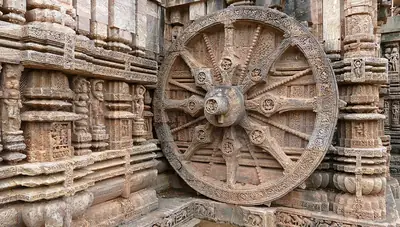 Next topic · 11.3 →Fairs: Tribal and western fairs
Syllabus: GS-I · Indian culture will cover the salient aspects of Art Forms, literature and Archi…