
Chapter 10 · Topic 10.1 · Prelims + Mains1 of 3
Sufi Movement: Basics and the Chishtis
Key points
- Sufism: Islamic mysticism; a direct, loving experience of God through a pir's guidance.
- Al-Hujwiri (Lahore, 11th century) wrote the Kashf-ul-Mahjub, the oldest Persian Sufi work.
- Key terms: silsila, pir, murid, khanqah, dargah, urs; ba-shara vs be-shara.
- Ideas: wahdat-ul-wujud (Ibn Arabi) vs wahdat-ul-shuhud (Sirhindi); practices zikr, sama, chilla.
- Chishtis: Moinuddin (Ajmer, died 1236), Bakhtiyar Kaki, Baba Farid, Nizamuddin, Chiragh-i-Delhi, Gesu Daraz, Salim Chishti.
Prelims box: facts and traps
- Prelims 2012: meditation and breath control, ascetic exercises in solitude, and holy songs for ecstasy were all Sufi practices.
- Baba Farid: his verses are in the Guru Granth Sahib.
- Gesu Daraz: took the Chishti order to Gulbarga.
On this page (3 sections)
Who were the Sufis?
Sufism is the mystic side of Islam. A mystic is someone who wants to feel God directly, not just follow rules about God. Sufis looked for this loving experience through devotion, self-discipline and a teacher’s guidance. The name probably comes from suf, the coarse wool the early mystics wore.
Sufis reached India with the Ghaznavids. Al-Hujwiri (Data Ganj Bakhsh) settled at Lahore in the 11th century. He wrote the Kashf-ul-Mahjub, the oldest Persian work on Sufism. The great orders came in the 12th and 13th centuries.
| Term | Meaning |
|---|---|
| Silsila | A chain or order of masters and disciples |
| Pir / Shaikh / Murshid | Spiritual master |
| Murid | Disciple |
| Khanqah | Hospice where the master lived and taught |
| Wali | Friend of God, a saint |
| Dargah | Shrine at a saint’s grave |
| Urs | ‘Wedding’: the death anniversary, when the soul meets God |
| Ba-shara / Be-shara | Orders that follow Islamic law / those that do not |
What UPSC asks
Prelims: silsila, khanqah, urs. Mains: what Sufism was. Next likely: dargah culture.
Sufi philosophy and practices
| Idea | Meaning |
|---|---|
| Tauhid | Oneness of God |
| Wahdat-ul-wujud | ‘Unity of being’ (Ibn Arabi): all existence is one with God |
| Wahdat-ul-shuhud | ‘Unity of witness’ (Shaikh Ahmad Sirhindi): the oneness is only in the seeker’s experience; God stays separate |
| Fana | Passing away of the self in God |
| Maqamat | Stages on the spiritual path |
| Practice | Meaning |
|---|---|
| Zikr | Repeating God’s names, often with breath control |
| Sama | Listening to music and poetry to reach ecstasy; the root of qawwali |
| Chilla | Forty days of solitary retreat and fasting |
| Langar / futuh | Open kitchen; living on unasked gifts |
Prelims 2012 asked which practices the Sufi mystics followed: meditation and control of breath; severe ascetic exercises (hard self-denial) in a lonely place; and ‘Recitation of holy songs to arouse a state of ecstasy in their audience ‘. All three were correct.
With reference to the religious history of medieval India, the Sufi mystics were known to pursue which of the following practices? 1. Meditation and control of breath 2. Severe ascetic exercises in a lonely place 3. Recitation of holy songs to arouse a state of ecstasy in their audience Select the correct answer using the codes given below :
- 1 and 2 only
- 2 and 3 only
- 3 only
- 1, 2 and 3
Show answer
Answer: (d) · UPSC official key
What UPSC asks
Prelims: sama, zikr (2012). Mains: wahdat-ul-wujud vs wahdat-ul-shuhud. Next likely: qawwali traditions.
The Chishti order and Moinuddin Chishti
The Chishti order became the most popular in India. Chishtis kept away from kings and state jobs. They lived simply, spoke the local languages and loved sama.
| Saint | Key facts |
|---|---|
| Khwaja Moinuddin Chishti (died 1236) | Came in the 1190s and settled at Ajmer; his dargah is visited by people of all faiths; Akbar walked there on pilgrimage |
| Qutbuddin Bakhtiyar Kaki (Delhi) | Disciple of Moinuddin; respected by Iltutmish |
| Baba Farid (Fariduddin Ganj-i-Shakar) | Pakpattan, Punjab; his Punjabi verses are in the Guru Granth Sahib |
| Nizamuddin Auliya (Delhi) | The most famous Chishti (next page) |
| Nasiruddin Chiragh-i-Delhi | ‘Lamp of Delhi’; Nizamuddin’s successor |
| Gesu Daraz (Bande Nawaz) | Took the order to Gulbarga in the Bahmani kingdom |
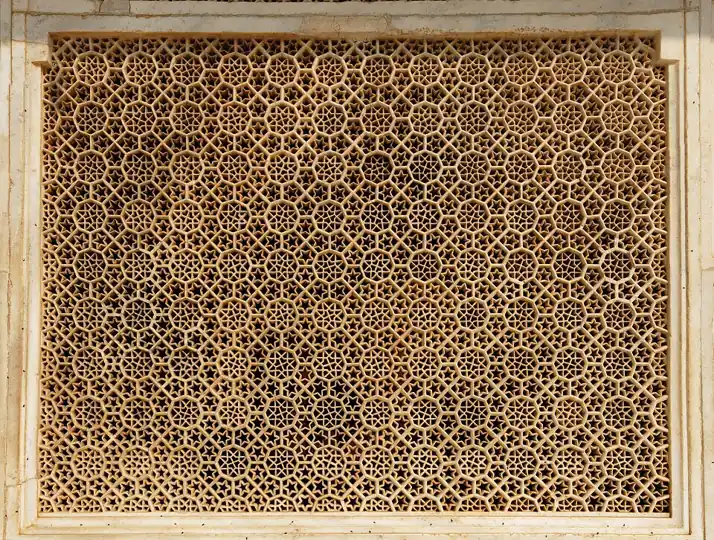
| Shaikh Salim Chishti | Fatehpur Sikri; blessed Akbar with a son |
What UPSC asks
Prelims: Moinuddin, Baba Farid, Gesu Daraz. Mains: why the Chishtis kept away from the state. Next likely: the Ajmer urs.
Mains box: analysis and answer points
- What Sufism was: love, a teacher, music, and keeping away from the state.
- Unity of being vs unity of witness.
Practice
Practice MCQs (8)
Which Sufi, revered as 'Gharib Nawaz' (comforter of the poor), first meditated at the tomb of Ali Hujwiri in Lahore and then settled at Ajmer, from where he established the Chishti order in India?
Answer (d) & explanation
Khwaja Muinuddin Sijzi (Chishti), born in Sistan in 1143, reached the subcontinent in the early thirteenth century. He first went to Lahore to meditate at the tomb-shrine of the mystic Ali Hujwiri (Data Ganj Bakhsh), then travelled on to Ajmer, where he settled, married and worked to establish the Chishti order in India. NCERT lists him first in its chart of the major Chishti teachers, with his dargah at Ajmer, and calls his shrine the most revered of all, popularly known by his title Gharib Nawaz, 'comforter of the poor'. His disciples spread the order further: Qutbuddin Bakhtiyar Kaki in Delhi and Hamiduddin Nagauri at Nagaur in Rajasthan. Baba Farid belongs to the next generation, as the disciple of Bakhtiyar Kaki.
The Sufi term silsila, used for orders such as the Chishti and the Suhrawardi, literally means
Answer (d) & explanation
NCERT explains that Sufi silsilas began to crystallise in different parts of the Islamic world around the twelfth century. The word silsila literally means a chain, signifying a continuous link between master and disciple that stretches as an unbroken spiritual genealogy back to the Prophet Muhammad. It was through this channel that spiritual power and blessings were believed to pass to devotees. Special rituals of initiation developed, in which initiates took an oath of allegiance, wore a patched garment and shaved their hair. The idea of a chain is why every order kept careful lists of its masters and why the appointment of a khalifa mattered so much: it added one more link. The general Islamic word for a Sufi way or method is tariqa ('path'), while the lodge itself is the khanqah, so neither of those is the literal meaning of silsila.
Consider the following pairs: Sufi : Order
1. Shaikh Bahauddin Zakariya : Suhrawardi
2. Shaikh Jalaluddin Tabrizi : Suhrawardi
3. Khwaja Baqi Billah : Chishti
4. Shah Badiuddin Madar : Madari
How many of the pairs given above are correctly matched?
Answer (c) & explanation
Three of the four pairs are correct. Bahauddin Zakariya of Multan was the great Suhrawardi master of the Sultanate, a disciple of Shihabuddin Umar Suhrawardi of Baghdad. Jalaluddin Tabrizi, born at Tabriz in north-western Iran, also became a disciple of Shihabuddin Suhrawardi and later settled in Bengal soon after the start of Muslim rule there; a small order, the Jaliliyya, is named after him. Shah Badiuddin Madar (d. 1434), called Qutb-ul-Madar, initiated the Madari order, which is centred on his dargah at Makanpur in Kanpur district and is known for its syncretic features. Pair 3 is wrong: Khwaja Baqi Billah of Kabul, who died at Delhi in 1603, was the pioneer of the Naqshbandi order in the subcontinent and the master of Shaikh Ahmad Sirhindi.
Consider the following Chishti saints:
1. Shaikh Fariduddin Ganj-i-Shakar
2. Shaikh Nasiruddin Chiragh-i-Dehli
3. Khwaja Qutbuddin Bakhtiyar Kaki
4. Shaikh Nizamuddin Auliya
Which one of the following gives the correct order in which each became the spiritual successor of the one before, starting from the earliest?
Answer (a) & explanation
The great Chishti chain in India runs as an unbroken line of master and successor. Khwaja Muinuddin Sijzi of Ajmer made Qutbuddin Bakhtiyar Kaki his successor, and Bakhtiyar Kaki spread the order in Delhi in the time of Iltutmish. His disciple Fariduddin Ganj-i-Shakar (Baba Farid) succeeded him and settled at Ajodhan (Pakpattan) in Punjab. Baba Farid in turn made Nizamuddin Auliya his successor, on Nizamuddin's third visit to Ajodhan. Nasiruddin Chiragh-i-Dehli was Nizamuddin's disciple and successor, and is counted as the last of the great Chishti saints of Delhi. NCERT's chart of the major Chishti teachers lists exactly this sequence: Muinuddin, Bakhtiyar Kaki, Farid, Nizamuddin and Nasiruddin. The order is therefore 3-1-4-2.
With reference to the Naqshbandi order, consider the following statements:
1. It is named after its fourteenth-century founder, Bahauddin Naqshband, who was born near Bukhara.
2. Khwaja Baqi Billah, who came from Kabul, is credited with bringing the order to India towards the end of the sixteenth century.
3. It is distinguished from other orders by its preference for loud, vocal zikr and musical assemblies (sama).
Which of the statements given above is/are correct?
Answer (d) & explanation
The Naqshbandi order is named after Bahauddin Naqshband (1318–1389), born in a village near Bukhara in present-day Uzbekistan, although its practices go back to the twelfth- century masters Yusuf Hamadani and Abdul Khaliq Ghijduwani. It reached India late: Khwaja Baqi Billah, born and educated in Kabul and Samarkand, is credited with bringing it to the subcontinent at the end of the sixteenth century; he died in Delhi in 1603. His disciple Shaikh Ahmad Sirhindi then made it popular within a short time. The order is known for strict adherence to the sharia and for silent zikr (inward remembrance of God), which distinguishes it from the vocal chanting of other tariqas; Bahauddin Naqshband was among the biggest advocates of silent zikr. It is the Chishtis, not the Naqshbandis, for whom sama was integral. Statement 3 is therefore wrong.
With reference to Sufi devotional practices, consider the following statements:
1. Zikr is the remembrance of God through the recitation of the Divine Names.
2. Sama, literally 'remembrance', is the silent repetition of God's names in the heart.
3. Sama was integral to the Chishtis and exemplified their interaction with indigenous devotional traditions.
Which of the statements given above are correct?
Answer (c) & explanation
NCERT explains that the sufis remembered God in two ways: by reciting the zikr (the Divine Names), or by evoking His presence through sama', which literally means 'audition' or listening, that is, the performance of mystical music. It adds that sama' was integral to the Chishtis and exemplified their interaction with indigenous devotional traditions; at shrines, specially trained musicians called qawwals perform mystical chants to evoke divine ecstasy. Statement 2 is wrong on two counts. Sama' means listening, not remembrance (remembrance is the meaning of zikr), and it is a musical assembly, not a silent practice. Silent, inward zikr is the hallmark of a different tradition, the sharia-minded Naqshbandis, while many other orders practised vocal zikr. Statements 1 and 3 are therefore correct.
With reference to the branches of the Chishti order, consider the following statements:
1. The Sabiri branch traces itself to Alauddin Ali Ahmad Sabir, a nephew and disciple of Baba Farid.
2. The Nizami branch traces itself to Shaikh Nizamuddin Auliya, another disciple of Baba Farid.
3. The dargah of Sabir, the founder of the Sabiri branch, stands beside that of Baba Farid at Pakpattan.
Which of the statements given above is/are correct?
Answer (b) & explanation
After Baba Farid of Ajodhan (Pakpattan) the Chishti order in India divided into two great lines. One, the Nizami branch, runs through Shaikh Nizamuddin Auliya of Delhi, whose hundreds of khalifas carried it to the Deccan, Bengal and beyond; Nasiruddin Chiragh-i-Dehli and Gesu Daraz belong to this line. The other, the Sabiri branch, began with Alauddin Ali Ahmad Sabir (1196–1291), the son of Baba Farid's elder sister Jamila; he was brought to Pakpattan as a child, was entrusted by Farid with the distribution of food in the langar, and became one of his successors. He is known as Sabir Kaliyari, 'Sabir of Kaliyar', because his dargah is at Kaliyar (Piran Kaliyar, near Roorkee in present Uttarakhand), not at Pakpattan, where Baba Farid's own shrine stands. Statement 3 is therefore wrong.
Shah Muhammad Ghaus of Gwalior (d. 1562), the author of the Jawahir-i-Khamsa ('The Five Jewels') and a teacher of the Mughal emperor Humayun, is chiefly associated with which Sufi order?
Answer (c) & explanation
The Shattari order was founded in the fifteenth century by Shaikh Abdullah Shattar, who carried its teachings from Persia (Khorasan) to India and made India his home; the honorific 'Shattar' is glossed as 'the swift one', pointing to a rapid path of spiritual practice. Its most distinguished master was Shah Muhammad Ghaus of Gwalior (1500–1562), who developed the Shattariyya into a distinctive order and spread its influence across South Asia. He wrote the Jawahir-i-Khamsa, a manual of mystical practices, taught the Mughal emperor Humayun, stayed for about ten years at Ahmedabad, and died at Gwalior, where his tomb complex also holds the grave of the musician Tansen. Sources describe him as a master of the 'Qadiri Shattari' lineage, but the order with which he is identified is the Shattari.
0 / 0 correct
Write an answer
In 150 words, explain the significance of Sufi Movement with one recent example.
Flashcards (12)
Oldest Persian book on Sufism?
Kashf-ul-Mahjub by Al-Hujwiri.
What is a khanqah?
A Sufi hospice.
What is urs?
Death anniversary of a saint.
Sufi practices in Prelims 2012?
Breath control, ascetic exercises, ecstatic songs: all three.
Who taught wahdat-ul-wujud?
Ibn Arabi.
Who taught wahdat-ul-shuhud?
Shaikh Ahmad Sirhindi.
What is sama?
Spiritual music and poetry.
Where is Moinuddin Chishti's dargah?
Ajmer.
Baba Farid's centre?
Pakpattan.
Who took the Chishtis to Gulbarga?
Gesu Daraz.
Saint at Fatehpur Sikri?
Shaikh Salim Chishti.
'Chiragh-i-Delhi'?
Nasiruddin.
Read more: related explainers
In the news
- 20 Oct 2026Sirpur in Chhattisgarh enters UNESCO’s Tentative List of World Heritage sites
- 15 Oct 2026PM inaugurates five Ladakh projects: Nimmu–Padum–Darcha road, Leh terminal, Hanu hydro
- 14 Oct 2026HAL, NCF and ASI sign MoA for Hampi, Taj Mahal and Bekal Fort
- 11 Oct 2026Birth anniversaries: Jayaprakash Narayan and Nanaji Deshmukh
 Next topic · 10.2 →Sufi Movement: Nizamuddin and the other orders
Syllabus: Prelims GS-I · History of India and Indian National Movement.