
UPSC Mains 2025 GS3 Q12: model answer
Discuss the rationale of the Production Linked Incentive (PLI) scheme. What are its achievements ? In what way can the functioning and outcomes of the scheme be improved ?
What the question wants
Why PLI was introduced, results so far, and improvements.
How to structure it
Intro: scheme basics. Body: (1) Rationale; (2) Achievements; (3) Problems; (4) Improvements. Conclusion: PLI has shown that targeted support can shift investment.
- 1(1) Rationale
- 2(2) Achievements
- 3(3) Problems
- 4(4) Improvements
Model answer
The PLI scheme gives firms cash incentives, usually 4–6% of incremental sales over a base year, for five years. Launched in 2020 for mobile phones, it now covers 14 sectors with an outlay of about ₹1.97 lakh crore.
Rationale
- Manufacturing stuck around 15–17% of GDP; need for jobs for a young workforce.
- Offset India's cost disadvantages: logistics, power, scale.
- Reduce import dependence on China in electronics, APIs, solar modules.
- Attract global firms seeking 'China plus one'.
- Pay only for output, unlike upfront subsidies.
Achievements
- Mobile phones: India is now the second largest maker; iPhone production and exports rose sharply; smartphones became a top export item.
- Pharma: domestic production of bulk drugs like penicillin-G restarted.
- Government data show investment of over ₹1.5 lakh crore and several lakh jobs generated.
- Food processing and white goods attracted new capacity.
Problems
- Uneven: textiles, specialty steel and some sectors lag; disbursement is a small share of outlay.
- Value addition in electronics still low; mostly assembly.
- Large firms benefit more than MSMEs.
- Delays in approvals and claims.
Improvements
- Link incentives to domestic value addition and component ecosystems (the 2025 electronics components scheme is a step).
- Faster, digital disbursal; mid-course review to drop failing sectors.
- Include MSME suppliers; fix input tariffs that hurt exporters.
- Pair with skilling, logistics and R&D.
PLI has shown that targeted support can shift investment. Its future success depends on moving from assembly to deep manufacturing.
Keywords, cases and data to drop in
PLI 14 sectors ₹1.97 lakh crore China plus one value addition component ecosystem
Where most answers lose marks
- Using inflated or unsourced figures.
- Ignoring weak sectors.
Fresh examples from current affairs
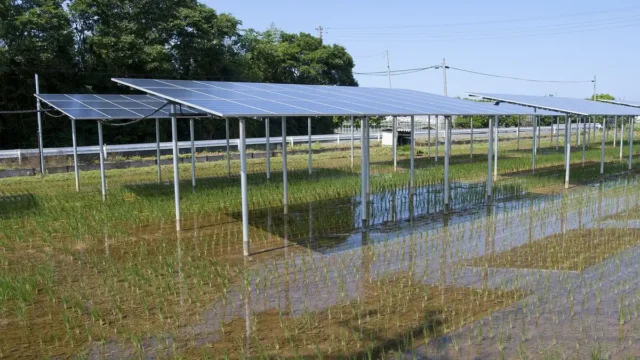
Agrivoltaics: Centre plans a scheme to push solar panels above farms; 5 GW seen in 3–4 years
MNRE Secretary Santosh Kumar Sarangi said on 19 October 2026 that the Centre is planning a central sector scheme to help States adopt agrivoltaics, either standalone or within PM-KUSUM 2.0. He expects capacity to cross 5 GW in three to four years if States notify feed-in tariffs. India hosts the 7th Agrivoltaics World Conference in New Delhi from 21 to 23 October.
UPSC angle: Prelims: agrivoltaics, PM-KUSUM components, feed-in tariffs. · Mains GS-III: energy transition and food security.
20 Oct 2026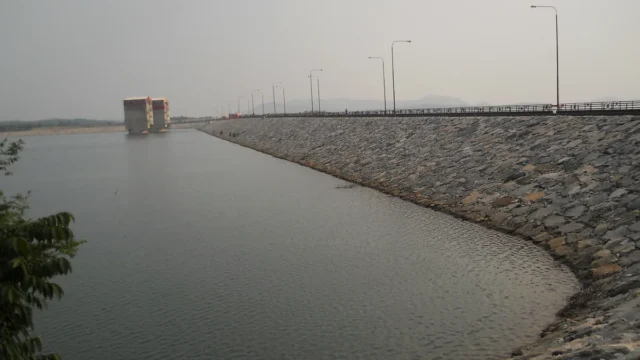
Pumped storage hydropower: India’s roadmap for 100 GW of ‘water batteries’ by 2035-36
A PIB backgrounder of 19 October 2026 explains how pumped storage projects (PSPs) will store solar and wind power for India’s grid. India runs 7.43 GW of pumped storage today, is building 15.87 GW more and has an assessed potential of 345.38 GW. A roadmap aims to add about 100 GW between 2025-26 and 2035-36.
UPSC angle: Prelims: PSP types, CEA, ISTS waiver, IRENA ranking. · Mains GS-III: storage and the clean energy transition.
19 Oct 2026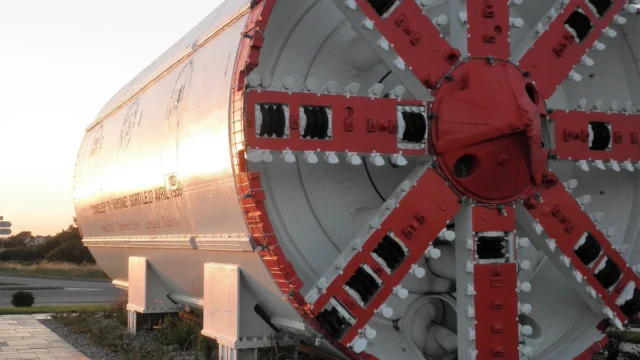
China to impose export controls on tunnel boring machines from 18 November: what it means for India
On 19 October 2026 China’s Commerce Ministry announced export controls on tunnel boring machines (TBMs) and related items from 18 November, calling them clearly dual-use. India imports TBMs for metro, rail and border tunnels and has faced customs delays on Chinese machines since 2024. China also announced controls on some drones.
UPSC angle: Prelims: export control regimes, SCOMET, Wassenaar, MTCR. · Mains GS-II/III: China dependence and supply-chain resilience.
19 Oct 2026
Oil companies bar sugar-based ethanol for 2026-27; maize incentive cut to ₹2.79 a litre
The oil marketing companies have kept sugar out of India’s ethanol programme for the coming year. The tender issued on 16 October 2026 seeks about 11 billion litres of ethanol for the 2026-27 supply year, but asks for none made from sugarcane juice, sugar syrup or B-heavy molasses, because the Government wants sugar diversion for ethanol cut to zero. Grain must now carry the load, and even the maize incentive has been cut. Read this as a live example of the food-versus-fuel trade-off.
UPSC angle: Prelims: E20, NPB 2018, molasses grades, feedstocks. · Mains GS-III: energy security vs food security; farm incomes.
18 Oct 2026Learn the concept
Question text as printed in the official UPSC question paper: https://www.upsc.gov.in/sites/default/files/GENERAL-STUDIES-PAPER-III-QP-CSM-25-010925.pdf The model answer is original Battle IAS work; use it to learn structure, not to memorise.