
UPSC Mains 2023 GS1 Q13: model answer
How did the colonial rule affect the tribals in India and what was the tribal response to the colonial oppression?
What the question wants
Impact of colonial policies on tribal life and the forms of tribal resistance.
How to structure it
Intro: tribal autonomy before colonial rule. Body: (1) Effects: forest laws (1865, 1878), ban on shifting cultivation, land revenue and zamindars, moneylenders (dikus), missionaries, forced labour, mining and plantations; (2) Responses: Pahariya, Kol (1831–32), Santhal Hul (1855–56), Munda Ulgulan (1899–1900), Rampa (1922–24), Bhil, Khond, Tana Bhagat, Jharkhand; joining Gandhian movement. Conclusion: legacy in Fifth Schedule, PESA, FRA.
- 1(1) Effects: forest laws (1865, 1878), ban on shifting cultivation, land revenue and zamindars, moneylenders (dikus), missionaries, forced labour, mining and plantations
- 2(2) Responses: Pahariya, Kol (1831–32), Santhal Hul (1855–56), Munda Ulgulan (1899–1900), Rampa (1922–24), Bhil, Khond, Tana Bhagat, Jharkhand
- 3Joining Gandhian movement
Model answer
Before British rule most tribes lived with considerable autonomy over forests and land. Colonial rule changed this sharply.
- 1831–32Kol uprising, Chotanagpur
- 1855–56Santhal Hul under Sidhu and Kanhu
- 1899–1900Munda Ulgulan under Birsa Munda
- 1908Chotanagpur Tenancy Act
- 1922–24Rampa rebellion under Alluri Sitarama Raju
How colonial rule affected tribals
- Forest laws: the Indian Forest Acts of 1865 and 1878 made forests State property and restricted grazing, collection and hunting.
- Ban on shifting cultivation (jhum, podu) as unscientific.
- Land revenue: the Permanent Settlement and cash taxes brought zamindars and moneylenders, the 'dikus', who seized land.
- Forced labour (begar) for roads and railways; recruitment for tea plantations in Assam.
- Missionaries and new courts disturbed customs and community authority.
- Mining and timber trade stripped resources.
Tribal responses
- Kol uprising (1831–32) in Chotanagpur against outsiders.
- Santhal Hul (1855–56) under Sidhu and Kanhu, leading to the Santhal Parganas district.
- Munda Ulgulan (1899–1900) led by Birsa Munda against dikus and for tribal raj; it produced the Chotanagpur Tenancy Act, 1908.
- Rampa rebellion (1922–24) under Alluri Sitarama Raju in the Godavari hills.
- Bhil, Khond and Naga resistance, including Rani Gaidinliu.
- Reform movements: Tana Bhagat and Devi movements drew on religion and later Gandhian ideas.
The revolts were suppressed but forced the British to create special tenancy laws and 'excluded areas'. Their legacy lives in the Fifth and Sixth Schedules, PESA (1996) and the Forest Rights Act (2006).
Keywords, cases and data to drop in
Indian Forest Act 1878 dikus Santhal Hul Birsa Munda Rampa Chotanagpur Tenancy Act
Where most answers lose marks
- Only listing revolts.
- No link to constitutional safeguards.
Fresh examples from current affairs
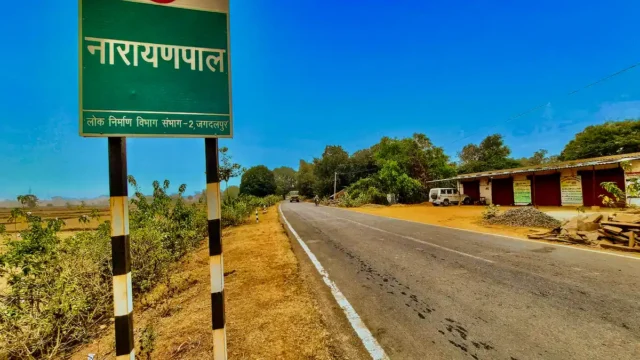
Forest Rights Act: second regional review conference for eight eastern and central States
On 9 October 2026 the Tribal Affairs Ministry held the second regional review of the Forest Rights Act, 2006 in Kolkata with eight States. Nationally, over 54 lakh claims have been filed, about 25 lakh titles given, about 11 lakh are pending and over 18 lakh rejected. The focus is quick disposal, record updating, CFR rights and PVTG habitat rights.
UPSC angle: Prelims: FRA provisions, PVTG habitat rights. · Mains GS-II: welfare of STs; GS-III: forest governance.
10 Oct 2026
FRA digital platform: all SIH finalists brought in
Most FRA disputes come from missing or poor records. Digitisation helps only if claimants can see and track their files.
UPSC angle: Prelims: FRA 2006.
6 Jan 2026
Constitution published in Santhali for the first time
Reading the Constitution in one's own language is part of legal literacy. Tribal languages have had little official material so far.
UPSC angle: Prelims: Eighth Schedule, Ol Chiki.
25 Dec 2025
PM-JANMAN: 25 roads for 30 PVTG habitations in Tripura
PVTG hamlets are small and scattered, which is why normal PMGSY population norms missed them.
UPSC angle: Prelims: PVTGs, PM-JANMAN.
9 Dec 2025Learn the concept
Question text as printed in the official UPSC question paper: https://www.upsc.gov.in/sites/default/files/QP-CSM-23-GENERAL-STUDIES-PAPER-I-180923.pdf The model answer is original Battle IAS work; use it to learn structure, not to memorise.