
Drain of Wealth Theory: Dadabhai Naoroji, Components of the Drain, Estimates and Impact on Indian Nationalism (UPSC Notes + PYQs)
UPSC has already asked about this. Read the story with these questions in mind.
Who said what
- Dadabhai Naoroji: “The Wants and Means of India” (1870) and later the book of 1901; estimated per capita income at ₹20 a year in 1867-68.
- R.C. Dutt: Economic History of India (1901-03), on land revenue and deindustrialisation.
- M.G. Ranade and G.V. Joshi: Indian political economy, protection for industry.
Components of the drain
- Home Charges: interest on public debt, India Office costs in London, pensions and furlough of British officers, army costs, stores bought in Britain.
- Remittances of salaries and savings by British officials.
- Profits and dividends of British investors in railways (guaranteed interest), plantations and banks.
- An “export surplus”: India exported more than it imported, and the surplus did not return as investment.
How big was it?
Estimates differ. Naoroji put the annual drain at around £12 million in the 1860s-70s; later nationalists gave higher numbers. Economist Utsa Patnaik’s 2018 estimate of colonial transfers, compounded to the present, ran into tens of trillions of dollars. The exact figure matters less than the mechanism: India’s taxes paid for British costs.
Why it mattered politically
The drain theory turned a moral grievance into an argument. It explained famines and poverty as results of policy, not fate, and became the base of the Swadeshi call to buy Indian and of the demand for Indianisation of services. The 1896 Congress session passed resolutions on the drain, and the Welby Commission (1895) heard Naoroji’s evidence.
Drain Of Wealth: UPSC angle
For UPSC CSE
Prelims: “Home Charges” components, books and authors. Mains GS-I: economic critique of colonialism, deindustrialisation, famines.
Drain Of Wealth UPSC PYQs (Prelims)
Questions UPSC has actually asked, from the official papers. Pick an option to check yourself.
With reference to the period of colonial rule in India, “Home Charges” formed an important part of drain of wealth from India. Which of the following funds constituted “Home Charges” ?
– 1. Funds used to support the India Office in London.
– 2. Funds used to pay salaries and pensions of British personnel engaged in India.
– 3. Funds used for waging wars outside India by the British.
Select the correct answer using the codes given below :
Home Charges were what India paid to Britain each year: the cost of the India Office in London, salaries and pensions of British officials and soldiers serving India, and interest on debt raised in Britain. UPSC’s key leaves out 3: war costs were charged to Indian revenues, but they are not counted under the head “Home Charges”. Answer as per the official UPSC key · Battle IAS PYQ bankAnswer (b) & why
Mains PYQs on this topic
No UPSC Mains question from 2023-2026 is directly on this topic. Older papers (2013-2022) will be added as the Mains bank grows.
Quick quiz
Who wrote “Poverty and Un-British Rule in India”?
Published 1901.Answer (b)
“Home Charges” included
UPSC 2011.Answer (a)
“Economic History of India” was written by
In two volumes.Answer (a)
FAQs
Who first gave the drain theory?
Dadabhai Naoroji, from the late 1860s.
Which commission heard evidence on Indian expenditure?
The Welby Commission (1895-1900); Naoroji was a member.
Was the drain only money?
It also included the unreturned export surplus of goods and the cost of Indian armies used abroad.
How did the drain theory affect the national movement?
It gave an economic basis to nationalism and fed the Swadeshi and boycott movements.
Spotted an error? Tell us. We correct within 48 hours.
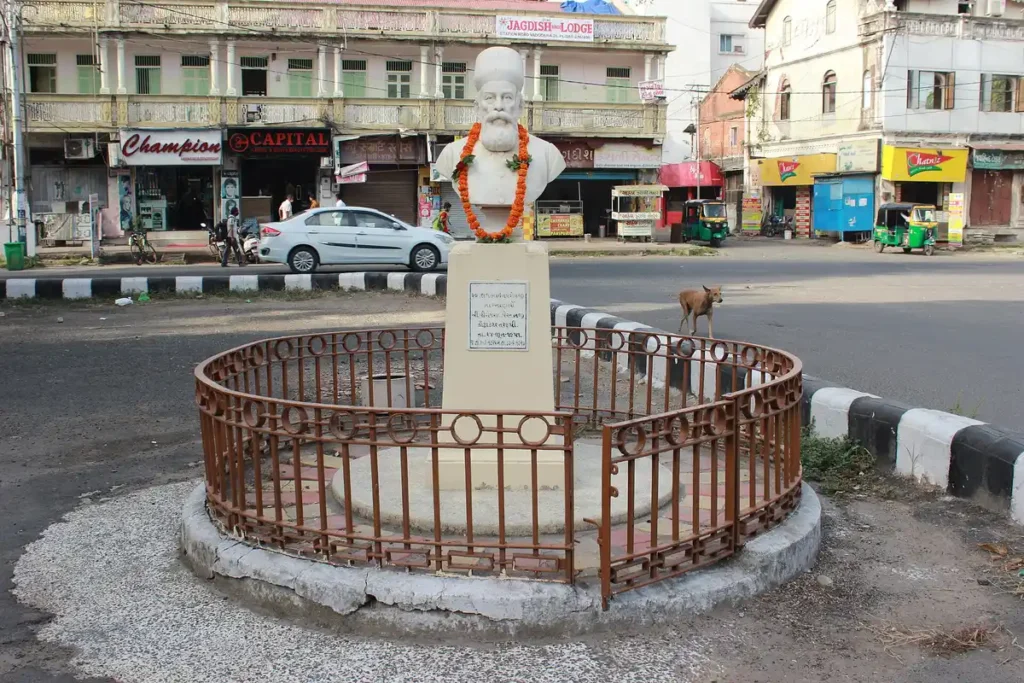
Image: Snehrashmi, Wikimedia Commons, CC BY-SA 4.0
How to use this in Mains
If asked: How did Dadabhai Naoroji's drain theory shape Indian nationalism? (GS-I)
Quote: “The drain theory turned a moral grievance into an argument.”
Use it: A perfect thesis line for your intro.
In the news
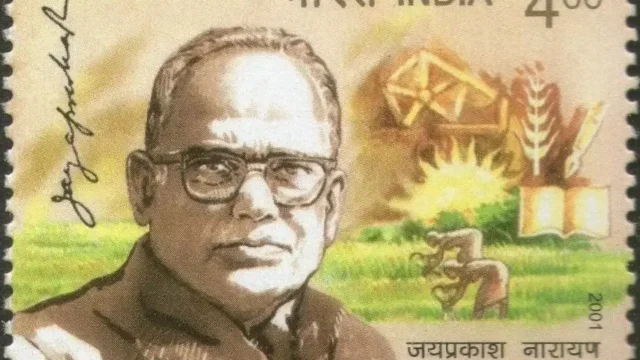
Birth anniversaries: Jayaprakash Narayan and Nanaji Deshmukh
11 October is the birth anniversary of Loknayak Jayaprakash Narayan and Nanaji Deshmukh, both Bharat Ratna awardees. The Prime Minister recalled JP's voice during the Emergency and his concern for good governance, and Nanaji's work in rural development and community participation. Treat this as a personality note for Prelims.
11 Oct 2026
ASI and Denmark museum to search for 1619 Danish shipwreck Oresund off Karaikal
The Archaeological Survey of India's Underwater Archaeology Wing and the National Museum of Denmark (Njord Centre, Copenhagen) signed an MoU to locate and document the Danish ship Oresund, wrecked off Karaikal, Puducherry, in 1619 CE. It is described as the first Danish ship known to have reached India.
15 Jun 2026
Veer Bal Diwas and the Rashtriya Bal Puraskar
The PM announced the day on 9 January 2022 and the first Veer Bal Diwas was held on 26 December 2022 [PMO].
26 Dec 2025
Stamp on Emperor Perumbidugu Mutharaiyar II
Questions on lesser-known regional dynasties are common in Prelims. Stamps and anniversaries often bring them into the news.
14 Dec 2025