
UP Interest Waiver Scheme-2026: up to 100% relief on old VAT and trade tax dues
Next story · 20 OctAllahabad HC stays murder conviction of man who wants to contest 2027 UP polls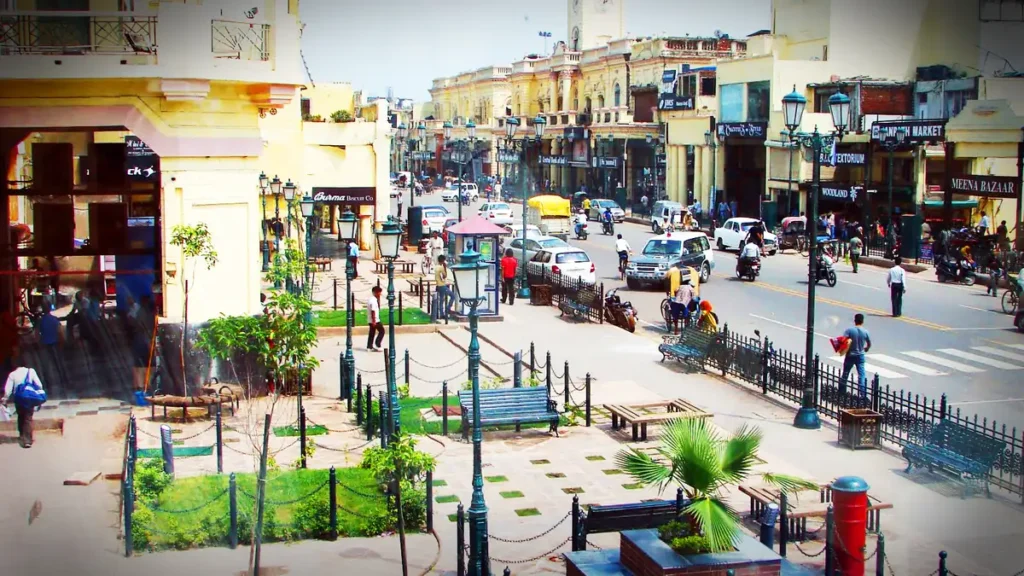
Uttar Pradesh has notified the Interest Waiver Scheme-2026 through a government order of 16 October. Traders with old dues under pre-GST tax laws such as UP VAT and UP Trade Tax can get 50% to 100% of the interest waived, depending on the size of the principal, and eligible penalties waived in full, if they pay the entire principal. The window is open for three months in all 75 districts.
- Order
- 16 Oct 2026
- Arrears
- Up to 31 Dec 2025
- Window
- Three months
- Interest relief
- 50%–100%
UP’s tax interest waiver: what happened?
Think of a trader in Kanpur who still carries a VAT demand from ten years ago. The interest on it may now be bigger than the tax itself. The new scheme tells him: pay the original tax, and most or all of that interest goes.
- Government order dated 16 Oct 2026; arrears up to 31 Dec 2025 are covered (HT, 20 Oct).
- Applies in all 75 districts for three months from the order.
- Both accepted and disputed demands qualify; pending court cases need withdrawal papers and affidavits.
- The penalty waiver covers only penalties for non-payment; other penalties are excluded.
What does the scheme cover?
- UP Sales Tax Act, 1948 and Central Sales Tax Act, 1956.
- UP Trade Tax Act, 1995 and UP Entry Tax Act, 2007.
- UP Value Added Tax Act, 2008, among other listed laws.
- These are mostly old, pre-GST demands still pending recovery.
How does relief compare across slabs?
| Principal due | Interest waived | Eligible penalty |
|---|---|---|
| Up to ₹10 lakh | 100% | Fully waived |
| ₹10 lakh–₹1 crore | 90% | Fully waived |
| ₹1 crore–₹5 crore | 75% | Fully waived |
| Above ₹5 crore | 50% | Fully waived |
Which constitutional and legal provisions apply?
- Article 265: no tax shall be levied or collected except by authority of law.
- State List Entry 54 (after the 101st Amendment): sales tax on petroleum products and alcoholic liquor stays with States.
- Central Sales Tax Act, 1956 rests on Union List Entry 92A; States collect it.
- Article 246A gives both Union and States power to levy GST from 2017.
How does a trader use the scheme?
From old demand to closure
- Check dues up to 31 Dec 2025
- Withdraw pending cases, if any
- Deposit the entire principal
- Interest waived as per slab
- Eligible penalties fully waived
Why does this matter?
| Angle | What to note |
|---|---|
| State revenue | Unlocks money stuck in old arrears. |
| Litigation | Cuts tax cases pending in courts. |
| Ease of business | Closes legacy disputes for traders. |
| Fiscal policy | Amnesty schemes trade interest for quick cash. |
What are the challenges?
- Repeated amnesties can reward late payers over honest taxpayers.
- Old records may be incomplete, causing disputes over principal.
- Large defaulters get only 50% interest relief and may stay away.
- Three months is a short window for small traders to arrange cash.
What should be done next?
- Run awareness camps and an online application system.
- Publish district-wise collections after the window closes.
- Use the clean-up to close legacy pre-GST files for good.
- Avoid frequent repeats so compliance is not weakened.
What can UPPCS ask on the scheme?
- Name: Interest Waiver Scheme-2026; GO dated 16 Oct 2026.
- Arrears covered: up to 31 Dec 2025.
- Slabs: 100%, 90%, 75% and 50% interest relief.
- Laws: UP VAT 2008, UP Trade Tax 1995, UP Entry Tax 2007, CST 1956.
- Condition: full principal must be deposited.
How to write about tax amnesty in Mains
Practice question (10 marks, 150 words): Evaluate the role of tax amnesty schemes in improving Uttar Pradesh’s revenue and reducing litigation. (UPPCS GS-VI)
- Intro: Interest Waiver Scheme-2026; GO of 16 Oct.
- Design: slab-wise relief, full penalty waiver, three months.
- Gains: revenue, fewer court cases, trader goodwill.
- Risks: moral hazard, record gaps, short window.
- Conclusion: one-time clean-up, stronger compliance.
Image: Hazratganj market, Lucknow. Mohitextreme, Wikimedia Commons, CC BY-SA 4.0
Read all of October 2026 in the monthly UP current affairs compilation →
How to use this in Mains
If asked: Discuss measures taken by Uttar Pradesh to improve its own tax revenue. (UPPCS GS-VI)
Quote: “Both accepted and disputed tax demands are eligible for relief.”
Use it: Use it to show the scheme aims at litigation too, not just collection.
If asked: Are tax amnesty schemes good fiscal policy? Discuss. (UPPCS GS-VI)
Quote: “The government order clarifies that the penalty waiver applies only to penalties imposed for non-payment of outstanding dues.”
Use it: Quote it to show the relief is targeted; then weigh revenue gains against moral hazard.
Exam angle
UPPCS GS-VI: UP’s tax administration and revenue; Prelims: scheme slabs, dates and laws covered.
Practice MCQs
Original practice questions (not PYQs).
Under UP’s Interest Waiver Scheme-2026, what interest relief is given on principal dues between ₹1 crore and ₹5 crore?
Answer (c) & explanation
Relief is 100% up to ₹10 lakh, 90% up to ₹1 crore, 75% up to ₹5 crore and 50% above that.
Consider the following statements about the scheme:
1. It covers arrears up to 31 December 2025.
2. Only accepted (undisputed) demands are eligible.
3. It is open for three months.
How many of the statements given above are correct?
Answer (b) & explanation
Statements 1 and 3 are correct. Both accepted and disputed demands are eligible.
Which constitutional provision says that no tax shall be levied or collected except by authority of law?
Answer (b) & explanation
Article 265 requires the authority of law for every tax.
Questions students ask about this
What is the Interest Waiver Scheme-2026?
A UP scheme that waives interest and penalties on old tax dues if the full principal is paid.
Which taxes are covered?
Old dues under laws such as UP VAT, UP Trade Tax, UP Entry Tax and CST.
How long is it open?
Three months from the government order of 16 October 2026.
Is GST covered?
The laws named in the order, as reported, are pre-GST laws such as VAT and trade tax.
Keep studying
Go deeper
facts from cited sources only; cross-checked; faculty review pending