
NGT takes suo motu note of chromium-poisoned groundwater in Kanpur and Fatehpur
Next story · 16 OctPadak Lao, Pad Pao: direct recruitment of medal-winning sportspersons in UP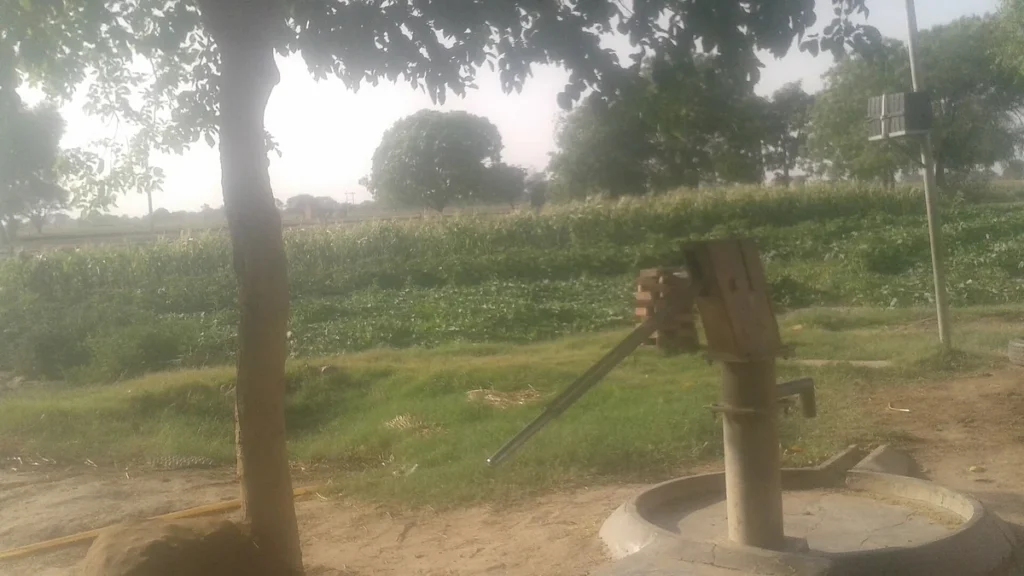
UPSC has already asked about this. Read the story with these questions in mind.
The National Green Tribunal (NGT) has taken suo motu cognisance of a report in The Hindu on hexavalent chromium in the groundwater of Kanpur Nagar, Kanpur Dehat and Fatehpur, the paper reported on 16 October 2026. In an order dated 5 October, the NGT issued notices to 14 authorities, including UP’s Chief Secretary, the National Mission for Clean Ganga and AIIMS New Delhi, and said the report raised ‘substantial issues’ of compliance with environmental norms.
- Districts
- Kanpur Nagar, Kanpur Dehat, Fatehpur
- Notices
- 14 authorities
- Order dated
- 5 Oct 2026
- Rania dump
- 62,225 tonnes
Chromium in UP’s groundwater: what happened?
In some villages near Kanpur, the water from hand pumps comes out bright yellow. That colour is a warning sign of chromium (VI), a toxic chemical left behind by decades of industrial dumping. The NGT has now stepped in on its own.
- The NGT acted on The Hindu’s report ‘Groundwater that glows yellow-green’ (August 2026).
- The respondents must file affidavits at least a week before the next hearing.
- The report found that areas such as Chhiwali village in Fatehpur are not on the official affected list.
- A 2025 government blood-test report found 73–96% of people tested in affected areas had above-permissible chromium (VI) levels.
Where did the chromium come from?
- Kanpur has had tanneries since the 19th century; local factories make chromium sulphate for tanning leather.
- The largest dump, at Rania in Kanpur Dehat, began around 1976 and held 62,225 tonnes of waste. It was removed only about a year ago.
- UPPCB shut six polluting units in Kanpur Dehat in 2005; the NGT ordered dumps removed in 2017.
- IIT Kanpur, led by Manoj Kumar Tiwari, is now mapping the affected areas.
Why is chromium (VI) so harmful?
| Point | Detail |
|---|---|
| Form | Hexavalent chromium, bright yellow-green and highly reactive |
| Health effects | Stomach ulcers, cancers, kidney and liver damage (NGT report) |
| Cancer risk | IARC classes it as a carcinogen when inhaled |
| Recovery | Aquifers may take tens to hundreds of years to clean up naturally |
Which laws apply?
- National Green Tribunal Act, 2010; the Supreme Court upheld the NGT’s suo motu powers in 2021 (Ankita Sinha case).
- Water (Prevention and Control of Pollution) Act, 1974 and the Hazardous and Other Wastes Rules, 2016.
- Polluter Pays Principle: Indian Council for Enviro-Legal Action v. Union of India (1996).
- BIS IS 10500 sets a limit of 0.05 mg/l for total chromium in drinking water.
What are the gaps?
- Action usually follows NGT orders rather than coming first, as the amicus curiae Katyayni noted.
- There are no heavy-metal testing facilities in the three districts.
- Piped water supply is patchy, so people go back to hand pumps.
- Unnao also shows contamination in studies but is not part of the case.
What should be done next?
- Finish mapping quickly and update the affected list.
- Give free walk-in blood tests and treatment in the districts.
- Make polluters pay for clean-up under the polluter pays principle.
- Seal contaminated hand pumps only after a reliable piped supply is in place.
What can Prelims ask?
- Chromium (VI) is linked to tanning, electroplating and chromium sulphate making.
- IS 10500: drinking water standard; total chromium limit 0.05 mg/l.
- NGT: set up under the NGT Act, 2010; principal bench in New Delhi.
- Polluter Pays: 1996 Supreme Court case (Bichhri, Rajasthan).
How to write about industrial pollution in UP in Mains
Practice question (10 marks, 150 words): Legacy industrial pollution is a growing threat to groundwater in Uttar Pradesh. Discuss with reference to chromium contamination. (UPPCS GS-VI)
- Intro: NGT suo motu notice, Oct 2026.
- Source: tannery waste, Rania dump, illegal dumping.
- Impact: health, water, livelihoods.
- Gaps: slow action, testing, supply.
- Conclusion: map, treat, test, make polluters pay.
Image: A village hand pump in Uttar Pradesh (representative image). Bhaveshkumar855, Wikimedia Commons, CC BY-SA 4.0
Read all of October 2026 in the monthly UP current affairs compilation →
How to use this in Mains
If asked: Examine the role of the NGT in environmental protection. (UPPCS GS-VI)
Quote: “Issue notice to the above respondents for filing their response by way of affidavit before the Tribunal at least one week before the next date of hearing.”
Use it: Quote the order, then show how media reports trigger NGT action.
If asked: Why is cleaning up groundwater pollution so difficult? (UPPCS GS-VI)
Quote: “The first step is to identify and isolate the contaminated areas.”
Use it: Quote the IIT Kanpur expert, then explain cost and time.
Exam angle
UPPCS GS-VI: water pollution in UP; Prelims: NGT, IS 10500, polluter pays.
Practice MCQs
Original practice questions (not PYQs).
Hexavalent chromium contamination of groundwater around Kanpur is mainly linked to
Answer (b) & explanation
Factories in the area make chromium sulphate used in leather tanning.
The Polluter Pays Principle was applied by the Supreme Court in
Answer (b) & explanation
In the 1996 Bichhri case, the Court held polluters liable to pay for remediation.
Consider the following statements:
1. The NGT was set up under the National Green Tribunal Act, 2010.
2. The Supreme Court has upheld the NGT’s power to act suo motu.
Which of the statements given above is/are correct?
Answer (c) & explanation
Both are correct; the Supreme Court upheld the suo motu power in 2021.
Questions students ask about this
What did the NGT do?
It took suo motu cognisance of chromium contamination in three UP districts and issued notices to 14 authorities.
Which districts are affected?
Kanpur Nagar, Kanpur Dehat and Fatehpur.
Where did the chromium come from?
Industrial waste dumping linked to chromium sulphate production for tanneries.
Why is chromium (VI) dangerous?
It can cause ulcers, cancers and kidney and liver damage.
Keep studying
Go deeper
facts from cited sources only; cross-checked; faculty review pending